



Britain's Youth Wage Crisis: Navigating Policy and Workforce Dynamics
Youth unemployment in Britain has surged to a ten-year high amidst policy changes to minimum wage structures. This increase poses challenges for the current government, reflecting broader economic pressures and changes in low-paid job postings. Business groups and economists raise concerns over the impact on young workers.
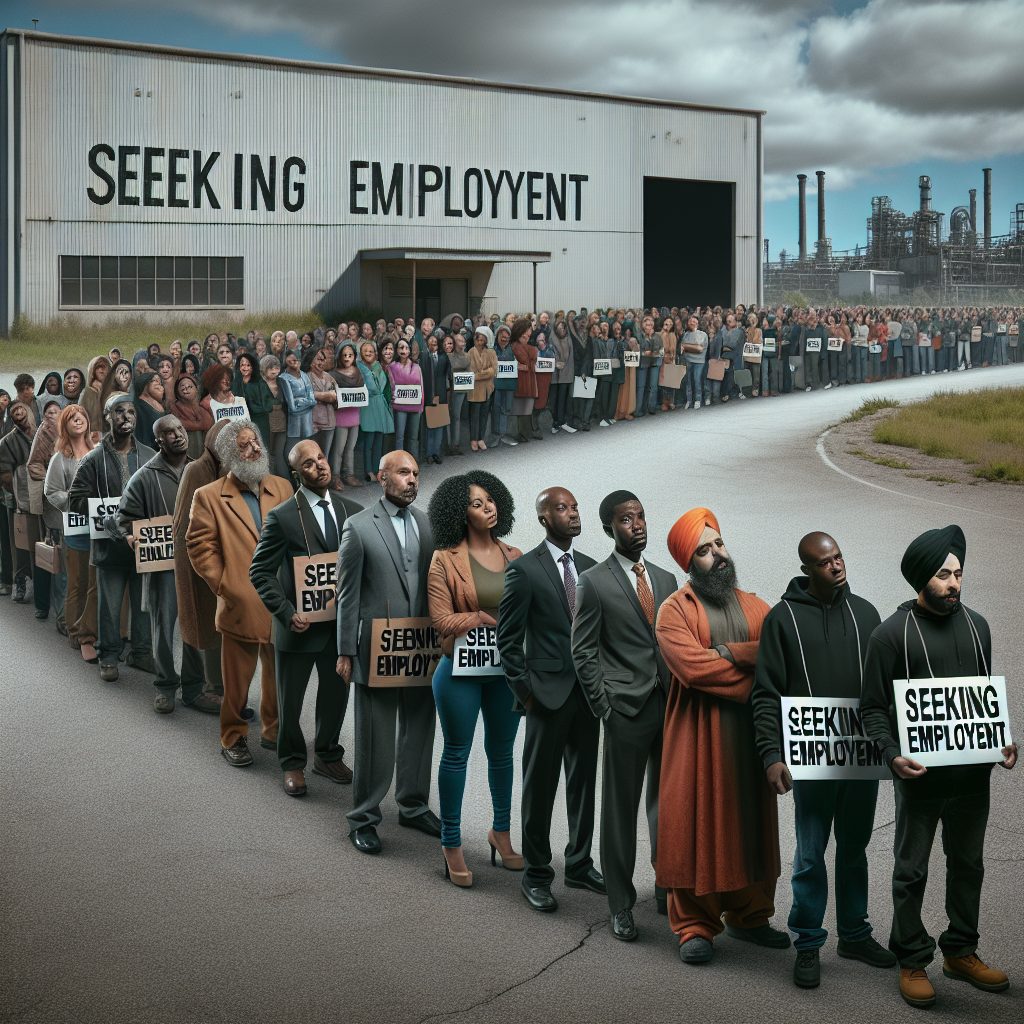
Youth unemployment in Britain has reached a decade-high, challenging the centre-left government's strategy to phase out lower minimum wages for younger workers. Official data reveals the jobless rate for 16-24-year-olds rose to 16.1% in late 2025, surpassing eurozone levels and driven by policy changes and economic factors.
Experts argue that a sharp rise in minimum wage and increased employer social security charges have compounded these issues. Vacancies for low-paying roles have decreased markedly compared to higher-wage positions, illustrating the policy's impact. The IT sector has also been notably affected, with job losses exceeding average rates.
Despite prior stability in employment following the 1999 minimum wage introduction, the current government's goal to raise wages could exacerbate the job market's fragility. Youth today face a difficult job-seeking landscape, complicated by fluctuating wage policies and a competitive job environment.
ALSO READ
-
Prince Andrew's Arrest Stuns Britain Amid Epstein Allegations
-
Court Suspends Colombia's Minimum Wage Increase Decree
-
High Court Rules Britain's Ban on Palestine Action Unlawful
-
Ndabeni Pushes Reindustrialisation to Tackle Youth Unemployment
-
Antisemitic Incidents Spike in Britain Amid Rising Global Tensions








 Google News