



Impact of Iran War on Global Oil Demand: A Double-Edged Sword
The Iran war's closure of the Strait of Hormuz has sharply decreased global oil supplies, causing major demand destruction worldwide, but it may also prompt long-term shifts towards renewable energy sources and increased domestic production. These changes could either reduce or enhance global energy consumption.
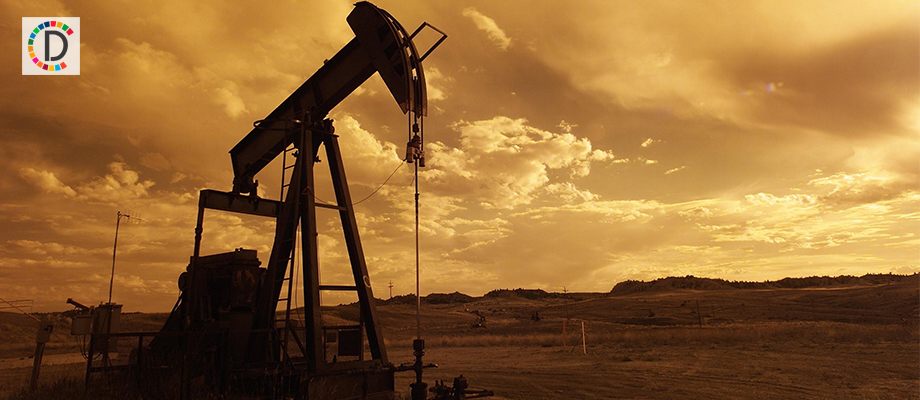
The Iran war has significantly impacted the global oil market following the closure of the Strait of Hormuz. With a reduction of global crude supplies by 13 million barrels per day, demand is experiencing a considerable disruption, leading to the largest monthly collapse since the COVID-19 pandemic in 2021.
The conflict has spurred governments to adopt emergency energy-saving measures, affecting transportation and industrial sectors. The situation is not restricted to Asia as European markets also struggle with diminishing supplies from the Middle East, which typically satisfies a large portion of their crude and jet fuel demand.
Looking to the future, the war might accelerate the transition to renewable energy, including electric vehicles and biofuels, while also pushing nations to bolster domestic energy production. As countries focus more on energy security, global energy demand could rise due to increased reliance on technology and higher defense spending.
ALSO READ
-
Norway Urged to Support Iran War Victims with Wealth Fund
-
Pentagon's Tough Talk: U.S. Reconsiders NATO Ties Over Iran War Dispute
-
Pentagon Weighs NATO Sanctions Amid Iran War Tensions
-
Higher fuel costs due to Iran war mean fewer people will receive aid globally, NRC says
-
Global Economy Strains as Iran War Triggers Energy Shock








 Google News