



Shifting Sands: Navigating the 2026 U.S. Corn Maze
U.S. corn farmers are set for a challenging 2026 season despite high planting projections. Rising input costs, geopolitical tensions, and weather patterns like El Nino are influencing production expectations. While last year's yield set records, this year's output may be hindered by economic volatility and market uncertainties.
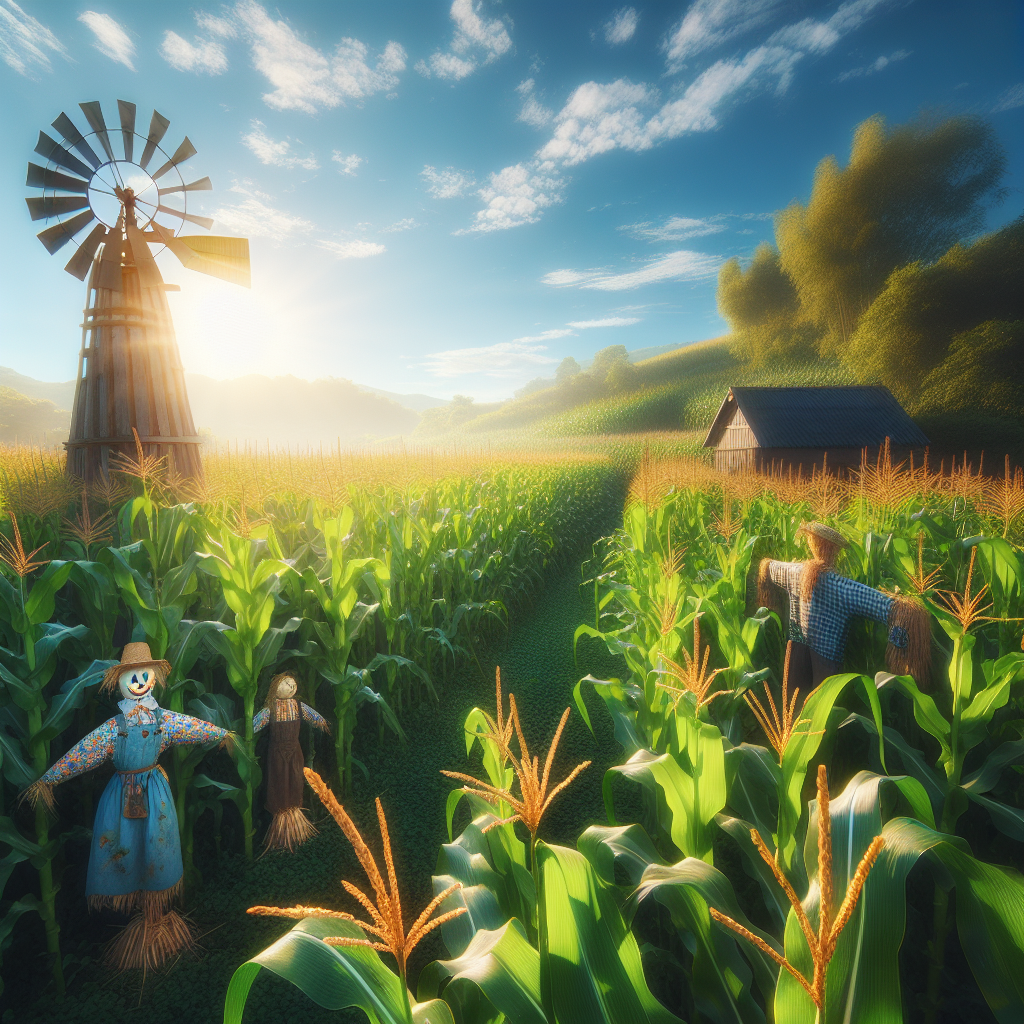
Amidst the early planting of the 2026 corn crop, U.S. farmers face an uphill battle to meet last year’s record-breaking yields. Despite a promising start, geopolitical issues and fluctuating input costs threaten to derail projections.
The USDA reports a surprising increase in planned corn acres, yet market dynamics, fueled by international trade pressures and rising fertilizer costs due to the U.S.-Israeli war and the Strait of Hormuz's closure, may dampen farmer optimism. The return on less resource-intensive soybeans is becoming increasingly appealing.
Weather conditions remain a wild card, while shifts in market sentiment add to uncertainty. At mid-year, economic volatility and global market shifts could alter the trajectory of U.S. corn production, highlighting the sector's vulnerability in a complex global landscape.








 Google News