



U.S. Labor Market Shows Resilience Amid Geo-Political Tensions and Economic Challenges
U.S. unemployment claims dropped unexpectedly last week, hinting at labor market resilience despite increased tensions due to the U.S.-Israeli conflict with Iran. This geopolitical tension has also caused oil prices to spike, resulting in higher gasoline costs and an anticipated slowdown in consumer spending and business hiring.
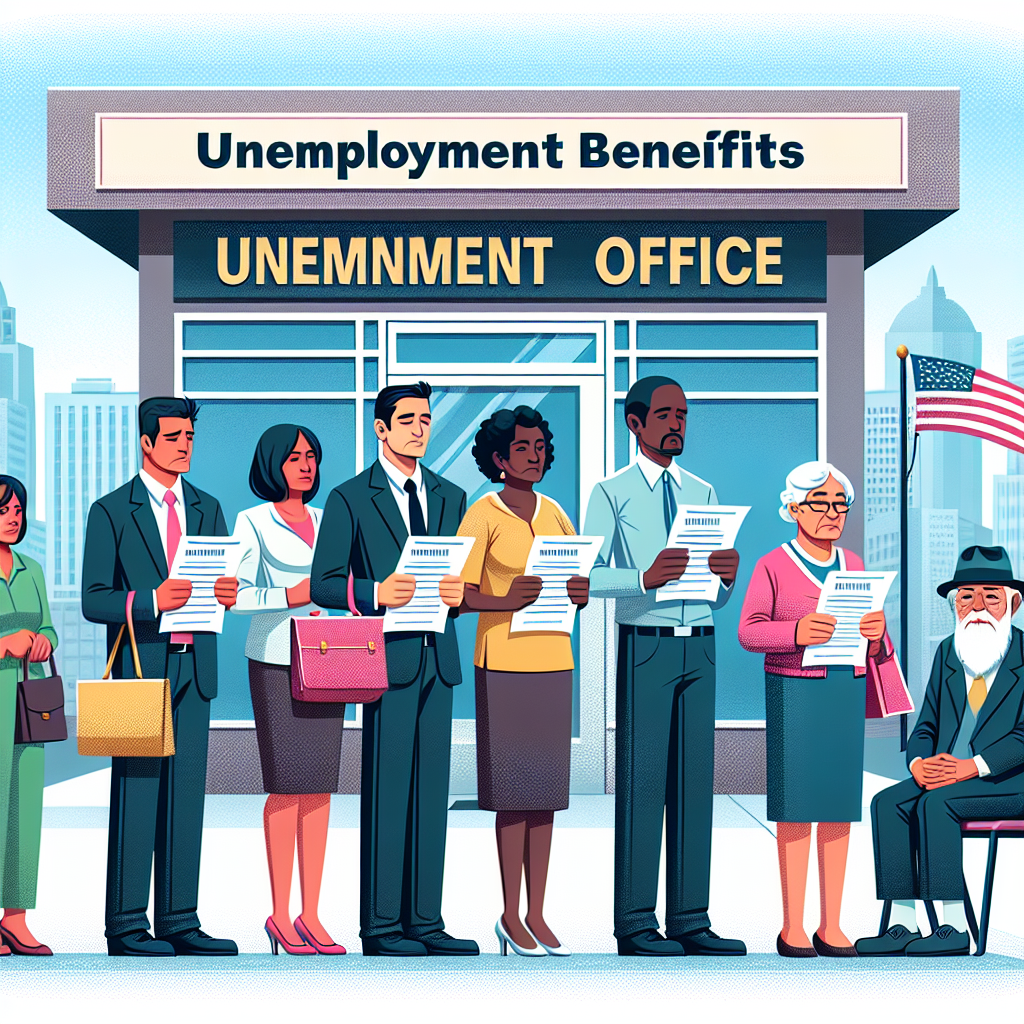
In an unexpected turn, new U.S. unemployment claims fell last week amidst ongoing geopolitical tensions. The reduction signals potentially stable labor market conditions, even as analysts express concern over long-term economic impacts caused by escalating Middle Eastern conflicts.
The geopolitical tensions have not only seen global oil prices soar by over 50%, leading to record gasoline costs, but have also injected further uncertainty into already fragile trading conditions. Market analysts have voiced concerns over the war's potential to restrain consumer spending and hiring by raising operational costs.
Despite this environment of uncertainty, unemployment claims dropped by 9,000 to a seasonally adjusted 202,000 for the period ending March 28, suggesting what some economists describe as a 'low-hire, low-fire' labor market. Presumably, the Trump administration's hard-line immigration policies continue to impact workforce dynamics, while fluctuating trade policies add to economic volatility.








 Google News