



Solar Pumps: A Game-Changer for Bangladesh's Farmers?
In Bangladesh, solar-powered irrigation pumps are being promoted as an economical alternative to diesel, despite slow adoption due to high upfront costs and other challenges. With fuel rationing due to global conflicts, solar’s appeal is growing. Experts suggest grid connections for excess solar electricity could enhance economic viability.
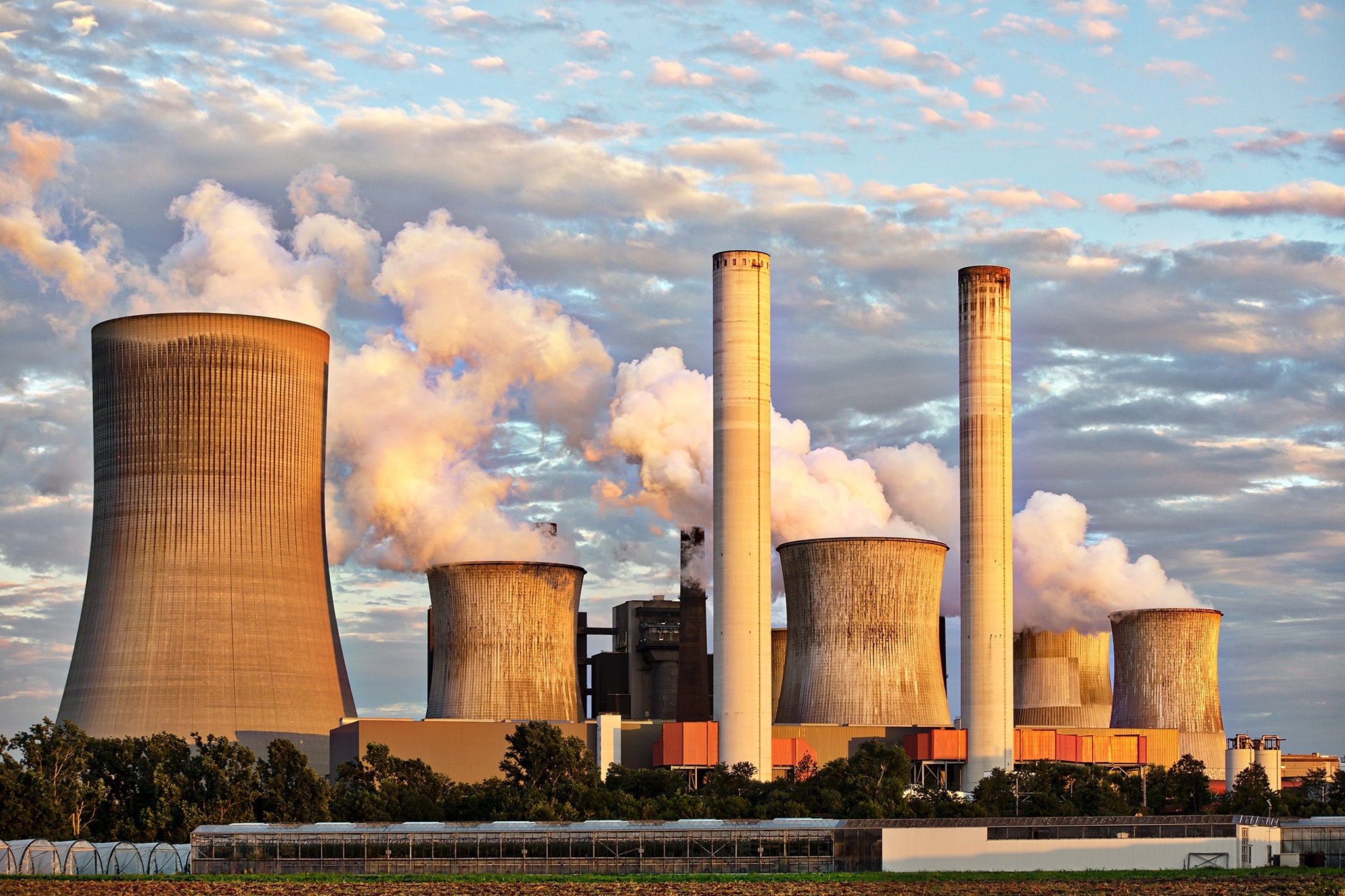
In Bangladesh's agricultural regions, solar-powered irrigation pumps are being spotlighted as a sustainable alternative to diesel-run systems. With rising fuel costs due to international conflicts, these eco-friendly solutions offer a respite for farmers facing expensive irrigation options.
While the technology shows promise, its adoption remains low. According to the Bangladesh Agricultural Development Corporation, a mere fraction of irrigation systems are solar-powered, hindered by high initial expenses and licensing obstacles. However, the current energy crisis is prompting reconsideration among stakeholders.
Experts argue that connecting more solar pumps to the grid could significantly improve their economic viability. This approach allows for the sale of surplus electricity, potentially reducing reliance on fossil fuels and supporting national energy goals under the Paris Agreement. Despite potential groundwater risks, managed extraction can ensure sustainable usage.
ALSO READ
-
Epic Showdown: India's Clash with Bangladesh in SAFF U20 Final
-
Bridge to Progress: Mizoram's Connection to Bangladesh
-
Controversy Deepens: British Law Firm Challenges Sheikh Hasina's Conviction by Bangladesh Tribunal
-
Breaking the Strait Standoff: Iran Secures Passage for Bangladesh’s Fuel Lifeline
-
Fuel Crisis Intensifies in Bangladesh Amid West Asia Conflict








 Google News