



Euro Zone Manufacturers Face Cost Surge Amid Middle Eastern Conflict
Euro zone manufacturers encountered heightened input costs and disrupted supply chains in March due to the Iran conflict, straining recovery efforts. Rising oil and energy prices led to increased selling prices, while manufacturing activity grew modestly, hampered by stagnant demand and job cuts despite some production gains.
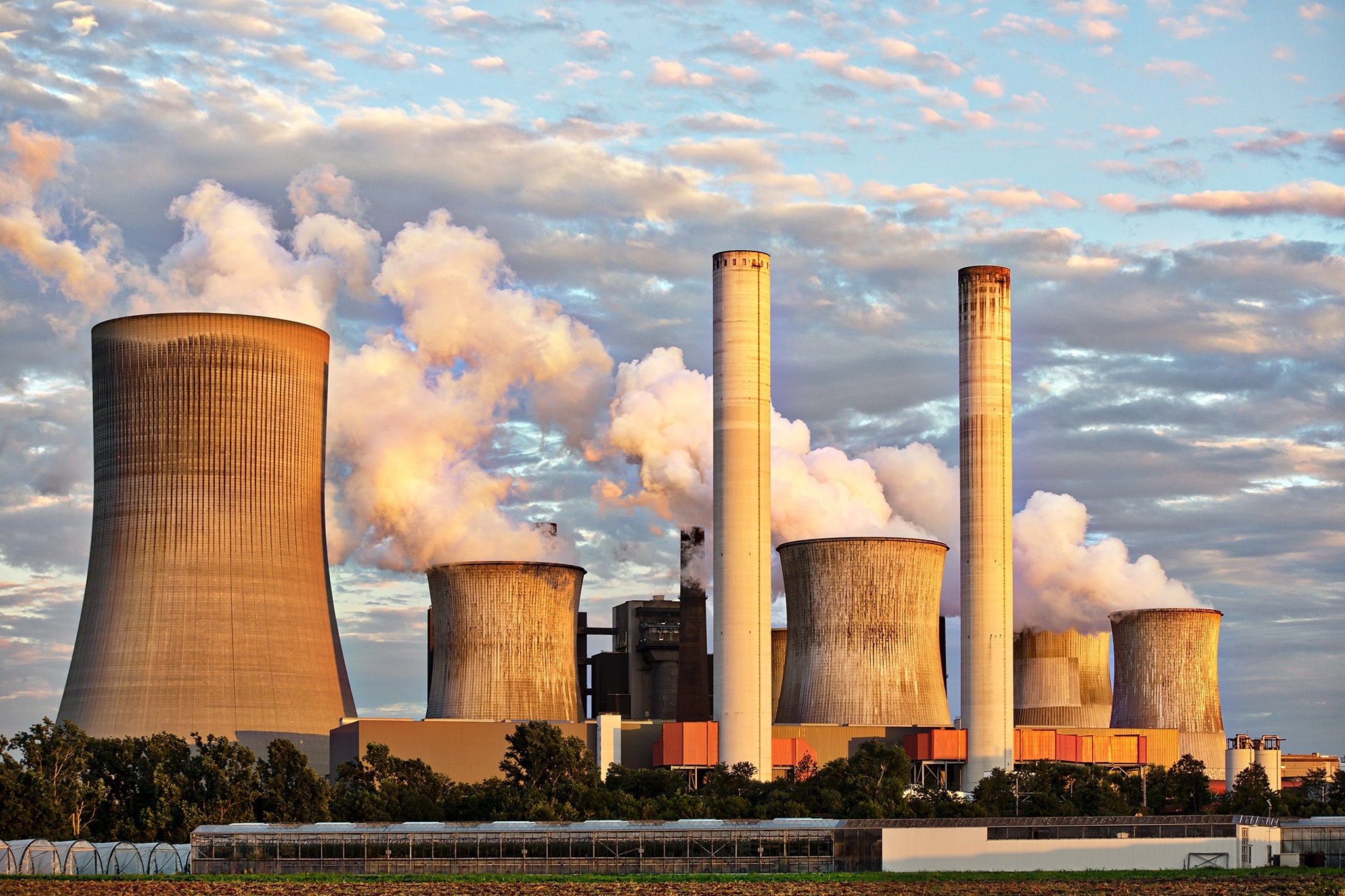
Amid rising input costs and supply chain disruptions caused by the ongoing conflict in the Middle East, euro zone manufacturers faced significant challenges in March, according to a new survey.
The turmoil has impacted global logistics, elevating input price inflation to its highest levels since October 2022 and distorting growth measures. Increased oil and energy prices forced manufacturers to raise selling prices at a rate not seen in over three years.
This situation parallels the supply shocks experienced during the pandemic, inflating the Manufacturing Purchasing Managers' Index falsely. Despite modest activity growth and a slight production increase, stagnant demand and job cuts dampened business confidence across the region.
ALSO READ
-
Euro Zone Bond Yields Dip Amid Hopes of Reduced Tensions with Iran
-
Euro Zone Manufacturing Faces Turmoil Amid Middle East Conflict
-
Euro Zone Bond Yields Dip Amid Trump's Iran War Remarks
-
Euro Zone Bond Yields Steady Amid Iran Conflict
-
Euro Zone Bond Yields Steady Amid Inflation and Conflict Concerns








 Google News