



FTSE Surge Amidst Middle East Turmoil and Rate Decisions
London's FTSE 100 rose significantly, driven by energy and financial sectors, despite ongoing Middle Eastern conflict. Anticipation of interest rate decisions by the Bank of England and other central banks added to market dynamics. Energy stocks hit record highs, while borrowing costs slightly dipped ahead of potential rate changes.
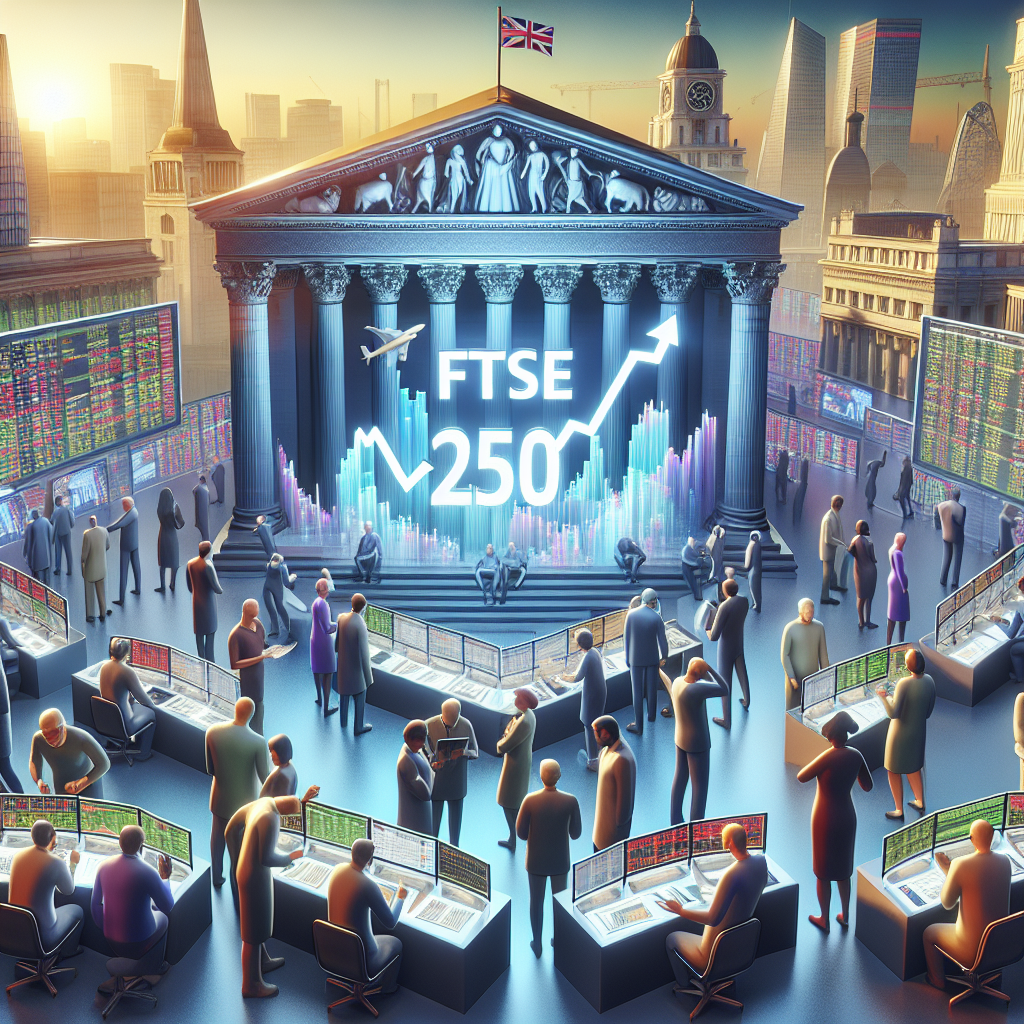
The FTSE 100 index in London saw a notable increase on Tuesday, largely bolstered by gains in the energy and financial sectors. This rise comes even as the conflict in the Middle East continues, with investors eagerly awaiting the Bank of England's upcoming interest rate decision.
Despite ongoing geopolitical tensions, the benchmark FTSE 100 saw an increase of 0.83%, representing its most significant single-day rise in a week, while the FTSE 250 mid-cap index advanced by 0.72%, breaking a four-day losing streak. As tensions escalated with Israel claiming the killing of Iran's security chief, oil prices surged due to the unresolved conflict and the restricted access through the Strait of Hormuz, driving the energy sector to record a 1.82% spike with major players like BP and Shell pushing upwards by nearly 2% each.
Attention this week is focused on interest rate decisions across major economies, with the UK, US, and European central banks in the spotlight. While British borrowing costs fell for a second consecutive day, forecasts are mixed on interest rate path. Most economists no longer expect a rate cut in March, with cuts posited for April or June. Notably, J.P. Morgan predicts the Bank of England will hold rates steady through 2026. In market movements, Close Brothers' shares fell after announcing job cuts, while Trustpilot surged following a profit quadrupling announcement.
ALSO READ
-
FTSE 100 Climbs Amid Middle East Tensions as Investors Eye Interest Rates
-
Drone Attacks Disrupt UAE's Energy Sector and Oil Operations
-
FTSE 100 Rises Amid Falling Oil Prices and Rate Decision Anticipation
-
FTSE 100 Steady Amid Energy Gains and Global Tensions
-
Loosening the Leash: U.S. Sanctions on Venezuela's Energy Sector








 Google News