



EU Energy Price Crisis: The Search for Solutions Amidst Global Turmoil
The European Union debates emergency measures to tackle soaring energy prices driven by geopolitical tensions. The reliance on imported energy complicates quick solutions, prompting talks of state aid and tax reforms. Despite secure supplies, the EU faces challenges in balancing interventions and maintaining market stability.
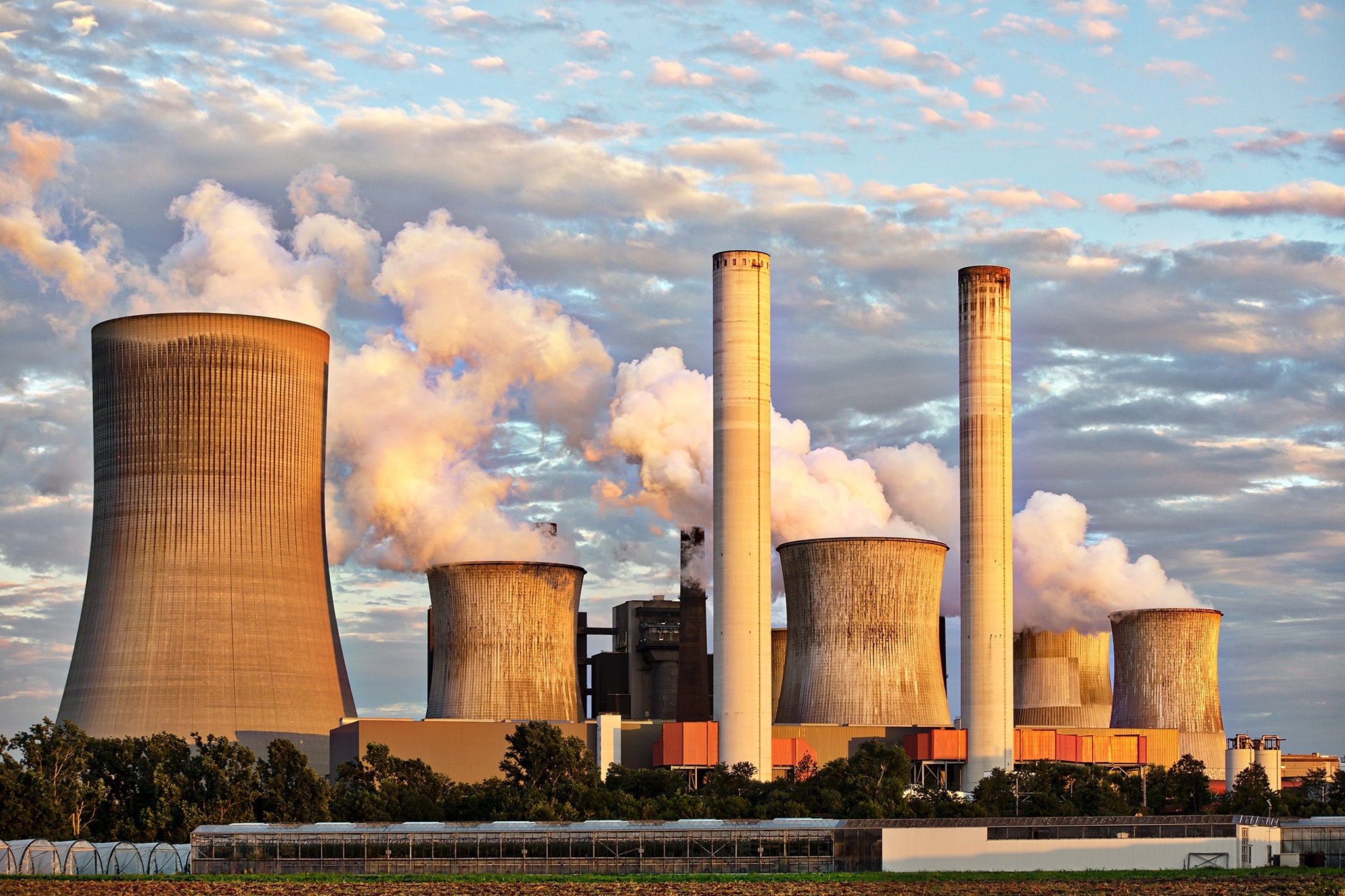
European Union energy ministers convened on Monday to address the pressing challenge of skyrocketing energy prices, a direct fallout of the U.S.-Israeli conflict with Iran. The EU's reliance on imported oil and gas exposes it to volatile global price movements, making immediate remedies elusive.
The European Commission is reportedly drafting emergency strategies, exploring state aids, tax reductions, and potential adjustments to the EU carbon market to buffer the impact. Despite assured oil and gas supplies from non-Middle Eastern sources like the U.S. and Norway, EU officials are considering additional measures such as gas price caps, though concerns exist about securing supplies under such caps.
Countries within the EU diverge on approaches. While some, like Italy, push for substantial interventions, others like Poland caution against abrupt market shifts that might disrupt financial stability. As the EU prepares for upcoming summit discussions, the balance between national and bloc-wide strategies remains a focal point.
ALSO READ
-
US Shifts Stance: From Pressuring India to Encouraging Russian Oil Imports
-
Emergency Measures for Indians in Iran Amidst Regional Crisis
-
Rising Costs and Global Tensions Impact India's Sunflower Oil Imports
-
Congress Criticizes India's Temporary Waiver on Russian Oil Imports
-
Soaring Freight Rates Disrupt India's Edible Oil Imports Amidst Middle East Tensions








 Google News