



Rethinking GST Impact on Ride-Hailing Services: A Call for Change
The Internet and Mobile Association of India (IAMAI) urges the government to revisit GST's applicability on ride-hailing services. The association highlights that the 5% GST adversely impacts driver income and consumer affordability. IAMAI advocates for a revised GST framework to alleviate burdens on the technology-driven mobility sector.
- Country:
- India
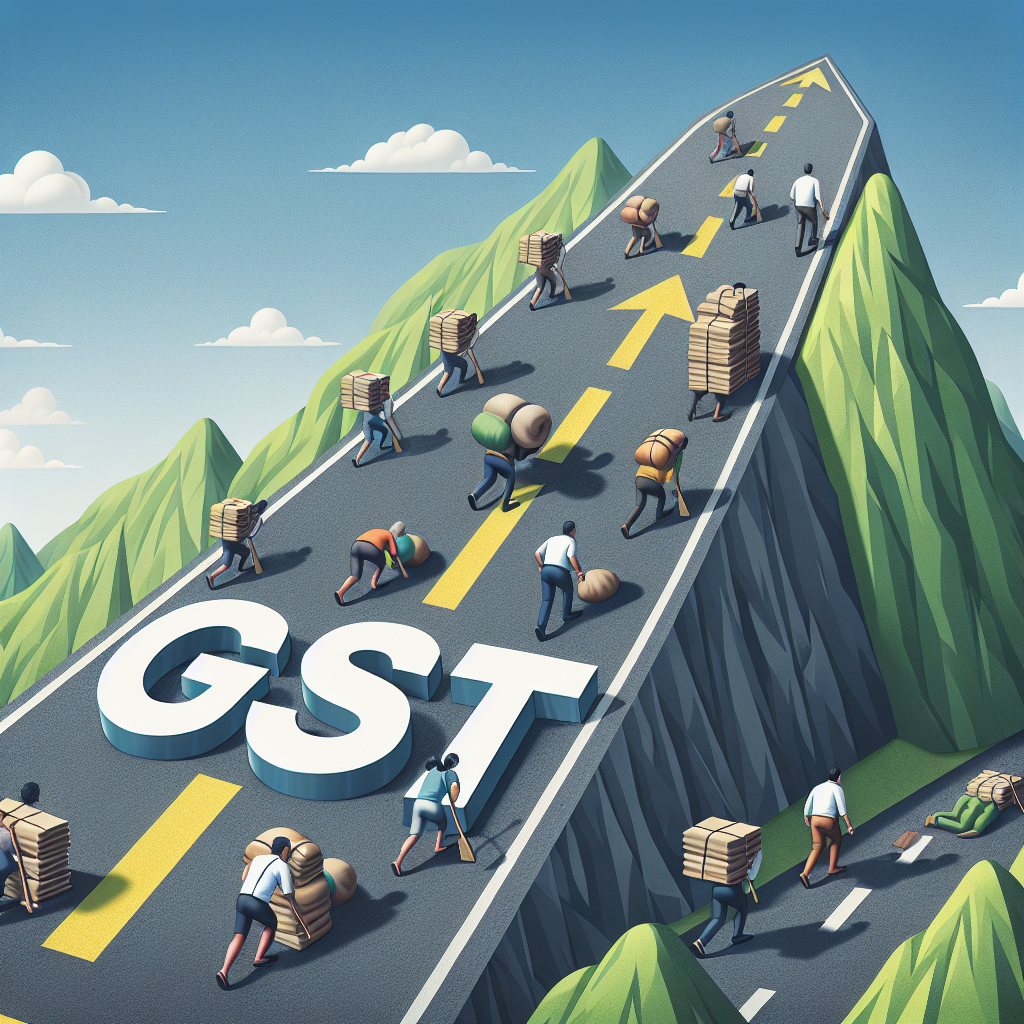
The Internet and Mobile Association of India (IAMAI) has called upon the government to reassess the imposition of Goods and Services Tax (GST) on rides booked through online platforms. In a recent letter to the Finance Ministry, IAMAI emphasized the detrimental effect of the 5% GST rate on driver income and service affordability.
IAMAI, representing major platforms like Rapido, Uber, and Ola, pointed out that the current GST structure not only affects private aggregators but also impacts government-supported digital mobility services such as Bharat Taxi. The association argues that this tax burden is passed on to drivers and consumers, countering efforts towards technology-led inclusion and affordable access to essential services.
Moreover, IAMAI noted the confusion caused by contradictory state rulings on GST applicability for software-as-a-service (SaaS) models. The organization seeks a dialogue with the GST Council and the Finance Ministry to propose exemptions for SaaS-based mobility services, aiming for a more sustainable economic model for the ride-hailing industry.
ALSO READ
-
Drivers Rally for Fair Fare: Gig Workers Strike Against Ride-Hailing Giants
-
Crackdown on Ride-Hailing Platform: Rapido Motorbikes Seized
-
Bharat Taxi Revolutionizes India's Ride-Hailing Industry with Cooperative Model
-
Revamping E-Way Bill System: A New Era for GST Logistics
-
Bharat Taxi: India’s First Cooperative Ride-Hailing Platform Debuts








 Google News