



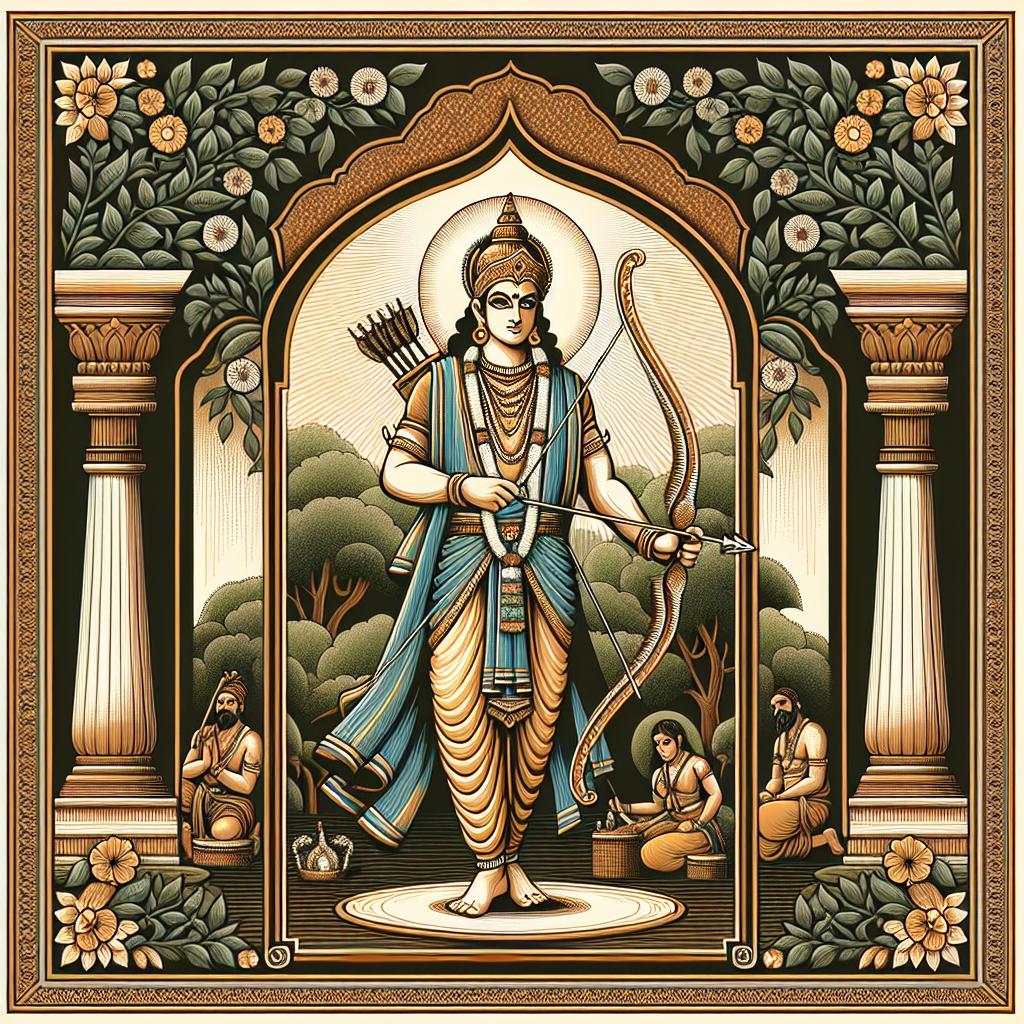
Lord Ram: Eternal King and Symbol of India's Cultural Unity
Uttar Pradesh Chief Minister Yogi Adityanath emphasized the spiritual and cultural significance of Lord Ram for India's unity, during a speech in Mathura-Vrindavan. He highlighted the historical role of saints like Malook Das and Tulsidas in preserving Sanatan Dharma and announced initiatives for reviving ancient heritage sites.
- Country:
- India
During a commemorative event in Mathura-Vrindavan, Uttar Pradesh Chief Minister Yogi Adityanath declared Lord Ram as the eternal king and a symbol of India's longstanding spiritual and cultural identity.
Adityanath recounted the historical threats to Sanatan Dharma during foreign invasions, highlighting saints like Malook Das as pivotal figures in cultural preservation. He also spoke about Tulsidas's defiance of Mughal rulers, emphasizing the ongoing influence of Vaishnav traditions and regional saints in fostering spiritual awareness.
Speaking on heritage conservation, Adityanath cited investments in regional pilgrimage sites and described newer initiatives to revive lost cultural landmarks. He linked these efforts to India's broader civilizational ethos, arguing for heritage preservation as integral to meaningful development, thus ensuring a united future for Sanatan Dharma.
ALSO READ
-
Ranbir Kapoor's Captivating Transformation as Lord Ram in Nitesh Tiwari's 'Ramayana'
-
Lord Ram: Eternal Sovereign of India's Cultural Soul
-
Reviving True Heroes: Yogi Adityanath's Call for Cultural Renaissance
-
Revamping Education: Yogi Adityanath's Mission for a Literate Uttar Pradesh
-
CM Yogi Adityanath's Varanasi Visit: Prayers, Public Grievances, and Green Initiatives








 Google News