



Global Aviation Industry Turbulence Amid Soaring Jet Fuel Costs
Worldwide jet fuel prices have skyrocketed due to geopolitical tensions involving the U.S., Israel, and Iran. This hike is severely impacting the aviation sector, leading several airlines to increase ticket prices, impose surcharges, or revise financial forecasts. Each airline's response reflects the compounding challenges faced by the industry.
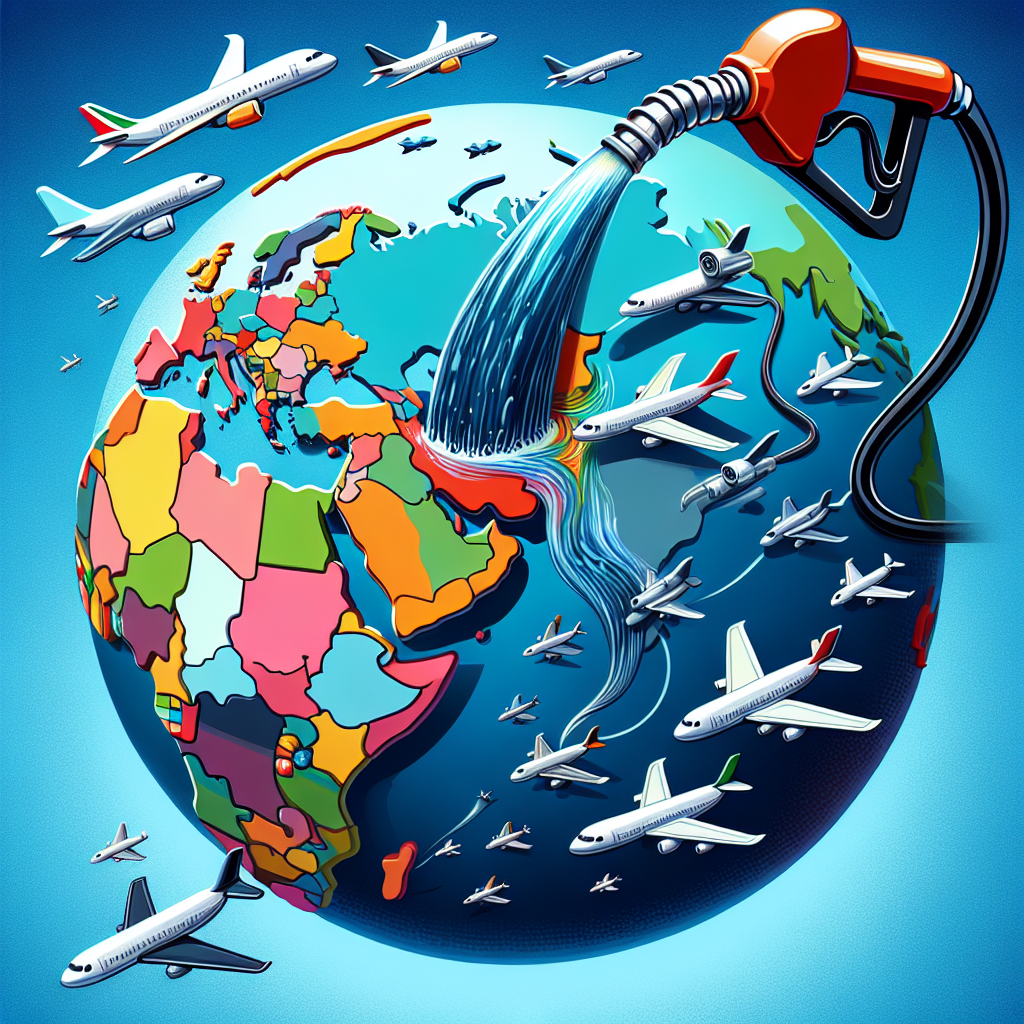
The aviation industry is reeling from unprecedented surges in jet fuel prices, attributed to the ongoing U.S.-Israeli conflict with Iran. This significant cost increase is compelling airlines globally to reassess their financial strategies and fare structures.
Fuel costs, which typically account for a sizable portion of airline expenses, have escalated dramatically from $85-$90 a barrel to as much as $200. In response, airlines like Air France-KLM and Air New Zealand have already announced measures such as raised ticket prices to counterbalance the financial strain.
While some airlines, such as IAG, have hedged against immediate impacts, others are forced to adjust quickly. From implementing surcharges, like Akasa Air, to requesting government support, as seen with Vietnam Airlines, the sector is under significant pressure to navigate this turbulent period.
ALSO READ
-
Tragedy in the Skies: Recent Aviation Disasters Unveiled
-
India to Lift Airfare Caps Amid Stabilizing Aviation Sector
-
Airfare Caps Lifted: Airlines Urged to Maintain Fair Pricing
-
Civil Aviation Ministry had imposed domestic airfare cap in the wake of IndiGo flight disruptions in December 2025.
-
Civil aviation ministry to remove temporary cap on domestic airfares from March 23: Order.








 Google News