



Leaders Renew Push for Visa-Free Africa to Unlock AfCFTA Gains
Former AU Commission Chairperson Nkosazana Dlamini-Zuma emphasised that free movement is central to the African Union’s long-term development blueprint, Agenda 2063.
- Country:
- Ethiopia
African policymakers, business executives and development institutions have intensified calls for visa-free travel across the continent, warning that restrictive border regimes are undermining the full economic potential of the African Continental Free Trade Area (AfCFTA).
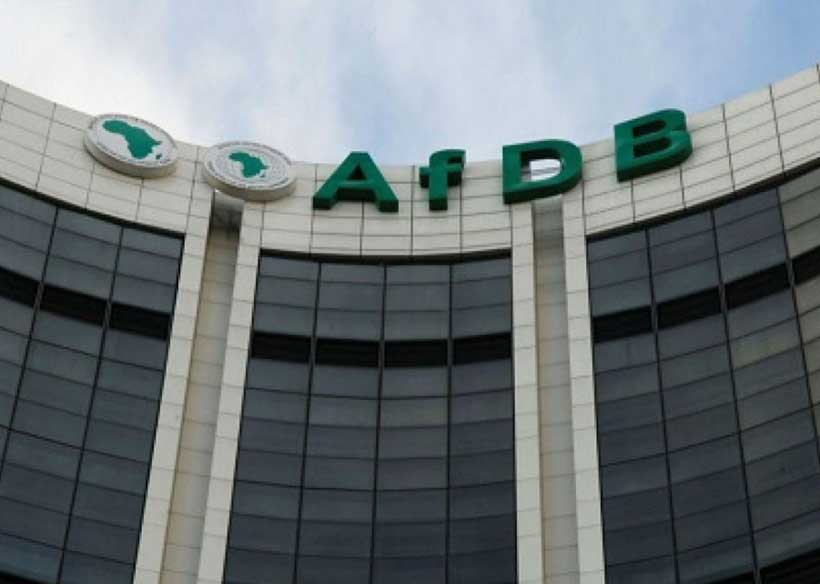
The appeal was reinforced at a High-Level Symposium on Advancing a Visa-Free Africa for Economic Prosperity, co-convened by the African Development Bank Group (AfDB) and the African Union Commission (AUC) on the sidelines of the 39th African Union Summit in Addis Ababa.
Mobility Seen as Missing Link in Integration
Speakers argued that while tariffs are being reduced under AfCFTA, visa barriers continue to impede:
-
Trade in services
-
Cross-border investment flows
-
Tourism growth
-
Labour mobility
-
Regional value chain development
Alex Mubiru, Director General for Eastern Africa at the AfDB, described visa liberalisation, interoperable digital systems and integrated markets as practical tools to translate policy commitments into real economic activity.
"The evidence is clear. The economics support openness. The human story demands it," Mubiru said, urging governments to pursue "transformative change" rather than incremental reforms.
Visa Openness Still Limited
Findings from the latest Africa Visa Openness Index were reviewed during the symposium, showing that more than half of intra-African travel still requires visas obtained before departure — a constraint participants described as a major drag on intra-continental commerce.
Amma A. Twum-Amoah, AU Commissioner for Health, Humanitarian Affairs and Social Development, called visa openness a strategic lever for strengthening regional markets and improving collective responses to economic and humanitarian crises.
Agenda 2063 and the African Passport
Former AU Commission Chairperson Nkosazana Dlamini-Zuma emphasised that free movement is central to the African Union's long-term development blueprint, Agenda 2063.
"If we accept that we are Africans, then we must be able to move freely across our continent," she said, encouraging faster ratification and implementation of the Free Movement of Persons Protocol and operationalisation of the proposed African Passport.
Aviation and Border Reform Go Hand in Hand
Mesfin Bekele, CEO of Ethiopian Airlines, stressed that aviation connectivity and visa liberalisation must advance together, calling for full implementation of the Single African Air Transport Market (SAATM) to enable seamless travel.
Regional leaders, including Southern African Development Community (SADC) Executive Secretary Elias Magosi, highlighted the importance of trust-building measures such as:
-
Modernised border management systems
-
Digital identity integration
-
Information-sharing frameworks
Early Evidence from Ghana
Ghana's Trade and Industry Minister, Elizabeth Ofosu-Adjare, shared her country's experience as an early adopter of open visa policies for African travellers, citing increased business travel, tourism growth and investor interest as early economic dividends.
Private sector representatives also voiced support. Gabby Otchere Darko, Executive Chairman of the Africa Prosperity Network, urged governments to back the "Make Africa Borderless Now" campaign, while tourism advocate Ras Mubarak called for broader ratification of continental mobility protocols.
Political Will Key to Reform
Participants agreed that achieving a visa-free Africa will require coordinated reforms across migration policies, digital identity systems and border infrastructure — backed by sustained political commitment.
In a symbolic gesture, attendees signed a "passport wall," signalling support for accelerated reforms to ease movement across African borders.
The African Development Bank Group and the African Union Commission reaffirmed their commitment to working with member states and regional economic communities to advance coordinated mobility frameworks — positioning free movement as a cornerstone of Africa's integration, competitiveness and long-term economic transformation.








 Google News