



Afghanistan's New Penal Code Sparks Gender Inequality Concerns
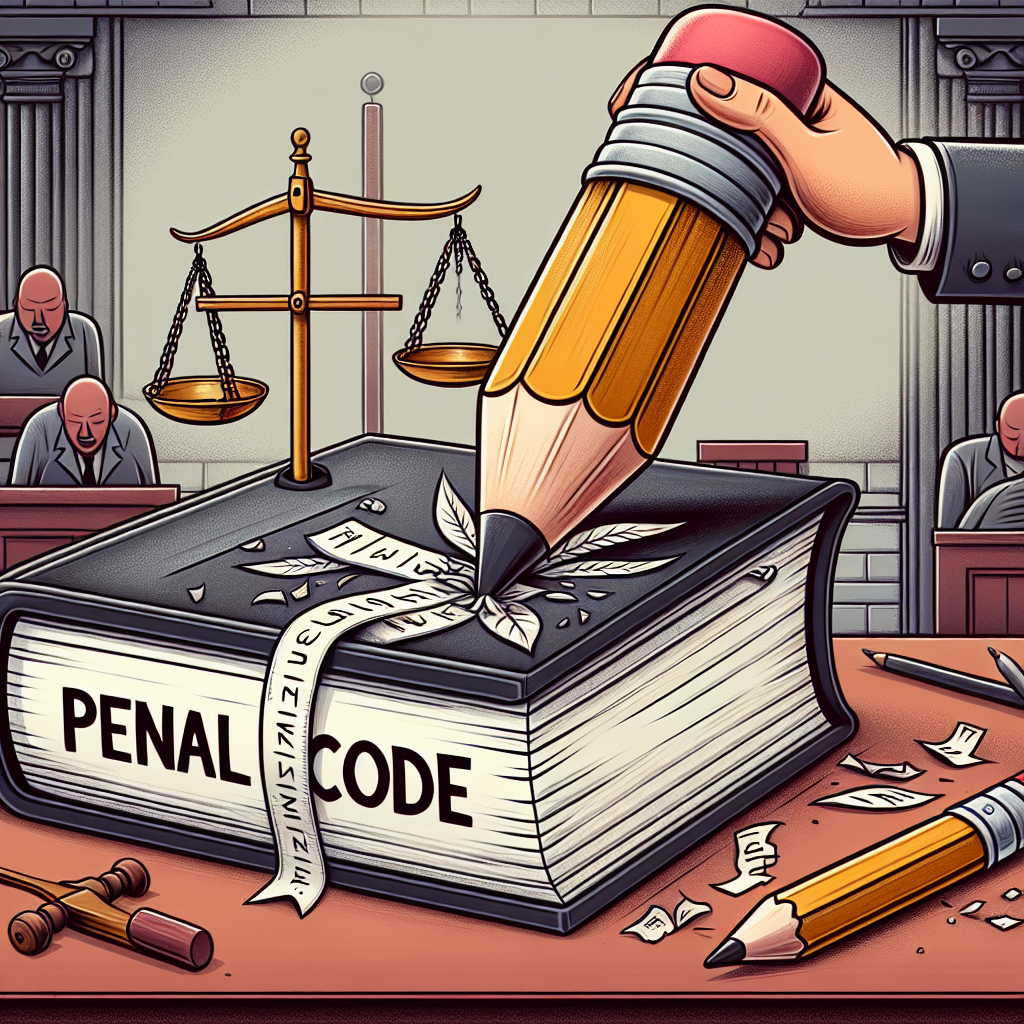
Afghanistan's recent penal code issued by decree imposes harsher punishments for animal mistreatment than domestic violence. It codifies gender inequality, allowing men to punish women and limiting their rights, contravening international obligations. Critics urge reversal, highlighting the law's impact on Afghanistan's societal and legal framework.
- Country:
- Greece
In Afghanistan, a newly decreed penal code has ignited controversy by enacting harsher penalties for animal mistreatment than domestic violence against women. The decree, signed by Afghanistan's Supreme Leader, sets troubling legal precedents on gender and social inequality.
Comprising 119 articles, Decree No. 12 allows husbands to punish wives who visit relatives without permission, underscoring its stance on limiting women's rights. Critics argue it violates international human rights obligations and call for its retraction.
Amid this backlash, Afghanistan faces global scrutiny over its treatment of women and the penal code's discriminatory measures, urging a reconsideration of its societal implications.
Advertisement
ALSO READ
-
Border Tensions Escalate: Pakistan and Afghanistan Face Off
-
Escalation Alert: Afghanistan-Pakistan Border Tensions Rise
-
Afghanistan Strikes Back: Offensive Operations Along the Durand Line
-
Richard Pybus Takes on Afghanistan Cricket Challenge
-
Earthquake Strikes Afghanistan-Tajikistan Border: An Overview








 Google News