



€150m EIB Loan with Petit Forestier Group to Electrify Europe’s Cold-Chain Fleet
The new electric vehicles will be rolled out primarily in France, Italy and Spain, strengthening low-emission urban distribution networks and supporting EU climate targets.
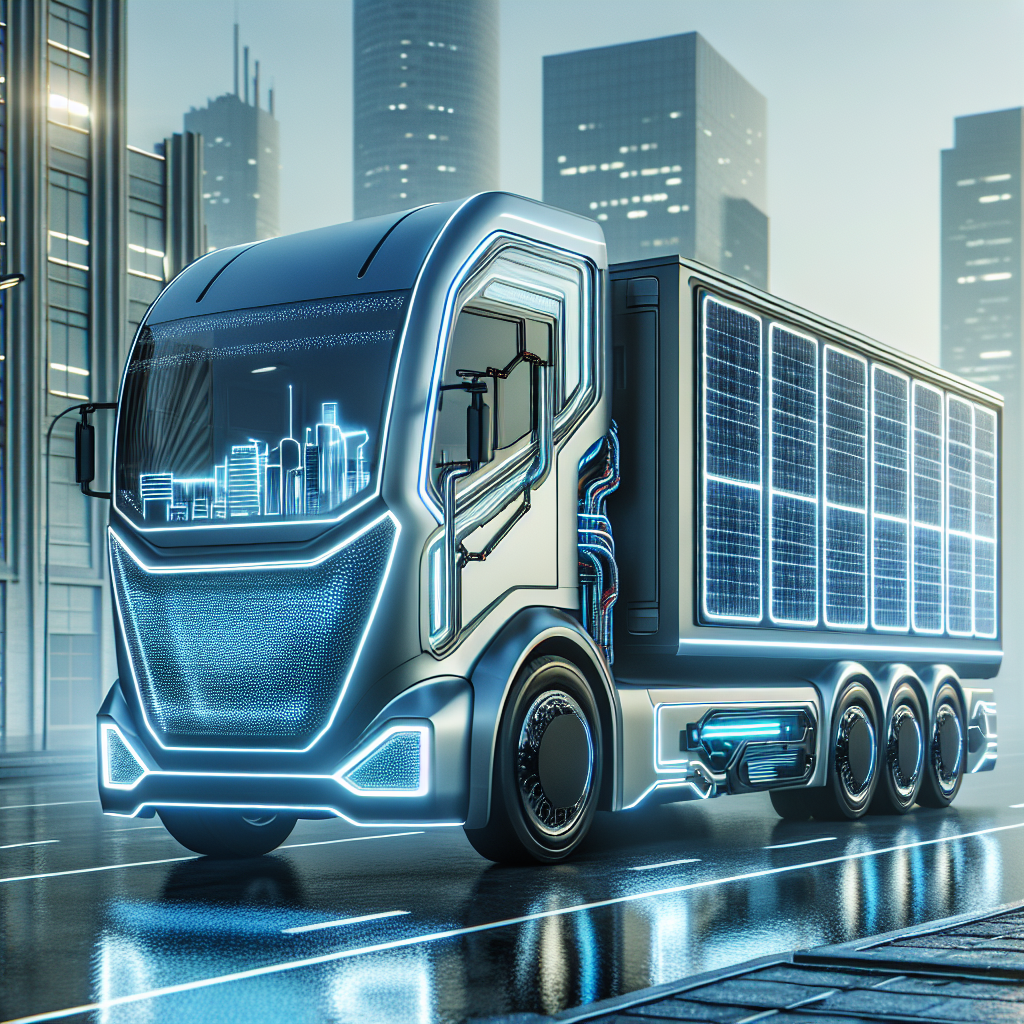
The European Investment Bank (EIB) has signed a landmark €150 million loan agreement with Petit Forestier Group to accelerate the electrification of Europe's refrigerated transport sector, financing the deployment of approximately 4,000 electric refrigerated vehicles between 2026 and 2029.
The investment marks a significant step in decarbonising cold-chain logistics — a critical but energy-intensive segment of road transport responsible for delivering food, pharmaceuticals and temperature-sensitive goods across the European Union.
The new electric vehicles will be rolled out primarily in France, Italy and Spain, strengthening low-emission urban distribution networks and supporting EU climate targets.
Driving Europe's Low-Carbon Mobility Transition
The financing falls under the EIB's mandate to support projects that advance the European Union's energy transition and low-carbon mobility priorities.
Refrigerated transport presents unique decarbonisation challenges, as vehicles must power both propulsion systems and temperature-controlled units. Electrifying this segment represents a major technological and operational shift for the logistics industry.
"This maiden EIB loan to Petit Forestier Group is in line with our low-carbon transport strategy," said EIB Vice-President Ambroise Fayolle.
"Refrigeration transport affects people's lives in Europe on a daily basis as it is critical for both food and pharmaceuticals. Gradually increasing the number of electric vehicles on our roads will help reduce pollution, without cutting back services."
4,000 Electric Vehicles by 2029
Under the agreement, Petit Forestier Group will deploy around 4,000 electric refrigerated vehicles over four years. Once integrated, electric units will account for approximately 5% of the company's fleet.
Key features of the project include:
-
Vehicles built on European chassis frames, supporting EU manufacturing supply chains
-
Deployment focused on high-density urban and regional distribution corridors
-
Strengthening zero-emission logistics for essential sectors
The electrification drive is expected to reduce greenhouse gas emissions and urban air pollution while maintaining the reliability required for food safety and pharmaceutical distribution.
A Benchmark Financing for the Sector
For Petit Forestier Group — Europe's leading refrigerated vehicle rental company — the agreement represents a benchmark financing milestone in its long-term decarbonisation strategy.
The company's business model centres on providing temperature-controlled vehicle solutions that help customers maintain uninterrupted cold-chain logistics.
"For Petit Forestier Group, this loan will enable us to support our customers' fleet transition by promoting the use of electric vehicles," said CEO Léonard Forestier.
"Accelerating the deployment of 4,000 vehicles over the 2026-2029 period will help us move forward on our low-carbon trajectory."
Strengthening Resilient and Sustainable Supply Chains
Cold-chain transport is fundamental to Europe's economic resilience, ensuring the safe distribution of:
-
Fresh and frozen food products
-
Vaccines and temperature-sensitive medicines
-
Healthcare and biotech supplies
The project aligns decarbonisation with service continuity, reinforcing that climate action in logistics can occur without compromising essential supply chains.
Both institutions described the partnership as built on continuity, stability and long-term sustainability — principles increasingly central to Europe's green investment strategy.
As the EU accelerates its transition toward cleaner mobility, the EIB-Petit Forestier agreement signals growing financial support for electrifying specialised commercial fleets — a sector vital to daily life yet traditionally difficult to decarbonise.








 Google News