



Russia's Space Ambitions: From Baikonur's Recovery to Starlink Rivalry
Russia's space agency has marked a significant step by launching a Soyuz rocket from Baikonur, Kazakhstan, after repairs on the launch pad. The mission aims to maintain links with the International Space Station. Additionally, Moscow has launched 16 low-orbit satellites to compete with SpaceX's Starlink, despite technical challenges.
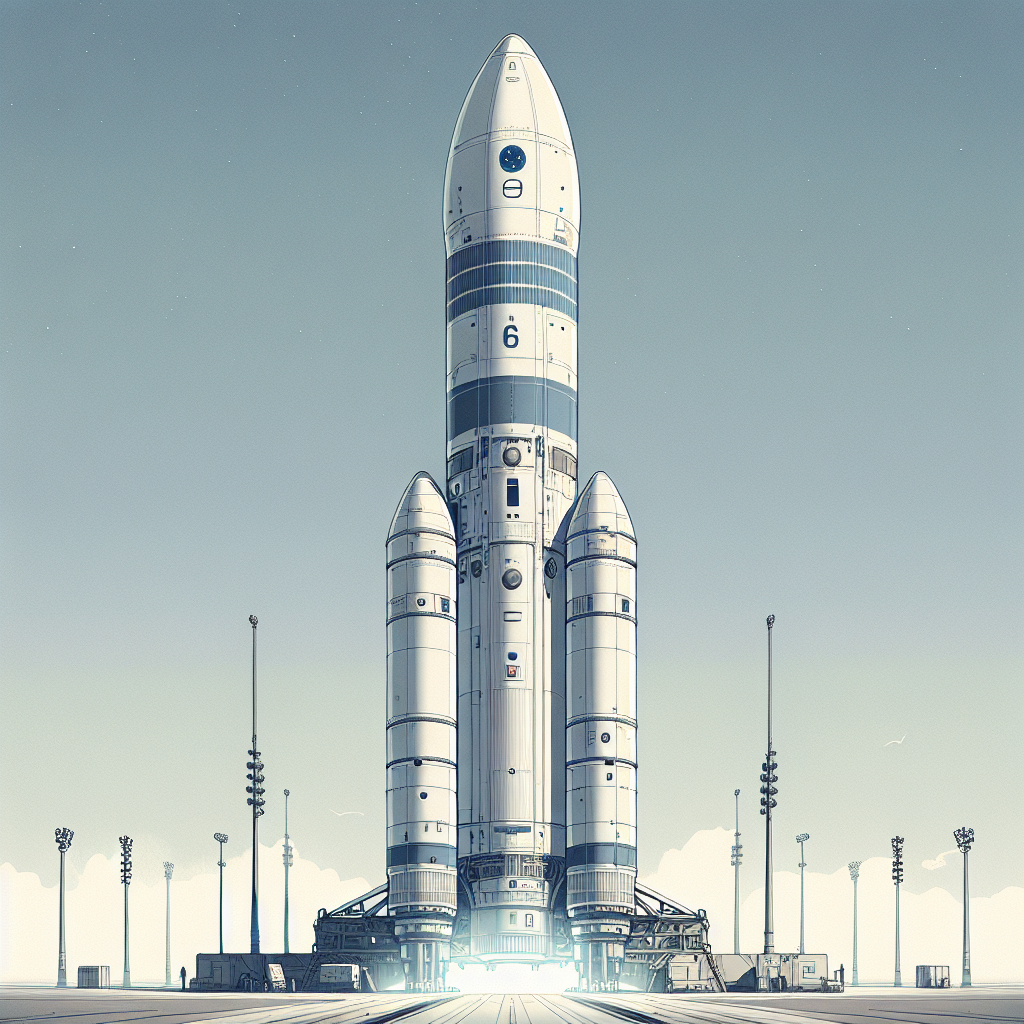
In a significant development, Russia has successfully launched a Soyuz rocket from the freshly repaired Baikonur launch pad in Kazakhstan, marking the first such endeavor since the facility was damaged last year. At precisely 1200 GMT, the Soyuz-2.1a rocket, carrying the Progress MS-33 cargo spacecraft, soared into orbit. The payload is scheduled to rendezvous with the International Space Station on March 24, according to Russia's space agency.
Concurrently, Russia is making strides in its telecommunications capabilities with the launch of 16 low-orbit satellites. This move is part of a broader ambition to compete with Elon Musk's Starlink network. Though Russia is still trailing far behind Starlink's impressive array of over 10,000 satellites, these new launches signal Moscow's determination to build its space infrastructure.
Meanwhile, a complication with a KURS automated rendezvous antenna on a Russian cargo spacecraft has necessitated a manual docking procedure upon its arrival at the International Space Station. Despite the technical issue, the progress and ambition demonstrated in these ventures underscore Russia's continued focus on reclaiming its position in the space race.
ALSO READ
-
Daylight Destruction: Russian Drone Attack Devastates Ukrainian Cities
-
Unyielding Front: Ukraine Fends Off Escalating Russian Attacks
-
Historic St. Andrew's Church in Lviv Endangered in Daytime Russian Assault
-
Russia's Daytime Drone Offensive on Ukraine
-
Russia's Satellite Milestone: A New Challenger in the Space Race








 Google News