



Russia Restores Space Launch Capability Amid Technical Challenges
Russia launched a Soyuz rocket from the Baikonur cosmodrome, restoring its International Space Station access since last year's damages. However, a technical issue with the Progress MS-33's antenna requires manual docking. This development marks a significant step in Russia's space exploration efforts despite the technical setback.
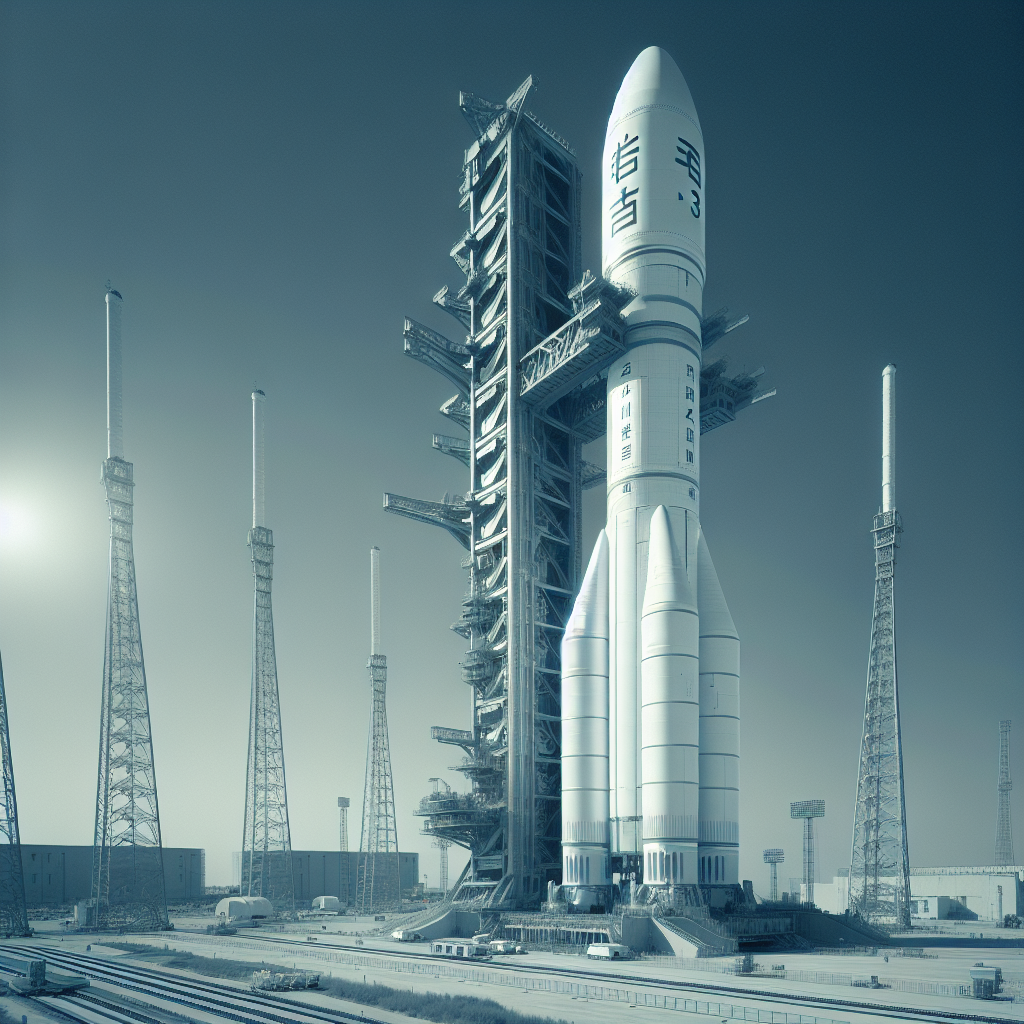
Russia successfully launched a Soyuz rocket from the repaired Baikonur cosmodrome in Kazakhstan, marking its return to the International Space Station since the previous mishap. The launch, conducted at 1200 GMT on Sunday, carries the Progress MS-33 cargo spacecraft into orbit, fully restoring Russia's national capability for space missions.
According to Russia's space agency, the mission aims to dock the spacecraft with the ISS on March 24. However, a significant technical challenge arose with a malfunctioning antenna on the cargo spacecraft, necessitating manual docking. This unexpected issue could impact future automated missions.
Despite the setback, Russia's latest launch from Baikonur represents renewed vigor in its space endeavors, affirming its commitment to overcoming obstacles and maintaining a presence in space. Such resilience is crucial as the global community closely watches these advancements.
ALSO READ
-
ISRO Gears Up for Space Docking Breakthroughs
-
Ole Book Takes Helm as Borussia Dortmund's Sporting Director
-
Wiretapping Scandal: Hungary's Foreign Minister and Russian Connections
-
India-Russia: A Renewed Commitment to Economic Partnership
-
Novatek's Strategic Venture: Russia Taps Vietnam for LNG Contracts








 Google News