



Harnessing Genetic Blueprints: The Future of Conservation Genomics in Battling Climate Change
Conservation genomics is emerging as a critical tool for preserving ecosystems under threat from rapid climate change. Scientists aim to enhance restoration efforts by sequencing organisms' genomes to identify traits that support survival in extreme conditions. While promising, this approach complements broader initiatives to reduce greenhouse gas emissions.
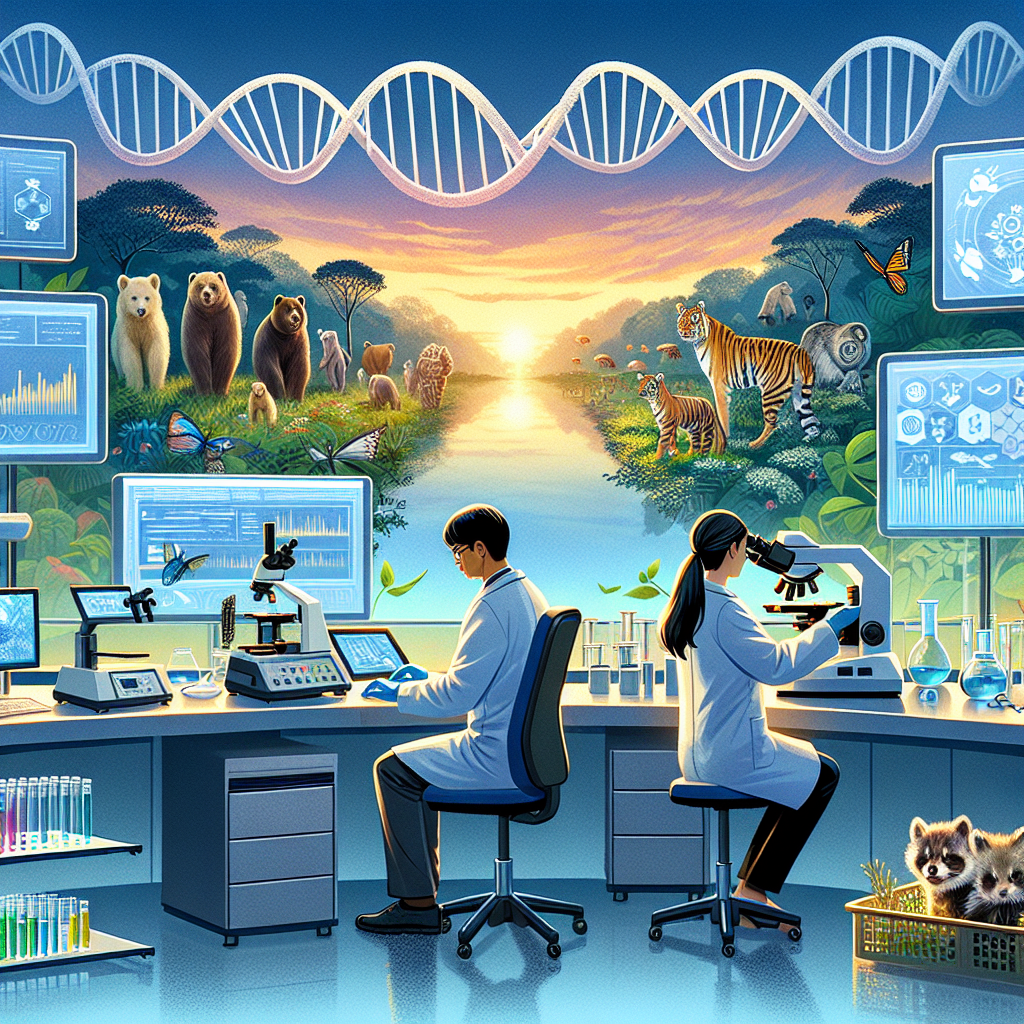
As climate change accelerates, ecosystems from redwoods to seagrass are under unprecedented threat. To combat this, researchers are turning to conservation genomics, a groundbreaking discipline aiming to identify genetic traits that bolster resilience to climatic extremes.
Efforts in experimentation span various species, from coral reefs, where genomic tools help identify resilient colonies, to the eelgrass of Southern California, which shows promise despite current restoration challenges. Researchers hope that selective breeding of genetically robust organisms could restore these ecosystems.
However, experts like Karen Holl emphasize that while genomics provides vital insights, it is not a standalone solution to climate change. Mitigating greenhouse gas emissions remains imperative to ensuring the survival of diverse ecosystems worldwide.
ALSO READ
-
New Earthset Image Captures Dramatic Climate Changes Since Iconic Earthrise
-
Swiss Diplomacy in Action: Tissafi's Mission on Climate Change and DRR
-
How Corporate Venture Capital Is Redefining Innovation in Global Start-up Ecosystems
-
COVID pandemic, conflicts and climate change stand out as challenges in the decade: EAM Jaishankar in Raipur.
-
Artificial intelligence unlocks real-time insights into complex aquatic ecosystems








 Google News