



IAEA and ICTP Open Applications for 2026 Nuclear Stakeholder Engagement School
The IAEA emphasizes that early, transparent, and inclusive communication is essential to building public confidence and ensuring long-term sustainability.
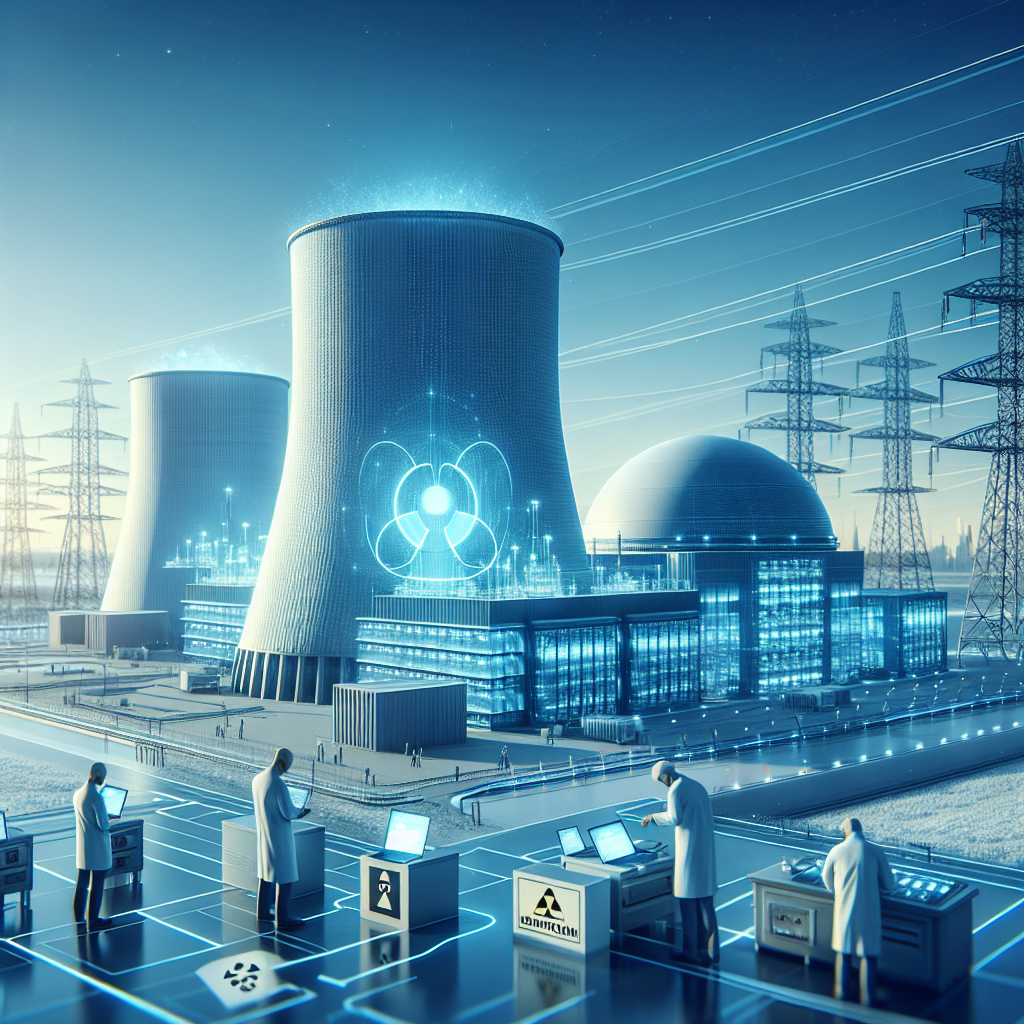
The International Atomic Energy Agency (IAEA), in partnership with the Abdus Salam International Centre for Theoretical Physics (ICTP), has announced the opening of applications for the 2026 Nuclear Stakeholder Engagement School, a flagship training initiative aimed at strengthening global expertise in one of the most critical aspects of nuclear programme development—public and stakeholder engagement.
Interested professionals have until 11 May 2026 to apply for the highly sought-after programme, which will take place from 23 to 27 November 2026 in Trieste, Italy.
Building Trust at the Core of Nuclear Development
As countries worldwide increasingly explore or expand nuclear power to meet climate and energy security goals, stakeholder engagement has emerged as a decisive factor in programme success. The IAEA emphasizes that early, transparent, and inclusive communication is essential to building public confidence and ensuring long-term sustainability.
The IAEA Milestones Approach, a globally recognized framework guiding nuclear power development, identifies stakeholder engagement as one of the 19 critical infrastructure elements required for successful programme implementation.
"Transparent and continuous engagement with stakeholders supports informed decision-making and strengthens public trust," the agency underscores, highlighting its central role in mitigating risks and avoiding delays in complex nuclear projects.
A Comprehensive, Hands-On Training Programme
The five-day school is designed to equip participants with practical tools, strategic insights, and real-world skills needed to navigate complex stakeholder environments.
Participants will engage in:
-
Expert-led lectures and case studies
-
Interactive simulations and group projects
-
Practical training on decision-making frameworks
-
Development of stakeholder engagement strategies
Key topics include:
-
Designing and implementing stakeholder engagement programmes
-
Crisis and emergency communication strategies
-
Countering misinformation and disinformation
-
Understanding roles and responsibilities across institutions
-
Building long-term communication frameworks for nuclear projects
The programme targets a wide spectrum of professionals, including those working in government agencies, regulatory bodies, technical support organizations, and nuclear operating companies.
Growing Global Demand and Participation
Since its launch in 2024, the Nuclear Stakeholder Engagement School has seen strong international uptake. To date:
-
82 professionals from 45 countries have completed the programme
-
Participants have gone on to strengthen national stakeholder engagement strategies
-
The initiative has contributed to building a global community of practice in nuclear communication and public engagement
This growing demand reflects the increasing recognition that technical excellence alone is insufficient—social acceptance and public trust are equally critical to nuclear programme success.
Part of a Broader Global Effort
The school forms part of the IAEA's wider strategy to support countries in developing robust, sustainable stakeholder engagement capacities. Beyond the school, the agency:
-
Conducts national and regional workshops
-
Integrates stakeholder engagement into its peer review missions
-
Publishes guidance and toolkits for governments and operators
In May 2025, the IAEA further elevated the importance of this issue by hosting the first International Conference on Stakeholder Engagement for Nuclear Power Programmes, which brought together nearly 900 participants worldwide, including policymakers, experts, and community leaders.
A standout feature of the conference was a dedicated session involving around 70 local community representatives, offering firsthand insights into living alongside nuclear facilities—an effort to bridge the gap between policymakers and the public.
A Strategic Investment in the Future of Nuclear Energy
As global energy systems transition toward low-carbon solutions, nuclear power is expected to play a key role. However, its expansion will depend not only on technology and financing but also on effective communication, transparency, and public engagement.
The 2026 Nuclear Stakeholder Engagement School represents a critical investment in building these capabilities—ensuring that future nuclear projects are not only technically sound but also socially supported.
With applications now open, the programme offers professionals worldwide an opportunity to be at the forefront of shaping trust-driven, sustainable nuclear energy development.








 Google News