



Zero Tolerance Day: World Urged to Accelerate Action to End Female Genital Mutilation
FGM remains a brutal practice that causes irreversible physical and psychological harm, and it cannot be justified under any cultural, social or religious grounds.
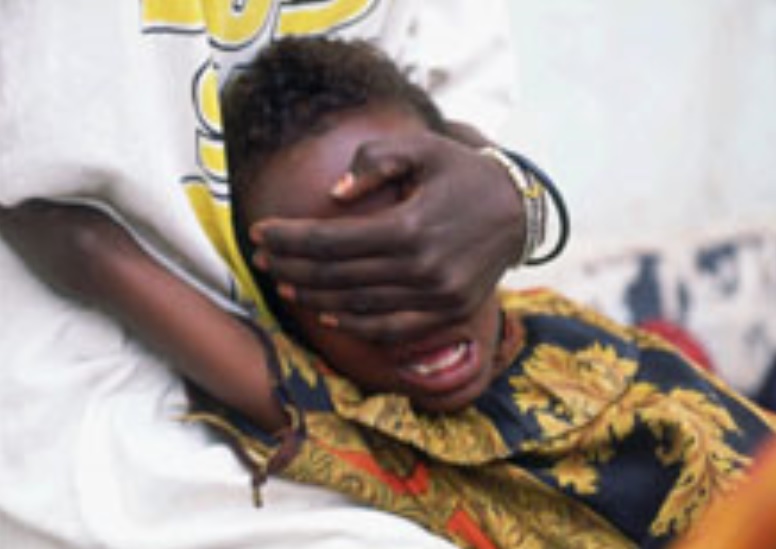
On the International Day of Zero Tolerance for Female Genital Mutilation (FGM), the global community is renewing its commitment to end one of the most harmful and persistent violations of girls' and women's rights.
In 2026 alone, an estimated 4.5 million girls — many under the age of five — are at risk of undergoing female genital mutilation. Today, more than 230 million girls and women worldwide are already living with its lifelong consequences.
FGM remains a brutal practice that causes irreversible physical and psychological harm, and it cannot be justified under any cultural, social or religious grounds.
A Human Rights Violation with Lifelong Health Consequences
Female genital mutilation is a clear violation of human rights that compromises the health, dignity and future of girls and women.
The practice can lead to severe and lasting complications, including:
-
Chronic pain and infections
-
Complications in childbirth
-
Mental health trauma
-
Increased risk of maternal and infant mortality
-
Long-term sexual and reproductive health problems
The economic impact is also enormous, with treatment costs estimated at US$ 1.4 billion every year, placing additional strain on already stretched health systems.
Progress Is Accelerating — But the World Must Move Faster
Over the last three decades, global interventions have shown measurable impact.
Nearly two-thirds of people in countries where FGM is prevalent now express support for its elimination. After decades of slow change, progress is accelerating:
-
Half of all gains since 1990 have been achieved in the past decade
-
The proportion of girls subjected to FGM has declined from one in two to one in three
This momentum must now be strengthened to meet the Sustainable Development Goal target of ending FGM by 2030.
We Know What Works: Community-Led Prevention and Education
Evidence shows that FGM can be eliminated through coordinated, sustained action.
Effective strategies include:
-
Health education and awareness campaigns
-
Engagement of religious and community leaders
-
Involving parents, elders and health workers
-
Grassroots and youth-led movements
-
Traditional and social media outreach
-
Strengthening education systems and community-based learning
Trusted opinion leaders — particularly health professionals — play a critical role in amplifying prevention messages and shifting harmful social norms.
Supporting Survivors with Comprehensive Services
Ending FGM requires not only prevention, but also support for those already affected.
Survivors must have access to:
-
Quality and culturally appropriate health care
-
Psychosocial support
-
Protection and legal assistance
-
Community reintegration services
A survivor-centred approach is essential to restore dignity, wellbeing and rights.
Ending FGM Is a Smart Investment with High Returns
Investing in the elimination of FGM delivers powerful economic and social benefits.
Every US$ 1 invested in ending FGM yields a tenfold return.
An investment of US$ 2.8 billion could:
-
Prevent 20 million cases
-
Generate US$ 28 billion in long-term investment returns
This makes FGM elimination not only a moral imperative, but also a highly cost-effective development priority.
Funding Cuts and Pushback Threaten Hard-Won Gains
As the world approaches 2030, progress is at risk.
Declining international investment in health, education and child protection programmes is already weakening prevention efforts and frontline services.
At the same time, growing pushback — including dangerous claims that FGM is acceptable if performed by doctors or health workers — is creating new barriers.
Without adequate, predictable financing:
-
Community outreach programmes may be scaled back
-
Survivor services may be reduced
-
Progress could be reversed
-
Millions more girls could be placed at risk
Renewing the Commitment to End FGM Once and for All
On this day of zero tolerance, partners across the world — including governments, civil society, private sector actors and survivors themselves — reaffirm their shared commitment to end female genital mutilation forever.
The world has the evidence, the tools and the momentum. What is needed now is urgent investment, sustained political will and collective action to ensure that every girl can grow up free from violence, harm and discrimination.








 Google News