



World Cancer Day: IAEA Rays of Hope Brings Life-Saving Cancer Care to Underserved Regions
According to the latest estimates from the International Agency for Research on Cancer (IARC), 10 million people died from cancer in recent years, and this figure is expected to nearly double by 2045.
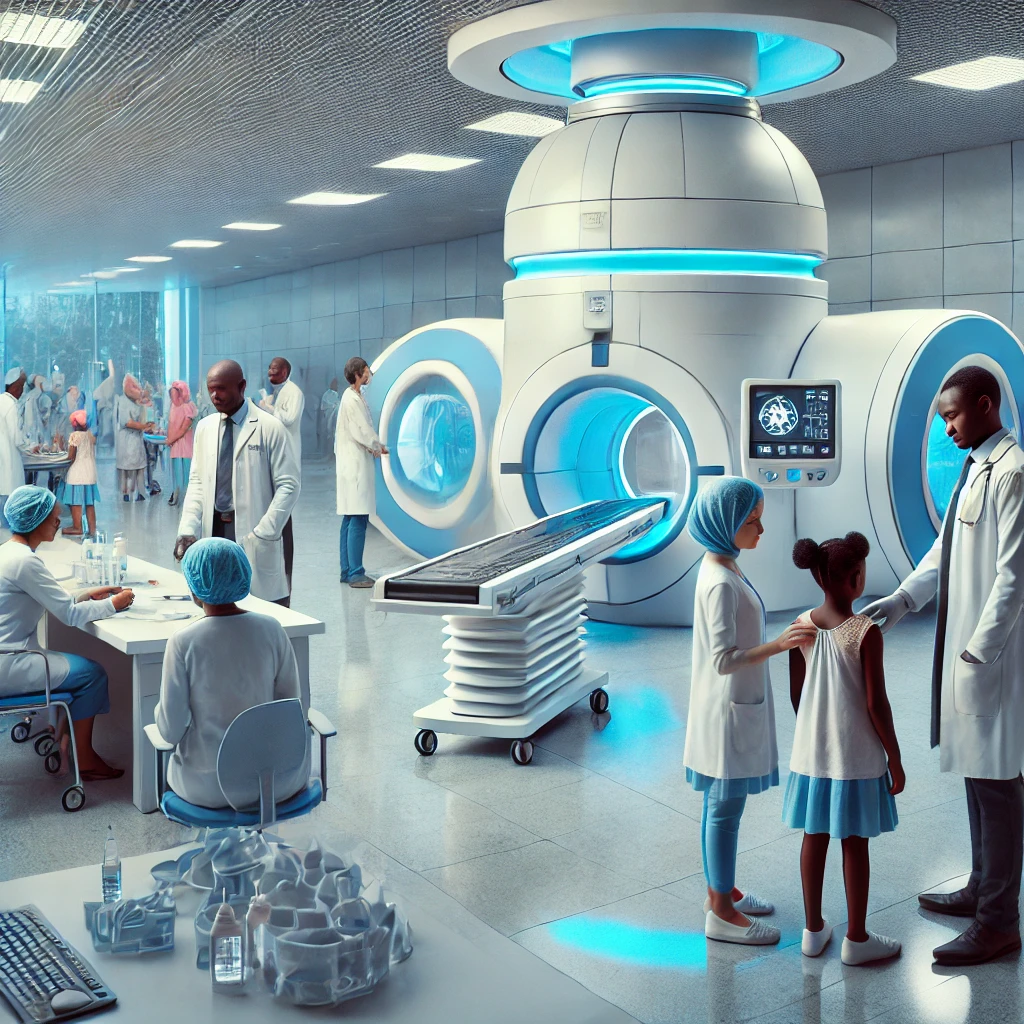
Cancer remains one of the world's most pressing public health challenges, hitting hardest in low- and middle-income countries where nearly 70% of cancer-related deaths occur and access to specialized treatment is often limited or non-existent.
As the world marks World Cancer Day, the International Atomic Energy Agency (IAEA) is highlighting how nuclear science and technology are transforming cancer care for patients in underserved regions through its flagship Rays of Hope initiative — a global effort bringing diagnosis, treatment and training to countries most in need.
Closing the Global Cancer Care Gap
Cancer deaths are rising rapidly worldwide. According to the latest estimates from the International Agency for Research on Cancer (IARC), 10 million people died from cancer in recent years, and this figure is expected to nearly double by 2045.
Multiple factors are driving this increase, including:
-
Ageing populations
-
Environmental and lifestyle risks
-
Limited access to early detection
-
Unequal availability of radiotherapy and nuclear medicine
Radiotherapy is required for more than half of all cancer patients, yet many countries still lack even a single treatment machine.
To address this urgent gap, the IAEA launched Rays of Hope in 2022.
Rays of Hope: A Global Initiative Delivering Real Impact
Launched by IAEA Director General Rafael Mariano Grossi, Rays of Hope is designed to expand access to life-saving radiation medicine in low- and middle-income countries.
Since 2022, the initiative has achieved major milestones:
-
Procured more than 90 items of diagnostic and treatment equipment
-
Delivered 10 linear accelerators for radiotherapy
-
Deployed 55 mammography machines for breast cancer screening
-
Attracted participation from over 100 countries
-
Raised more than EUR 90 million in extrabudgetary funding
"Rays of Hope is changing the reality on the ground and is a concrete example of how the IAEA delivers," said Director General Grossi.
"Hospitals are being built, technology is being transferred, but we can still do more to bring cancer care closer to people that need it the most."
Giving Patients a Fighting Chance Through Radiotherapy Expansion
Rays of Hope was launched in Addis Ababa, Ethiopia, initially focusing on Africa, where many countries still have no radiotherapy capacity.
One of the earliest beneficiaries, Malawi, opened its first public radiotherapy centre in July 2025 at Kamuzu Central Hospital in Lilongwe.
"The new National Cancer Centre has been a game changer for specialized care in Malawi," said Dr. Leo Masamba, clinical oncologist at the Centre.
"We have treated over 100 patients in the first six months alone, with many more scheduled for treatment ahead."
Malawi's new facility includes:
-
4 radiotherapy bunkers
-
2 brachytherapy bunkers
-
2 linear accelerators
-
1 cobalt-60 unit
-
1 CT simulator
-
1 brachytherapy suite
Across Africa, Rays of Hope is also supporting radiotherapy establishment or expansion in:
Chad, Ethiopia, Kenya, Lesotho, Liberia, Senegal, Togo, and Zambia.
In Latin America, support is expanding care in:
Dominican Republic, Honduras, Mexico, and Paraguay.
Early Detection Saves Lives: Expanding Diagnostic Imaging
Nuclear medicine and imaging technologies are essential for detecting cancer early, significantly improving survival chances.
Breast cancer remains the leading cause of cancer deaths among women globally, with an estimated 2.3 million cases each year.
To bridge diagnostic gaps, Rays of Hope is deploying 55 mammography units across Africa, Latin America and the Caribbean.
In El Salvador, Hospital Nacional Nuestra Señora de Fátima in Cojutepeque was among the first recipients. Since July 2025:
-
137 women have benefited from screening
-
3% showed findings highly suggestive of malignancy
-
Patients were immediately referred for specialized care
Jordan also inaugurated its first PET-CT scanner in a public hospital in early 2025 at Al-Bashir Hospital, expected to benefit more than 500 patients.
The initiative is further expanding nuclear medicine services in:
Kenya, Kyrgyzstan, Senegal, and Togo.
Building Radiation Safety and Quality Care Foundations
Rays of Hope places patient safety at the centre of radiation medicine expansion.
Support includes:
-
Quality audits
-
Expert missions
-
Technical guidance
-
Security frameworks for radiation use
These foundations are essential to ensure cancer treatment is delivered safely, effectively and sustainably.
Expanding Partnerships and Unlocking Resources
The initiative also strengthens national cancer control planning through imPACT Reviews and helps broker partnerships across sectors.
Recent examples include:
-
A linear accelerator donated by Varian for Black Lion Hospital in Ethiopia
-
Djibouti and Uzbekistan securing loans from the Islamic Development Bank to expand radiation medicine services
These collaborations help countries mobilize long-term financing for essential cancer care infrastructure.
Anchor Centres: Training the Next Generation of Oncology Professionals
A cornerstone of Rays of Hope is the establishment of 18 Anchor Centres across four regions.
These centres have already delivered training to more than 700 oncology professionals, including:
-
Over 500 through in-person workshops
-
More than 200 through online participation
Anchor Centres promote innovation and research, ensuring limited resources are used optimally.
New Coordinated Research Projects (CRPs) include AI-supported radiotherapy planning, such as computed tomography-based prostate cancer contouring guided by AI verification.
The centres also contribute to SUNRISE, a global database measuring improvements in radiation medicine with a focus on sustainability and cost-efficiency.
Innovation Driving Affordable, High-Quality Treatment
Training through Rays of Hope includes cutting-edge approaches such as:
-
Ultra-hypofractionated radiotherapy, reducing treatment time and costs
-
Theranostics, combining diagnosis and treatment using radiopharmaceuticals
-
Best practices in paediatric oncology
Dr. Umesh Mahantshetty of Tata Memorial Centre highlighted the initiative's impact:
"Support from the IAEA has enabled us to adopt a more structured and harmonized training approach, which we now extend to professionals across our region."
A Global Commitment to Cancer Care Equity
On World Cancer Day, Rays of Hope stands as a powerful example of how nuclear science can deliver tangible health benefits, ensuring that cancer patients everywhere — regardless of geography or income — have access to life-saving diagnosis and treatment.
With rising cancer burdens worldwide, the initiative is helping countries build resilient systems, train skilled professionals and deliver hope where it is needed most.








 Google News