



Heatwaves, floods and winter storms inflict heavy toll as WMO calls for faster action
From intense heat and wildfires to record-breaking cold, heavy snowfall, torrential rain and devastating floods, no region has been spared.
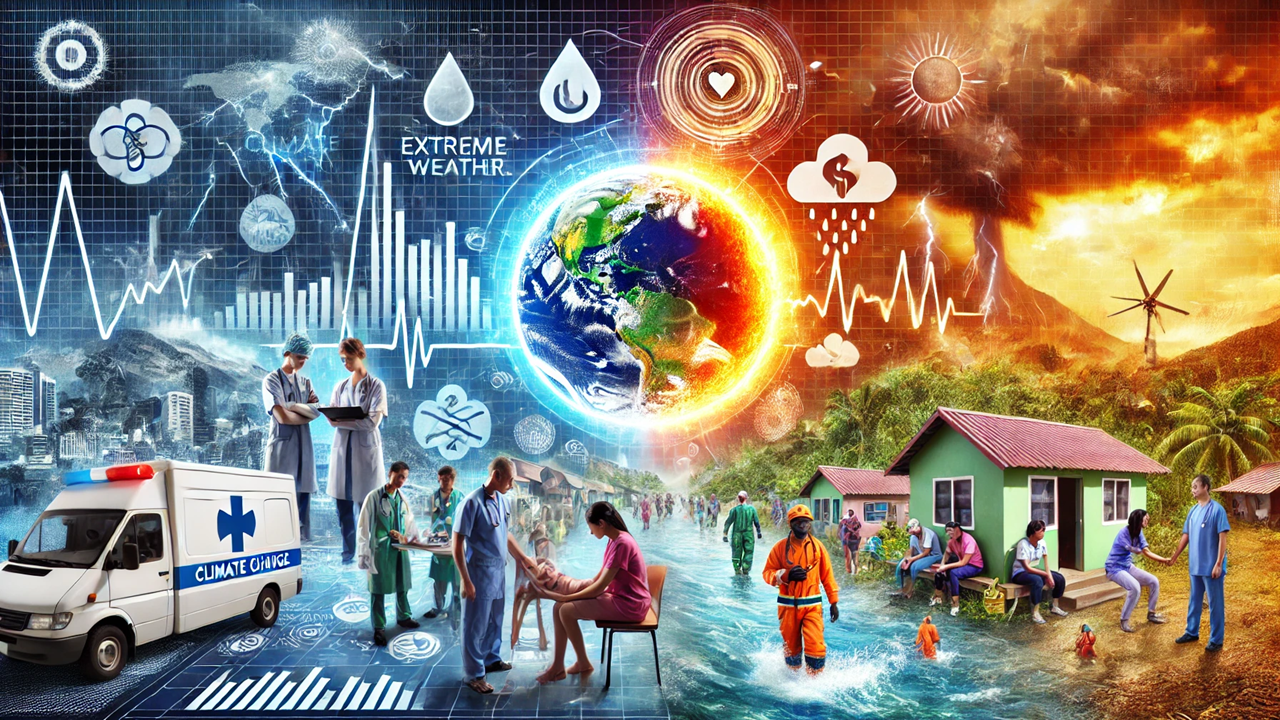
Extreme weather events in the opening weeks of 2026 have once again highlighted the critical importance of accurate forecasts and sustained investment in early warning systems, as communities across the globe faced severe economic, environmental and human impacts.
From intense heat and wildfires to record-breaking cold, heavy snowfall, torrential rain and devastating floods, no region has been spared. National Meteorological and Hydrological Services (NMHSs) have been on the frontline, issuing alerts and guidance as hazards unfolded simultaneously across continents.
"The number of people affected by weather- and climate-related disasters continues to rise year by year, and the terrible human impacts have been apparent on a day-by-day basis this January," said Celeste Saulo, Secretary-General of the World Meteorological Organization (WMO)."This is what drives us to expand and accelerate the Early Warnings for All initiative, because disaster-related deaths are six times lower in countries with good early warning coverage."
A warming climate, escalating extremes
Long-term global warming is increasing the frequency and intensity of many extreme weather events. WMO recently confirmed that 2026 is among the three warmest years on record, reinforcing scientific evidence that rising temperatures are amplifying climate risks.
Extreme weather has also emerged repeatedly as a top global risk in the World Economic Forum's Global Risks Report, reflecting growing exposure and vulnerability worldwide.
Extreme heat and wildfires
Large parts of Australia were gripped by back-to-back heatwaves in January, creating dangerous fire weather conditions. The town of Ceduna in South Australia reached 49.5°C on 26 January, a local record, while temperatures exceeded 45°C across multiple states.
Authorities issued heatwave warnings with clear public health messaging, a vital step in protecting lives from what is often described as a "silent killer." Fire danger ratings reached high to extreme levels due to heat combined with gusty winds.
World Weather Attribution scientists found that climate change made the 5–10 January heatwave about 1.6°C hotter, significantly increasing its severity.
In Chile, deadly wildfires swept through Biobío and Ñuble, killing at least 21 people, forcing tens of thousands to evacuate and destroying hundreds of buildings. Southern Argentina's Patagonia also faced devastating fires driven by drought, heat and strong winds.
According to the IPCC, human-caused climate change has increased the frequency and intensity of heatwaves since the 1950s, with further warming expected to worsen impacts.
WMO is scaling up work on extreme heat through new governance frameworks, health partnerships with the World Health Organization, and efforts to strengthen wildfire early warning systems globally.
Extreme cold and winter storms
While global cold extremes have declined overall, regional cold spells remain disruptive. In January, a weakened and distorted polar vortex allowed Arctic air to spill southward, triggering severe cold and winter storms across North America, Europe and Asia.
In Canada and the United States, a massive winter storm brought snow, ice, power outages, flight cancellations and fatalities. The US National Weather Service warned of one of the longest cold spells in decades.
Elsewhere:
-
Russia's Kamchatka Peninsula received over 2 metres of snow in early January alone, one of the snowiest periods since the 1970s.
-
Northern Japan, including Aomori Prefecture, recorded snow depths of 1.7 metres, the highest in 40 years.
Flooding and heavy rainfall
Severe flooding has caused widespread devastation in southern Africa, where weeks of intense rainfall overwhelmed rivers and reservoirs.
In Mozambique, flooding has affected at least 650,000 people, displaced hundreds of thousands and damaged or destroyed 30,000 homes, with heightened risks of cholera and other water-borne diseases. South Africa declared a national disaster after floods killed at least 30 people and washed away critical infrastructure.
A World Weather Attribution study found that climate change and La Niña combined to increase rainfall intensity by around 40% compared with pre-industrial levels.
In Indonesia, a landslide in West Java killed more than 50 people, triggered by heavy rain compounded by geological and land-use factors. New Zealand also experienced record rainfall in the upper North Island, causing floods and landslides with fatalities at a campsite.
Early warnings save lives
WMO's Coordination Mechanism and Severe Weather Information Centre have been providing standardized, authoritative warnings to humanitarian agencies and the public, supporting preparedness and response across multiple hazards.
Countries such as Mozambique and South Africa have adopted national Early Warnings for All roadmaps, embedding multi-hazard early warning systems into development planning.
"Early, accurate and actionable warnings are one of the most cost-effective ways to save lives, protect livelihoods and build resilience," WMO said, stressing that investment must keep pace with escalating climate risks.
ALSO READ
-
U.S. Withholds Funds from AfDB Amid Climate Change Focus
-
Storms, Prices, and Growth: Why Climate Change Is Now a Macroeconomic Risk for the Philippines
-
Extreme Weather in January Underscores Urgent Need for Early Warnings
-
WMO Strengthens Mozambique’s Early Warning Systems Under EW4All Initiative
-
Tragedy Strikes Afghanistan: Family Lost to Extreme Weather








 Google News