



Ancient Hand Stencil: Oldest Rock Art Discovery on Muna Island
The oldest known rock art, a hand stencil in an Indonesian cave, dates back at least 67,800 years. This discovery hints at early human creativity and migration patterns from Asia to Australia. The artwork is part of broader research supporting the theory of an earlier human arrival in Australia.
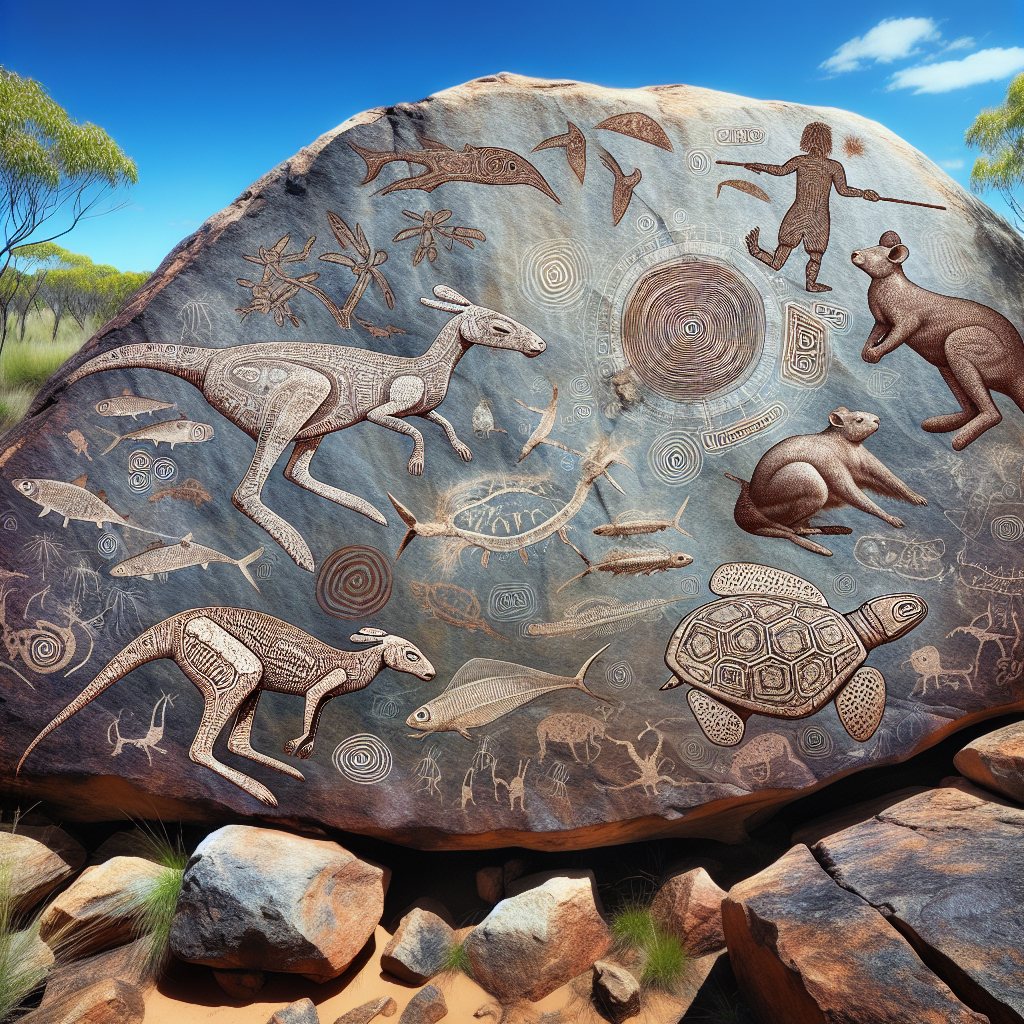
The painted outline of a human hand, discovered inside a cave on Indonesia's Muna Island, represents a groundbreaking find, potentially the oldest example of rock art in the world, crafted at least 67,800 years ago.
The faded, reddish stencil is a powerful testament to early human creativity and the migratory journey of our species from Africa, through Asia, and possibly onto Australia. This discovery, made in the limestone cave Liang Metanduno on Muna, has been heralded by researchers who applied uranium dating to estimate its age.
The depiction, achieved by blowing pigment over a hand placed on a rock wall, reflects a unique style seen only in Sulawesi. The research suggests this art was part of ancient people’s complex symbolic relationships with the animal world, offering new insight into human history and migration patterns.








 Google News