



Myanmar's Junta Chief Eyes Presidency Amidst Civil Unrest
Myanmar's junta chief Min Aung Hlaing is poised for a parliamentary vote that could see him ascend to the presidency, following a contested election criticized internationally. His move to cement civilian control is controversial as the nation grapples with ongoing resistance and civil unrest.
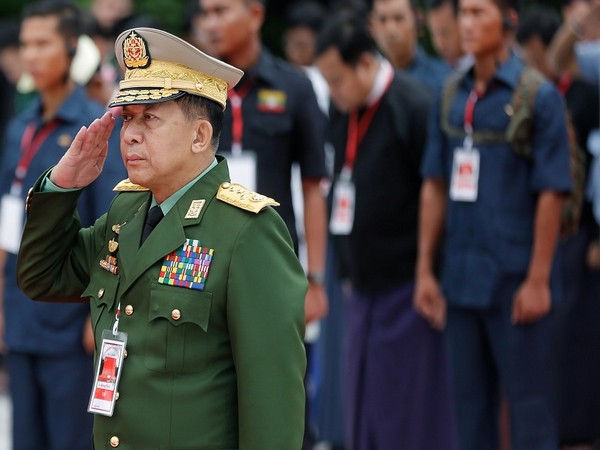
Myanmar's junta chief Min Aung Hlaing faces a pivotal parliamentary vote on Friday aimed at securing his position as the nation's president. This comes five years after he orchestrated a coup against a democratically elected government, seeking to consolidate his political control.
The anticipated transition of Min Aung Hlaing from a top military general to a civilian president follows a disputed election, heavily criticized as a facade to prolong military influence. His candidacy is expected to be strongly supported by the army-aligned Union Solidarity and Development Party, which secured 81% of seats.
Despite political maneuvering, Myanmar is still embroiled in a prolonged civil conflict. Opposition groups and ethnic minority forces continue to challenge military dominance, vowing to dismantle authoritarian rule and introduce a Federal Democratic Union, even as they brace for increased military pressure and international scrutiny.
ALSO READ
-
Cameroon's Vice Presidency Revival: Ensuring Presidential Continuity
-
Myanmar's Presidential Election: A Military Influence
-
Ye Win Oo: The New Power Behind Myanmar's Military
-
Min Aung Hlaing's Presidential Ambitions Shape Myanmar's Political Landscape
-
Myanmar's Presidential Election: Military Influence and Democratic Challenges








 Google News