



US-Iran Tensions Escalate: Global Impacts Unfold
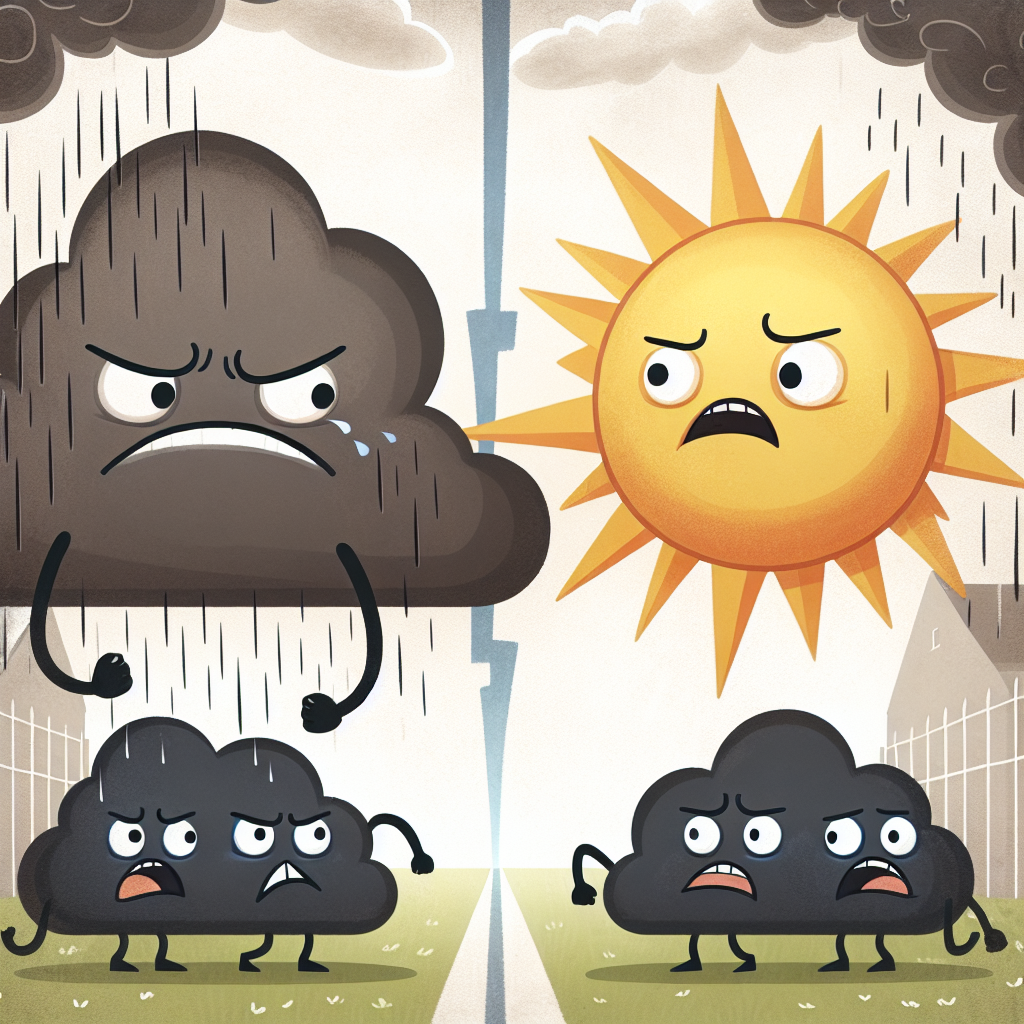
The heightened US-Iran conflict threatens global stability, impacting oil prices and international relations. Amid missile exchanges and military escalations, global markets remain volatile, with new developments influencing fuel prices and political alliances. Australia's fuel conservation efforts signify broader challenges, while Iran's stance shows resilience and geopolitical complexities.
- Country:
- United States
Heightened tensions between the US and Iran continue to reverberate globally, as military actions and diplomatic challenges intensify. President Donald Trump emphasized shifting the responsibility of the Strait of Hormuz to reliant countries, affecting global oil dynamics. Trump's stance indicates frustration and fluctuating diplomatic talks with Iran.
In a significant development, Iranian Foreign Minister Abbas Araghchi declared Tehran's determination to persist in its defensive measures, rejecting perceived American threats. Meanwhile, Australia's Prime Minister Anthony Albanese called for public transport use amid fuel supply uncertainties, highlighting ripple effects beyond the immediate conflict zone.
As markets react, oil prices dropped below $100 per barrel, suggesting renewed optimism for de-escalation despite ongoing military actions. Iranian missile strikes and Houthi involvement in the conflict further complicate geopolitical equations, demanding robust international responses to stabilize the region and maintain global economic stability.








 Google News