



Britain's Strategic Aid Shift Sparks Global Reactions
Britain plans to focus its international aid on countries affected by conflict, reducing aid to Africa and the Middle East. The decision, influenced by pressure to increase defense spending, will lower aid to 0.3% of GNI, redirecting funds to conflict zones like Sudan and Ukraine.
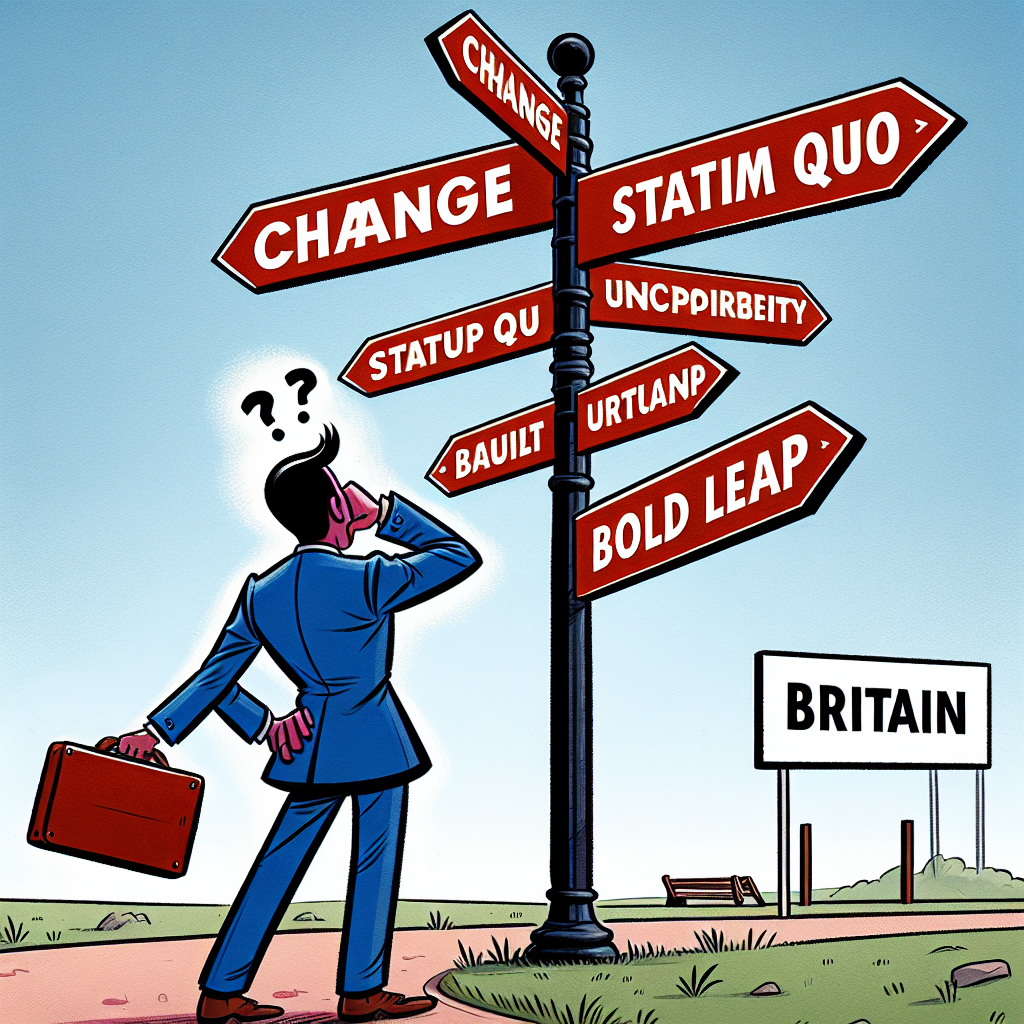
The British government announced a strategic shift in its international aid policy, prioritizing countries affected by conflict while reducing support across Africa and the Middle East. The move follows Prime Minister Keir Starmer's decision to cut the development budget to increase defense spending.
Foreign Secretary Yvette Cooper stated that Britain will allocate 1.4 billion pounds annually over the next three years to areas of highest humanitarian need, with Sudan, Ukraine, Lebanon, and the Palestinian territories receiving continued support. However, aid to other regions will be reduced, marking a shift from donation to investment.
This new approach emphasizes sharing expertise over grants, aiming to help countries build self-sufficiency. Prioritizing women and girls, around 6 billion pounds will target those most affected by climate change. The decision has drawn global attention, with Britain recently ranked as the fourth largest aid donor.
ALSO READ
-
Britain's Steel Backbone: Protecting a National Treasure
-
Britain's Boost to BBC World Service Amid Global Media Challenges
-
Britain's New AI Labeling Proposal: Balancing Creativity and Innovation
-
Rwanda-Britain Refugee Resettlement Dispute: Arbitration Battle at The Hague
-
Meta's Struggle Against Scam Ads in Britain








 Google News