



Nepal's Historic Election: Gen Z Influence and the Future of Governance
Nepal's pivotal election, held following Gen Z's protests, marks a democratic transition. Over 18.9 million voters participated, electing the House of Representatives. The election, conducted peacefully, represents a generational shift focused on good governance and anti-corruption, with political dynamics evolving amidst rising youth activism.
- Country:
- Nepal
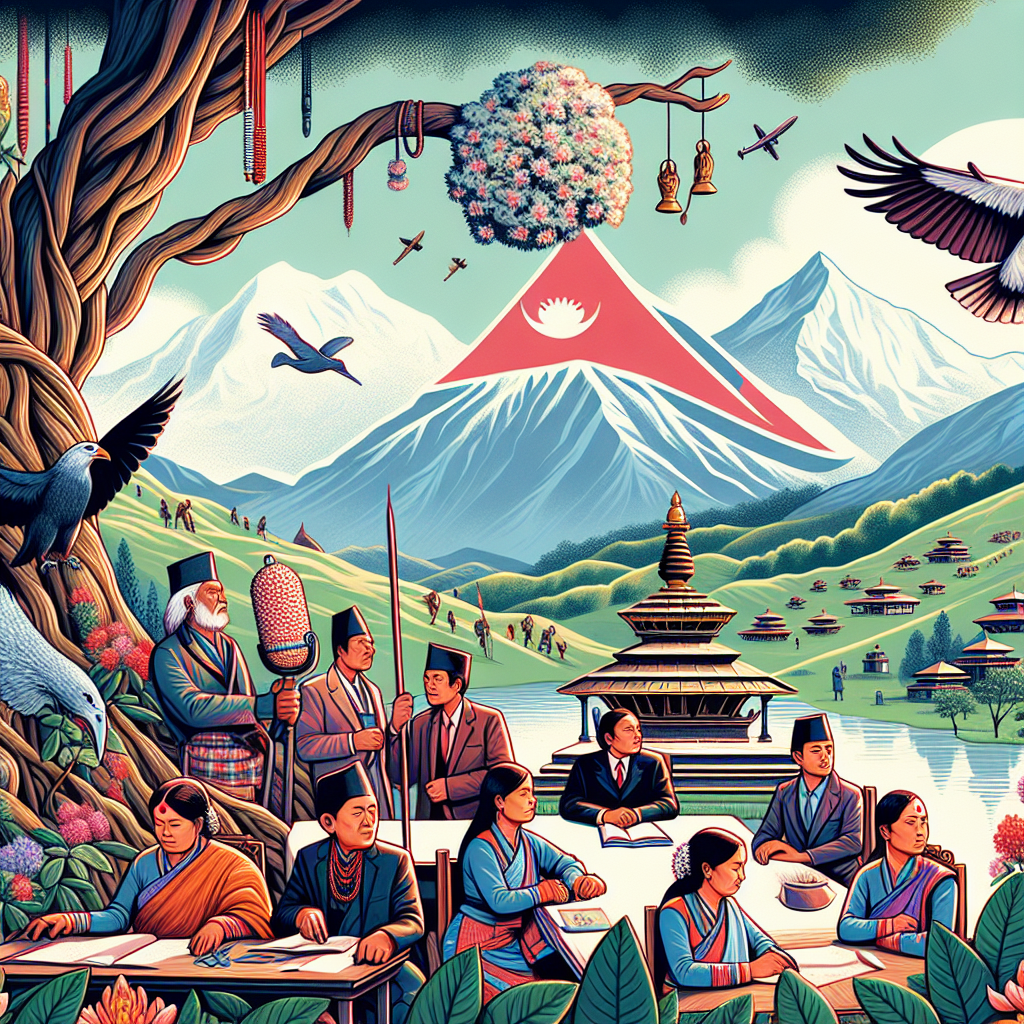
Nepal witnessed a significant political moment as more than 18.9 million voters participated in the national elections, marking a historical shift in governance influenced by the activism of Gen Z. The polls, conducted peacefully across the nation's diverse regions, aimed to elect a new House of Representatives.
The election followed last year's Gen Z-led protests that resulted in the toppling of K P Sharma Oli's government. The youth's demands for change have prompted political shifts, with parties like the Rastriya Swotantra Party and Nepali Congress championing issues of anti-corruption and good governance.
While traditional powers under CPN-UML and NCP maintain their stance, emerging parties are gaining traction. The peaceful conduct of the election signals progress, as leaders like Sushila Karki, Gagan Thapa, and Balendra Shah partake in shaping Nepal's political landscape, addressing critical generational concerns.
ALSO READ
-
Senior Congress Leader Criticizes Kerala's PRD Over Election Ads
-
Nepal's 2026 Elections: A Pivotal Moment for Youth and Democracy
-
The Pivotal French Municipal Elections: A Prelude to the 2027 Presidential Race
-
Nepal's Election Day: A Test of Democracy Amidst Gen Z Uproar
-
Cannes 79th Edition: Anticipation Builds as Official Selection Reveal Approaches








 Google News