



UNHCR Launches Global Dialogue Series to Reinforce Refugee Protection at 75-Year Milestone
“This is not just about reflecting on history,” said Ruven Menikdiwela, UNHCR Assistant High Commissioner for Protection.
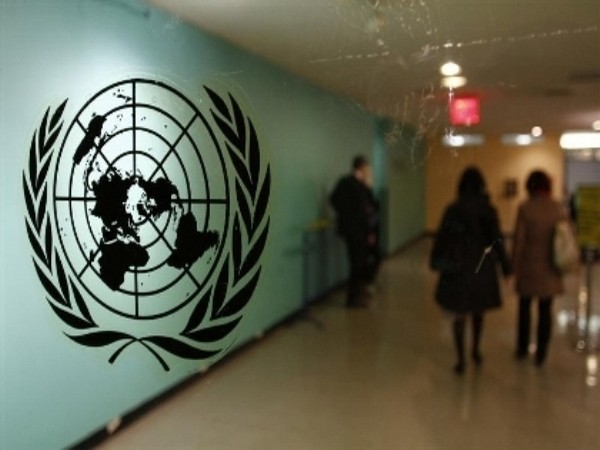
Marking 75 years since the adoption of the landmark 1951 Refugee Convention, the United Nations High Commissioner for Refugees (UNHCR) has launched an ambitious global dialogue process aimed at reshaping and strengthening the future of refugee protection in an increasingly strained global system.
Rather than a symbolic commemoration, UNHCR says 2026 will serve as a turning point year, bringing together governments, civil society, refugees, and international partners to address urgent challenges facing displaced populations worldwide.
"This is not just about reflecting on history," said Ruven Menikdiwela, UNHCR Assistant High Commissioner for Protection. "It is about ensuring the Convention continues to deliver dignity, inclusion, and real opportunities for refugees — while supporting the communities that host them."
A System Under Unprecedented Pressure
The initiative comes at a time when the global asylum system is under severe strain. Record levels of forced displacement, combined with tightening border policies and chronic funding gaps, are testing the resilience of international protection frameworks.
UNHCR warns that:
-
Access to asylum is becoming increasingly restricted in many regions
-
Humanitarian systems are underfunded and overstretched
-
Host countries, often in developing regions, are bearing a disproportionate burden
Against this backdrop, the principles of the 1951 Convention — including the right to seek asylum and protection from refoulement — are seen as more critical than ever.
"For 75 years, the Convention has saved millions of lives," Menikdiwela said. "Now we must ensure it evolves to meet today's realities."
Ten Priority Actions to Shape the Future
At the core of the 2026 dialogue process are ten priority action areas, designed to translate legal commitments into practical solutions.
These include:
-
Strengthening global commitment to the refugee protection framework
-
Improving the fairness and efficiency of asylum systems
-
Managing mixed migration flows through safe and lawful pathways
-
Addressing security concerns while upholding protection standards
-
Expanding access to jobs, education, and family reunification
-
Promoting self-reliance and inclusion within national systems
-
Supporting voluntary return and reintegration
-
Advancing local integration opportunities
-
Strengthening partnerships with states, communities, and stakeholders
-
Ensuring meaningful participation of refugees and stateless persons
UNHCR says these priorities reflect both longstanding gaps and emerging challenges, including complex migration routes and protracted displacement situations.
Bridging Policy and Reality
A key objective of the dialogue series is to close the gap between international legal principles and the lived experiences of refugees.
By incorporating regional perspectives and highlighting successful local initiatives, UNHCR aims to identify scalable solutions that can be adapted across different contexts.
"Too often, commitments remain on paper," officials noted. "This process is about making them work in practice."
Global Process Leading to 2027 Agenda
The consultations will take place throughout 2026 at national, regional, and global levels, culminating in the High Commissioner's Dialogue on Protection in December 2026.
Findings and recommendations from these discussions will directly inform a major policy document:
-
Agenda for the Future of Protection and Solutions, to be released in early 2027
This framework is expected to guide international refugee policy ahead of the next Global Refugee Forum in 2027, where countries will be asked to make concrete pledges.
Public Campaign to Mobilise Global Support
Alongside the policy process, UNHCR is preparing a global communications campaign to raise awareness and mobilise public and political support.
The campaign will launch on World Refugee Day, aiming to:
-
Highlight refugee contributions to societies
-
Reinforce the values of solidarity and shared responsibility
-
Engage new partners, including the private sector and local authorities
Call for Broad Participation
UNHCR is urging a wide range of stakeholders to take part in the dialogue process, including:
-
Governments and policymakers
-
Refugees and stateless individuals
-
Civil society organisations
-
Cities and local authorities
-
Faith-based groups and development partners
-
Private sector actors
"The future of refugee protection depends on collective action," Menikdiwela said. "This anniversary is not just a milestone — it is a call to renew and strengthen our shared commitment."
A Defining Moment for Global Protection
As displacement levels continue to rise globally, UNHCR officials say the 75th anniversary of the Refugee Convention represents a critical opportunity to modernise and reinforce the international protection system.
With outcomes set to shape policy for years to come, the 2026 dialogue process is being framed as one of the most significant global efforts in recent years to safeguard refugee rights.
In a world facing increasing displacement and uncertainty, the challenge now is not only to uphold the legacy of the 1951 Convention — but to ensure it remains relevant, effective, and responsive for generations ahead.








 Google News