



UN Experts Warn of Escalating Attacks on Displaced Palestinians, Alleging Pattern of Forced Displacement
The concerns follow a series of incidents in early March 2026 that underscore the risks faced by civilians seeking refuge.
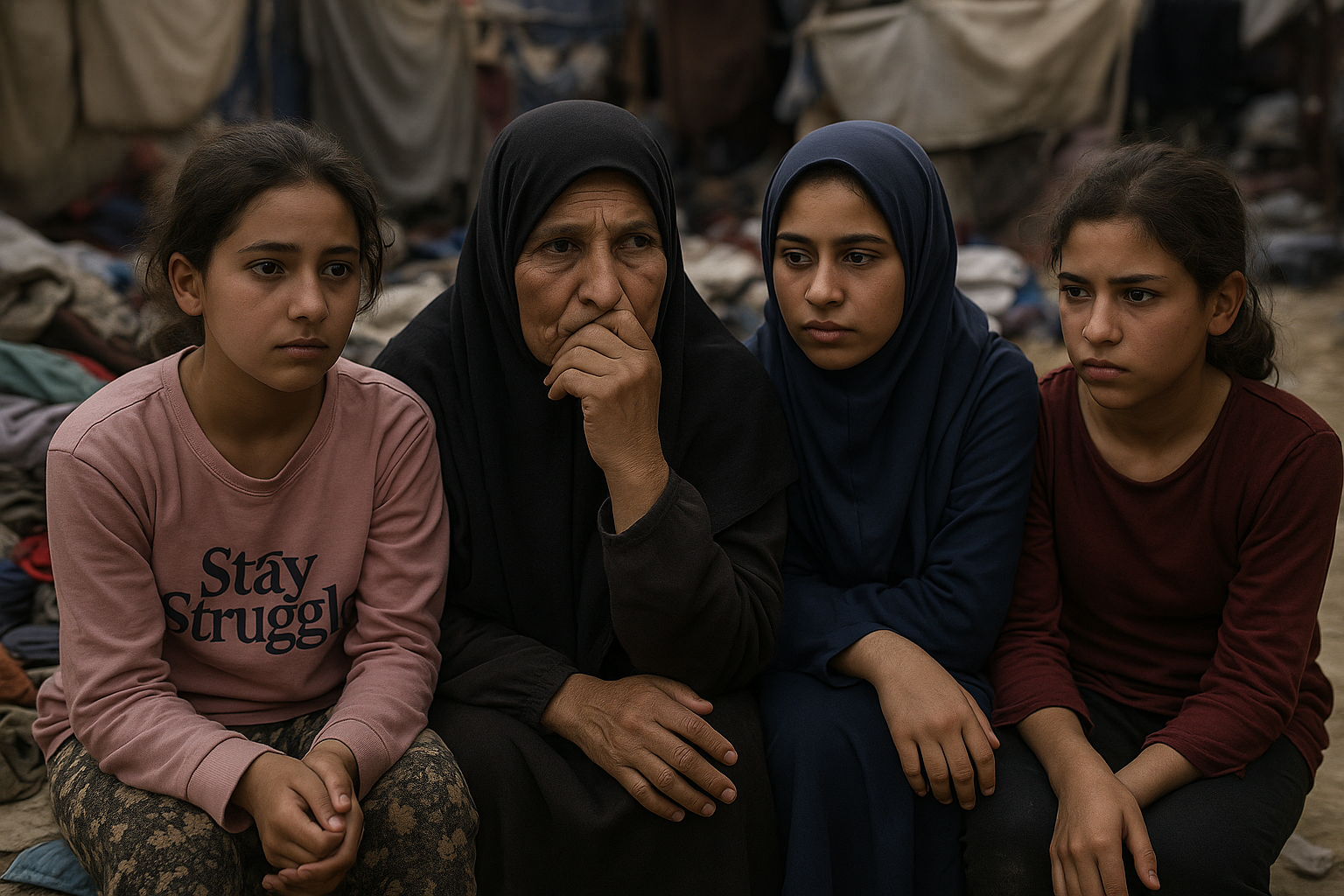
United Nations human rights experts have issued a stark warning over intensifying Israeli military operations impacting displaced Palestinian civilians in Gaza, alongside what they describe as a widening pattern of forced displacement in the occupied West Bank, including East Jerusalem.
In a strongly worded statement, the experts raised alarm over recent strikes on areas sheltering internally displaced persons (IDPs), warning that such actions may constitute serious violations of international humanitarian law.
"Targeting areas known to shelter displaced civilians is a grave breach of international humanitarian law," the experts said, describing a "cycle of displacement, terror, and targeted attacks" that they argue is making conditions increasingly unlivable for Palestinians.
Deadly Strikes Hit Displacement Sites
The concerns follow a series of incidents in early March 2026 that underscore the risks faced by civilians seeking refuge.
On 11 March, an Israeli strike near the Qatari Committee building in western Gaza City sparked a fire that spread rapidly through nearby tent settlements housing displaced families. The same night saw multiple airstrikes and artillery shelling across Gaza, indicating what experts described as a broader pattern of intensified military activity.
Earlier, on 8 March, shelling of IDP tents in As Sawarha killed two women and a young girl and injured at least ten others. Between 7 and 8 March, an airstrike on a residential building in Khan Younis killed a man and his daughter.
"These incidents highlight the extreme vulnerability of civilians who have already been displaced multiple times," the experts said.
Mass Displacement Reaches Critical Levels
According to UN assessments, the scale of displacement in Gaza has reached unprecedented levels. Experts estimate that around 92% of housing across the territory has been damaged or destroyed, forcing the vast majority of the population into repeated displacement.
"Subjected to multiple displacement orders and widespread destruction, most of Gaza's population has already been displaced several times," the statement noted, adding that such conditions may amount to forcible transfer under international law.
Civilians now sheltering in tents and makeshift structures face:
-
Continued exposure to airstrikes and shelling
-
Severe weather risks, including freezing temperatures and flooding
-
Lack of food, water, healthcare, and sanitation
Women and children are bearing the heaviest burden, facing heightened risks of deprivation and harm.
West Bank Displacement Surges Amid Rising Violence
Beyond Gaza, UN experts expressed serious concern about developments in the occupied West Bank, where displacement has surged sharply over the past year.
According to the UN Human Rights Office:
-
More than 36,000 Palestinians were forcibly displaced in 2025
-
Displacement is linked to settlement expansion and escalating violence
Experts allege that these actions are being driven by a combination of military operations and settler violence, resulting in:
-
Killings and injuries
-
Destruction of homes and farmland
-
Harassment of civilians, including women and children
Particular concern was raised over Silwan in East Jerusalem, where Palestinian families face ongoing evictions, demolitions, and the imminent risk of further displacement.
Allegations of Systematic Policy and International Law Violations
UN experts warned that the scale and pattern of events across Gaza and the West Bank point to a broader, coordinated dynamic.
"The scale and pattern of these actions… show once again the ongoing broader policy of ethnic cleansing across the occupied Palestinian territory," they said.
They added that such actions may constitute crimes against humanity, carrying potential individual criminal responsibility under international law.
Calls for Immediate International Action
The statement reiterates previous international legal positions, including:
-
The International Court of Justice's 2024 Advisory Opinion
-
A UN General Assembly Resolution (2024) calling for an end to Israel's presence in the occupied territories by September 2025
UN experts are now urging states to take concrete steps, including:
-
Ensuring immediate protection of civilians, particularly those in displacement sites
-
Scaling up humanitarian assistance in Gaza
-
Pressuring for an end to forcible transfers and evictions
-
Supporting the safe and voluntary return of displaced Palestinians
They also called for the removal of restrictions on humanitarian organisations, including UNRWA and NGOs, to enable full access to affected populations.
Accountability and Legal Obligations
The experts stressed that international accountability mechanisms must be activated to address alleged violations.
"States must comply with their legal obligations," they said. "They must refrain from recognising unlawful situations, withhold assistance, and take effective measures to ensure accountability for grave violations of international law."
A Deepening Humanitarian and Political Crisis
The latest warning comes amid a rapidly deteriorating humanitarian situation in Gaza and rising instability in the West Bank, raising fears of prolonged regional consequences.
With millions already displaced and critical infrastructure destroyed, international observers say urgent intervention is needed to prevent further escalation and human suffering.
As calls for accountability grow louder, the situation remains one of the most pressing and complex humanitarian crises facing the global community today.








 Google News