



Six Months Into Gaza Ceasefire, UN Warns Palestinians Remain Under Constant Threat Amid Israeli Attacks
According to Türk, civilians are being killed merely for being near these zones, despite not participating in hostilities.
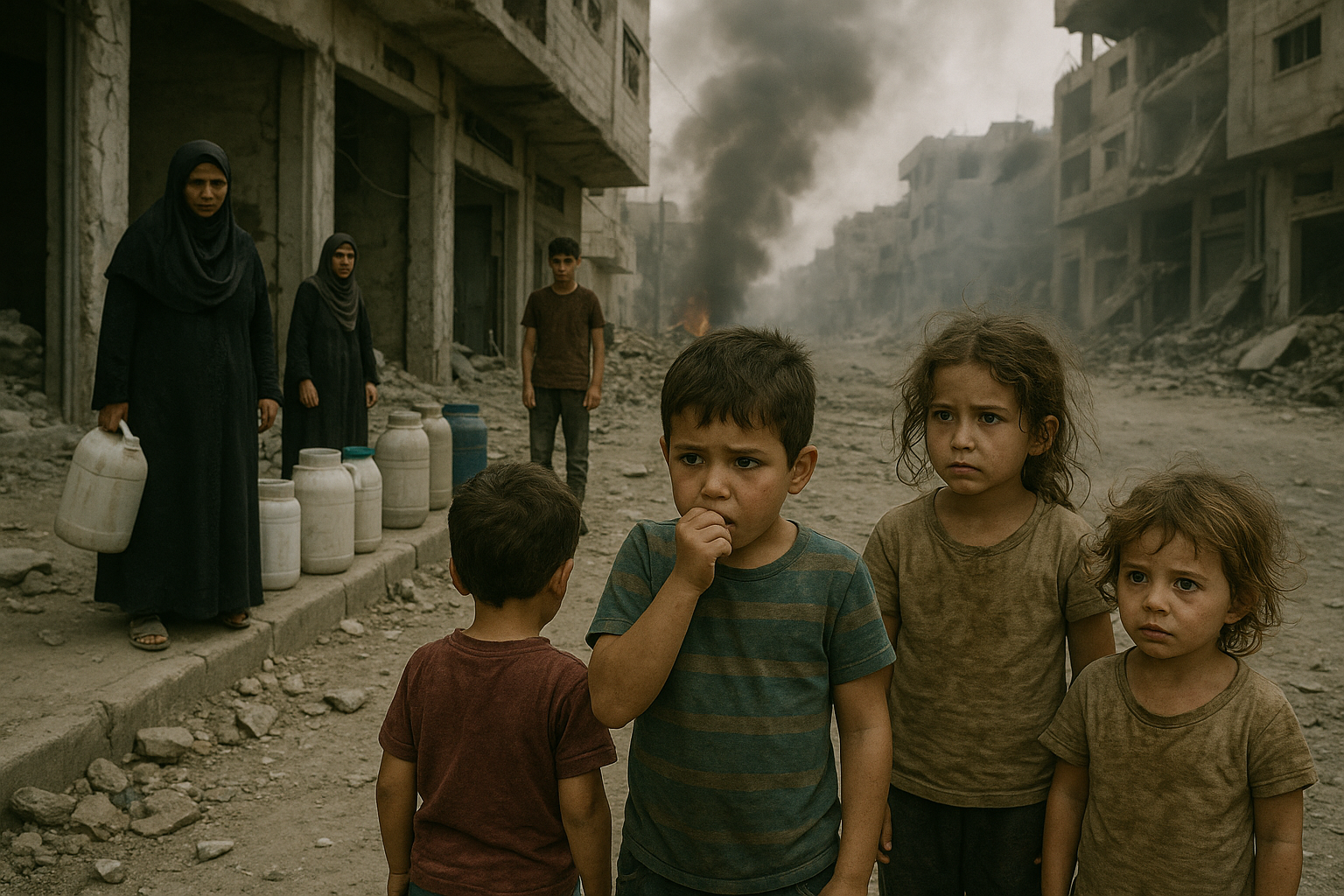
Six months after a ceasefire was announced in Gaza, the situation on the ground remains perilous for Palestinians, with ongoing Israeli military operations continuing to claim civilian lives, according to the United Nations High Commissioner for Human Rights, Volker Türk.
In a stark assessment, Türk warned that the persistence of violence reflects a "continuing disregard for Palestinian lives", underscoring a pattern of killings that has endured despite the formal ceasefire declared on 10 October 2025.
Ceasefire in Name Only
Data from the Palestinian Ministry of Health indicates that at least 738 Palestinians have been killed since the ceasefire came into effect, including 32 deaths recorded since early April alone. Daily incidents involving airstrikes, gunfire, and shelling continue to be reported across the Gaza Strip.
"For the past 10 days, Palestinians are still being killed and injured in what is left of their homes, shelters and tents… on the streets, in vehicles, at a medical facility and a classroom," Türk said, highlighting the absence of any safe space for civilians.
Victims include women, children, journalists, humanitarian workers, and persons with disabilities, illustrating the indiscriminate nature of the violence.
Civilians and Journalists Among the Dead
Recent incidents underscore the gravity of the situation:
-
On 9 April, Ritaj Rihan, a third-grade student, was killed when Israeli forces opened fire on a tent encampment serving as a makeshift classroom in Beit Lahiya, North Gaza.
-
On 8 April, an Israeli drone strike killed Al Jazeera journalist Mohamed Washah in Gaza City. Israel later claimed he was affiliated with Hamas—a justification frequently cited in similar cases, though often lacking independently verifiable evidence.
Washah's death marks the 294th Palestinian journalist killed since 7 October 2023, according to the UN Human Rights Office—an unprecedented toll that has severely restricted independent reporting from the enclave, especially as Israel continues to bar international journalists from entering Gaza.
Aid Workers Targeted as Humanitarian Crisis Deepens
The humanitarian situation has further deteriorated with the targeting of aid workers. On 6 April, Israeli forces reportedly opened fire on a vehicle transporting World Health Organization personnel, killing the driver.
Since October 2023, 589 aid workers have been killed in Gaza, including 397 UN staff members, making it one of the deadliest conflicts for humanitarian personnel in modern history.
Türk emphasized the implications:
"The number of journalists and humanitarian personnel killed in Gaza is unprecedented… it makes reporting on the situation and responding to its humanitarian implications life-threatening."
He added that even basic movement has become a смертельно dangerous activity, with Palestinians frequently killed while walking, driving, or simply standing outside.
"Yellow Line" Killings Raise Legal Concerns
The UN has also raised alarm over killings linked to proximity to the so-called "yellow line"—a shifting and poorly defined Israeli military deployment boundary within Gaza.
According to Türk, civilians are being killed merely for being near these zones, despite not participating in hostilities.
"Targeting civilians not taking direct part in hostilities is a war crime, regardless of their proximity to deployment lines," he stressed.
Systemic Breakdown of Civilian Protection
Beyond direct violence, the crisis has been compounded by:
-
Severe restrictions on humanitarian aid entry and distribution
-
Widespread destruction of civilian infrastructure
-
Targeting of local governance and law enforcement systems
-
Rising violence involving Palestinian armed groups, reportedly with indirect Israeli backing
These conditions have left Gaza's population in what Türk described as a state of complete insecurity and uncertainty.
"Palestinians have no blueprint for survival: whatever they do or don't do… there is no safety or protection afforded to them."
Calls for Accountability and Global Action
Over the past six months alone, more than 2,000 Palestinians have been injured, adding to what the UN describes as two-and-a-half years of repeated violations of international law.
Türk called on the international community to move beyond statements and take "meaningful action" to:
-
End ongoing violations of international law
-
Ensure accountability for crimes committed by all parties
-
Facilitate reconstruction and recovery efforts in Gaza
A Fragile Pause, Not Peace
While the October ceasefire initially raised hopes for de-escalation, the continued violence suggests a fragile and incomplete truce—one that has failed to deliver safety or stability for Gaza's civilian population.
As the humanitarian toll rises and legal concerns deepen, the UN's warning is clear: without accountability and sustained international intervention, the cycle of violence is likely to persist.








 Google News