



Nearly 2 Million Somali Children Face Acute Malnutrition Amid Conflict and Funding Shortfalls
Following a field mission to Somalia, UNICEF Executive Director Catherine Russell issued a stark warning, describing a rapidly deteriorating situation where “all warning signs are flashing red.”
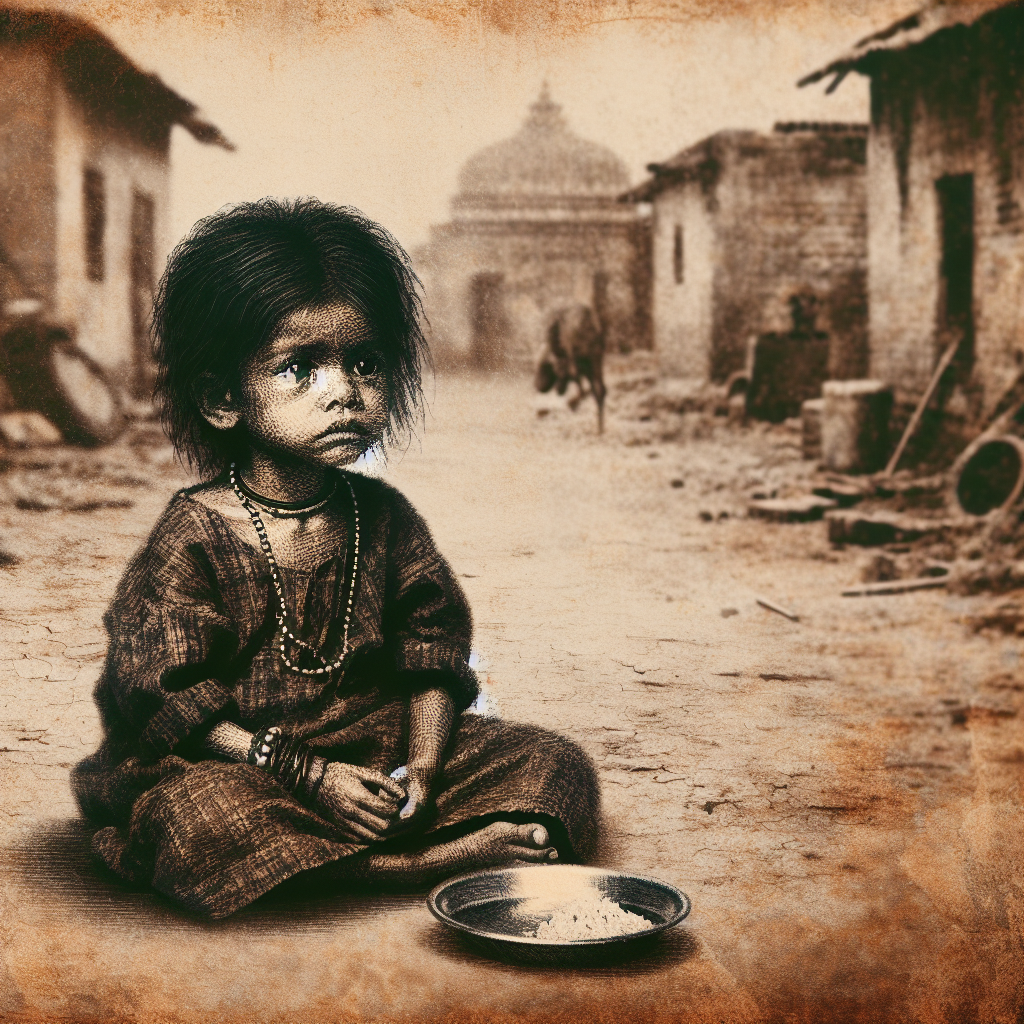
Somalia is on the brink of a worsening humanitarian catastrophe, with nearly 2 million children at risk of acute malnutrition, as a convergence of drought, conflict, economic shocks, and severe funding gaps pushes the country's most vulnerable populations to the edge.
Following a field mission to Somalia, UNICEF Executive Director Catherine Russell issued a stark warning, describing a rapidly deteriorating situation where "all warning signs are flashing red."
Multiple Crises Converging Into a Perfect Storm
Somalia's crisis is being driven by a combination of overlapping shocks:
-
Prolonged drought, with failed rains devastating crops and livestock
-
Ongoing conflict and displacement, limiting access to aid
-
Severe funding cuts, forcing closure of critical services
-
Global supply disruptions, worsened by escalating conflict in the Middle East
The ripple effects of global instability are now being felt acutely in Somalia, a country heavily dependent on imports.
Transporting essential supplies—food, medicine, fuel, and water—has become significantly more expensive, placing additional strain on already fragile humanitarian operations.
Water Crisis at the Core of Emergency
Water scarcity remains one of the most severe drivers of the crisis.
-
Rivers are drying up
-
Boreholes are failing
-
Local water sources are becoming unreliable
In drought-affected areas, water prices have more than doubled, driven by scarcity and rising fuel costs for transportation.
This has triggered mass displacement, as families abandon their homes in search of water and food, further increasing vulnerability to disease, malnutrition, and poverty.
Health System Collapse Threatens Lives
The crisis is being compounded by the collapse of essential health and nutrition services:
-
Over 400 health and nutrition facilities have shut down in the past year
-
More than 125 nutrition centres providing life-saving treatment have closed
-
Many closures are in the hardest-hit, food-insecure districts
Without urgent funding, more facilities are expected to shut down, leaving:
-
Pregnant women without maternal care
-
Children without vaccinations
-
Severely malnourished children without treatment
"The people are incredibly resilient but they need more support right now," Russell said after visiting Dollow, where she witnessed rows of malnourished children in critical condition.
Escalating Hunger and Malnutrition
Even before the latest shocks, Somalia was already facing a severe food crisis:
-
Nearly 3 million children require urgent humanitarian assistance
-
Up to 6.5 million people could face crisis or emergency levels of food insecurity
-
More than 1.8 million children under five are projected to suffer acute malnutrition by the end of the year
These figures underscore the scale of the emergency and the urgency of intervention.
Human Stories Behind the Crisis
During her visit, Russell met families struggling to survive under extreme conditions.
One mother, Habiba, had lost her livestock and crops due to drought. She walked seven days to reach Dollow in search of treatment for her malnourished children—an example of the desperate measures families are taking to access basic care.
Aid Deliveries at Risk
UNICEF currently has $15.7 million worth of supplies in transit, including:
-
Therapeutic nutrition for malnourished children
-
Vaccines
-
Insecticide-treated bed nets to prevent malaria
However, ongoing instability in global supply chains—linked in part to the Middle East conflict—threatens to delay deliveries or increase costs, potentially limiting the reach of life-saving aid.
Funding Gap Threatens Response
UNICEF has appealed for $121 million in 2026 to address the crisis, but so far less than $20 million has been received—a shortfall that risks undermining the entire humanitarian response.
This funding gap is already having visible consequences, including service closures and reduced outreach in high-need areas.
From Emergency Relief to Long-Term Resilience
While responding to immediate needs, UNICEF is also working with partners to build long-term resilience, focusing on:
-
Sustainable water systems
-
Nutrition programmes
-
Social protection mechanisms
-
Climate adaptation strategies
These efforts aim to help communities better withstand recurring shocks, particularly as climate change intensifies drought cycles.
A Race Against Time
"For the children of Somalia, every dollar and every minute counts," Russell stressed.
The crisis highlights a broader global challenge—how interconnected shocks, from climate change to geopolitical conflict, can compound vulnerabilities in fragile states.
Without urgent international support, Somalia risks sliding deeper into a humanitarian disaster, with millions of children facing life-threatening conditions.
A Call for Global Action
UNICEF's message is clear: immediate funding, sustained humanitarian access, and long-term investment are essential to prevent further deterioration.
Beyond aid, the organisation emphasised that lasting solutions require peace, protection, and access to essential services—the foundations for rebuilding communities and securing the future of Somalia's children.








 Google News