



UN Experts Urge Pakistan–Afghanistan Ceasefire After Deadly Escalation and Legal Concerns
The appeal comes after the collapse of an October 2025 ceasefire and renewed hostilities that erupted in late February 2026.
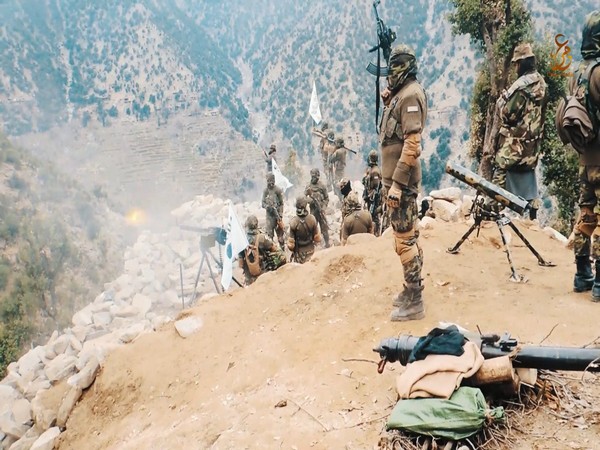
United Nations human rights experts have called on Pakistan and Afghanistan's de facto authorities to immediately declare a ceasefire and pursue a lasting peace agreement, following a sharp escalation in cross-border violence that has left hundreds of civilians dead, injured, and displaced.
The appeal comes after the collapse of an October 2025 ceasefire and renewed hostilities that erupted in late February 2026.
Rising Civilian Toll and Widespread Displacement
Since 26 February 2026, the conflict has resulted in:
-
At least 289 civilian casualties in Afghanistan, including 76 killed and 213 injured
-
More than 115,000 people displaced
-
Extensive damage to homes, medical facilities, markets, and displacement sites
The violence has also disrupted daily life, with:
-
Schools closed
-
Borders shut
-
Trade suspended
UN experts warned that the humanitarian situation is deteriorating rapidly.
Deadly Airstrike and Cross-Border Attacks
Particular concern was raised over a 16 March Pakistani airstrike that struck a drug rehabilitation facility, reportedly killing and injuring hundreds.
"We condemn this attack and express our deepest condolences," the experts said.
They also highlighted civilian casualties linked to Taliban attacks Pakistan, alongside further displacement and disruption in affected regions.
Escalation Timeline: From Retaliation to Offensive
The latest conflict follows a rapid escalation:
-
21–22 February: Pakistan conducted airstrikes targeting Tehreek-e-Taliban Pakistan (TTP) camps
-
26 February: Afghan طالبان authorities launched retaliatory border attacks
-
27 February: Pakistan escalated with a broader offensive targeting Kabul, Kandahar, and multiple locations
Pakistan maintains its actions were in response to alleged Taliban support for the TTP—an assertion denied by Afghan authorities.
Legal Concerns Over Use of Force
UN experts raised serious concerns regarding the legality of Pakistan's military actions under international law.
They stated:
-
The attacks may violate the UN Charter's prohibition on the use of force (Article 2)
-
There is no valid claim of self-defence without clear evidence of direct attack or control by Afghan authorities
-
Pakistan has not presented credible evidence linking Taliban authorities to TTP operations
They also noted that Pakistan has not formally notified the UN Security Council of a self-defence claim, as required under international law.
"The unlawful use of force means that Pakistan has violated the human right to life," the experts said.
Obligations on Both Sides
The experts emphasized that both parties bear responsibility for protecting civilians and adhering to international law.
Key obligations include:
-
Respect for international humanitarian law and human rights law
-
Protection of civilian populations and infrastructure
-
Prevention of terrorist activities within their territories
-
Accountability for violations through independent and transparent investigations
"All authorities, including the Taliban, must prevent terrorist groups like the TTP from threatening lives," the experts said.
Call for Accountability and Justice
The UN experts urged:
-
Prompt investigations into alleged violations
-
Accountability for perpetrators
-
Remedies for victims
They stressed that counter-terrorism measures must remain fully compliant with international law.
Push for Diplomatic Resolution
Highlighting the risk to regional stability, the experts called for a peaceful resolution to the conflict, in line with international legal obligations.
"Under international law, disputes that endanger international security must be resolved through peaceful means," they said.
They also encouraged the use of:
-
Diplomatic engagement
-
Confidence-building measures
-
Lawful and proportionate responses to security threats
Background: Escalating Tensions Since 2021
Violence linked to the TTP has intensified in Pakistan since 2021, with:
-
Hundreds of deaths in 2025
-
Tens of thousands displaced
Previous cross-border strikes in October 2025 had already strained relations, before a temporary ceasefire was reached.
UN Engaging Both Sides
The experts confirmed they are in ongoing communication with both the Government of Pakistan and Afghanistan's de facto authorities to address the situation.
A Critical Moment for Regional Stability
With civilian casualties mounting and legal questions intensifying, the UN warning underscores the urgent need to de-escalate tensions and prevent further humanitarian fallout.
"States must protect their populations—but always within the bounds of international law," the experts said.
ALSO READ
-
Gold Shines Amid Weak Dollar and Ceasefire Hopes
-
U.S. Stock Futures Rise Amid Ceasefire Hopes in U.S.-Iran Conflict
-
Markets Rally Amid Iran Ceasefire Hopes: Gains in Chinese and Hong Kong Stocks
-
US Proposes Ceasefire Plan to Iran Amid Rising Tensions
-
Iran has received the 15-point US ceasefire proposal, The Associated Press reported quoting two Pakistani officials.








 Google News