



ILO Pushes DigiGreen Skills Drive to Prepare Filipino Youth for Future of Construction
“The challenges and opportunities from the twin digital and green transitions are felt much more in the Philippines,” said Khalid Hassan, Director of the ILO Country Office.
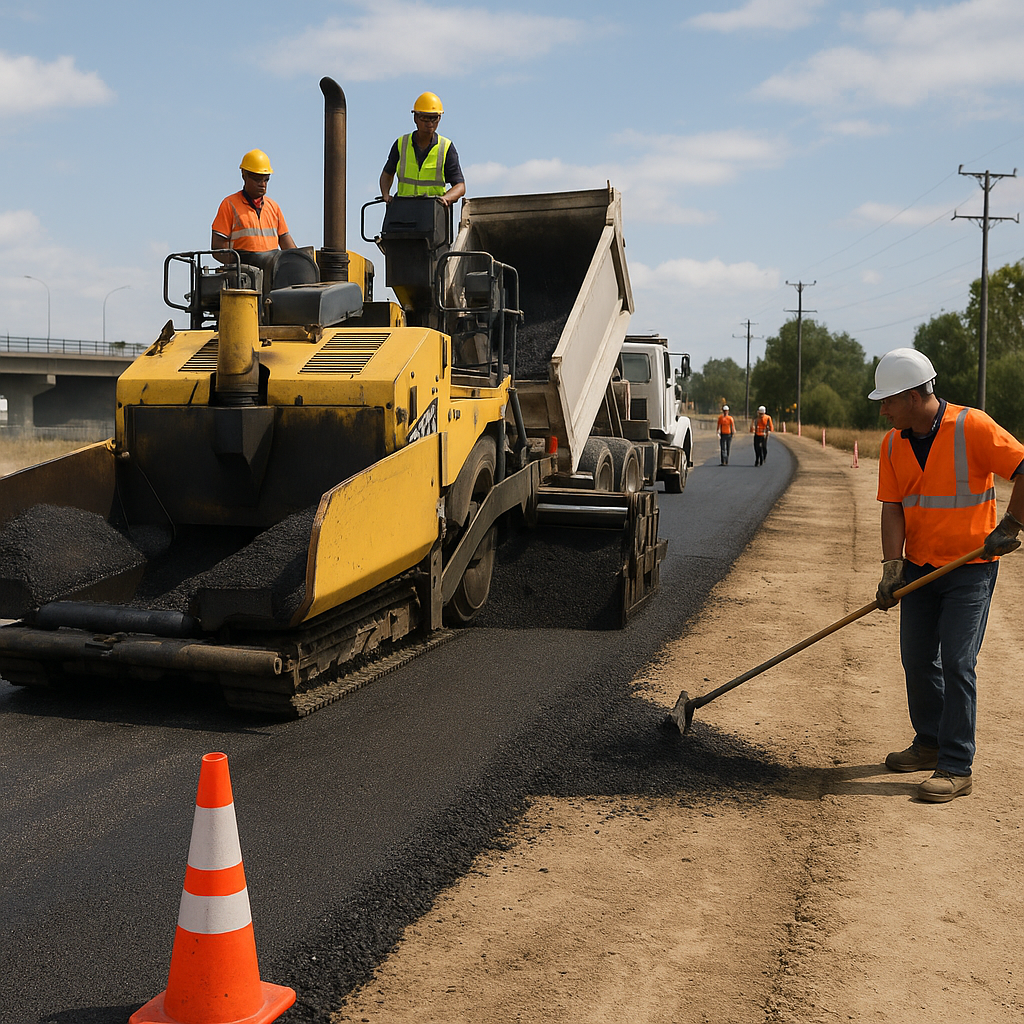
As the Philippines' construction sector undergoes a rapid transformation driven by digitalization and climate imperatives, the International Labour Organization (ILO) is spearheading a major initiative to equip young workers with the skills needed to stay relevant in a changing industry.
At a high-level DigiGreen construction skills partnership forum held on 25 March 2026, government agencies, industry leaders, and training institutions aligned on a common goal: preparing Filipino youth for decent, future-ready employment in construction.
Twin Transition Creating Urgent Skills Gap
The construction sector—one of the Philippines' largest employers—is facing what experts describe as a "twin transition":
-
Adoption of digital technologies
-
Shift toward environmentally sustainable construction practices
While these changes promise higher productivity and greener infrastructure, they also risk widening inequality if workers are not equipped with the right skills.
"The challenges and opportunities from the twin digital and green transitions are felt much more in the Philippines," said Khalid Hassan, Director of the ILO Country Office. "We must ensure training is accessible, especially for youth from low- to medium-skill backgrounds."
BIM and Green Skills Move to the Core
At the centre of the initiative are two critical skill areas that are rapidly becoming global industry standards:
Building Information Modeling (BIM)
A digital system that enables smarter design, construction, and lifecycle management of buildings, improving efficiency and reducing costs.
Green Construction Skills
Techniques and practices focused on energy efficiency, sustainable materials, and reduced environmental impact.
BIM is already mandatory in major infrastructure projects in countries like Singapore, South Korea, and Dubai, signalling where global construction standards are headed.
"BIM and green construction are key entry points for improving youth employment in this sector," said Hochul Shin, Chief Technical Adviser of the ILO/Korea Partnership Programme.
Unlocking Better Jobs for Young Workers
For Filipino youth, the shift represents a significant opportunity to move beyond traditional, often unstable construction roles.
With DigiGreen skills, young workers can access:
-
Higher-paying, specialised roles
-
Long-term career pathways
-
Jobs aligned with global construction standards
This transition is expected to improve both job quality and workforce resilience.
From Training to Employment: Institutional Alignment
A major outcome of the forum was the formal handover of training modules to key national institutions, ensuring that skills development is directly linked to employment opportunities.
Partner institutions include:
-
Department of Labor and Employment (DOLE)
-
Technical Education and Skills Development Authority (TESDA)
-
Construction Manpower Development Foundation (CMDF)
-
Philippine Constructors Association (PCA)
This coordinated approach aims to bridge the long-standing gap between training systems and industry demand.
ASEAN-Wide Effort to Future-Proof Workforce
The initiative forms part of the ILO/Korea Partnership Programme's "Advancing Digital and Green Skills for Youth in ASEAN" project, which seeks to prepare the region's workforce for emerging economic shifts.
By embedding DigiGreen skills into national training systems, the programme aims to:
-
Strengthen regional competitiveness
-
Support sustainable infrastructure development
-
Create inclusive employment opportunities
Building a Resilient and Inclusive Industry
Stakeholders at the forum emphasised that investing in youth skills today is essential for ensuring the construction sector remains resilient, productive, and environmentally sustainable.
Without intervention, the sector risks:
-
Growing skills mismatches
-
Increased youth unemployment
-
Slower adoption of green and digital innovations
A Defining Moment for the Sector
As the Philippines accelerates infrastructure development while pursuing climate goals, the success of its construction sector will depend heavily on the readiness of its workforce.
"This is about more than skills—it's about inclusion and opportunity," stakeholders noted. "Equipping young people today will define the industry of tomorrow."
ALSO READ
-
Philippines Seeks U.S. Exemptions for Oil Amid Energy Crisis
-
South Korean 'Drug Lord' Extradited from the Philippines: A Cross-Border Crackdown
-
Philippines Seeks U.S. Sanctions Waivers for Oil Imports Amid Energy Crisis
-
Philippines Seeks Oil Supply Waivers from U.S. Sanctioned Nations
-
Philippines Declares Energy Emergency Amidst Middle East Tensions








 Google News