



Ground Impact of ILO Projects on Child Labour and Women’s Empowerment in India
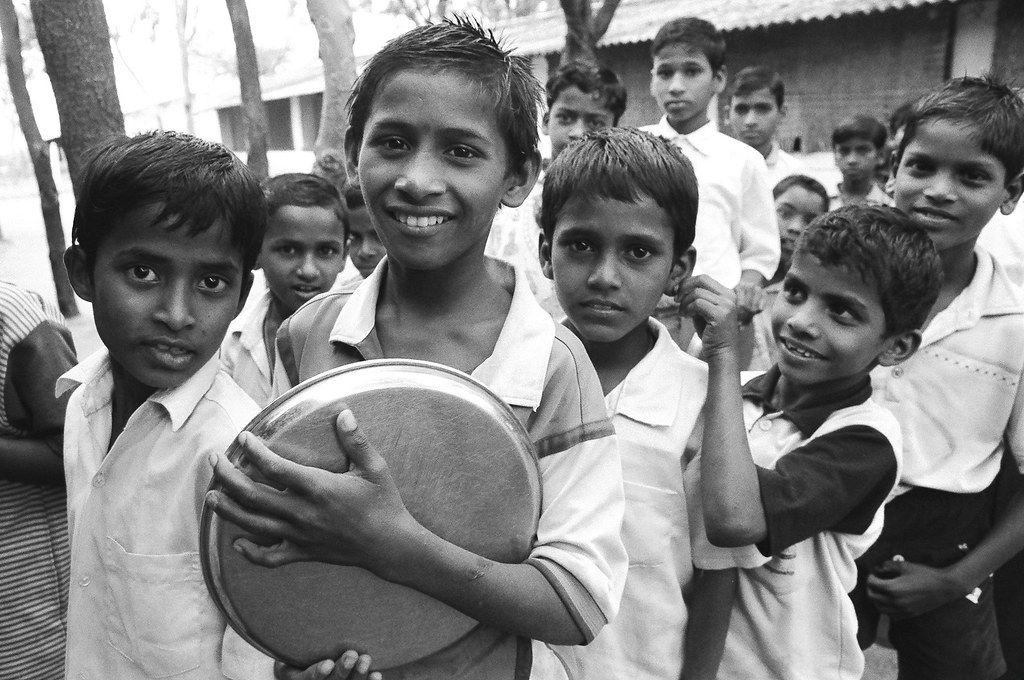
In Koderma, Jharkhand—India’s largest mica-producing region, the delegation observed efforts to combat child labour in a sector historically linked to exploitation.
- Country:
- India
A high-level delegation from Japan has concluded a four-day visit to India, observing first-hand the transformative impact of International Labour Organization (ILO)-supported initiatives aimed at eliminating child labour, promoting formal employment, and advancing gender equality.
The visit, held from 10–13 March 2026, underscores growing international collaboration in tackling labour vulnerabilities across India's informal economy.
Strengthening India–Japan–ILO Partnership
The delegation was led by senior officials from Japan's Ministry of Health, Labour and Welfare, including:
-
Akiro Yoshida, Deputy Assistant Minister, International Affairs Division
-
Yusuke Tsujikawa, Deputy Director, International Affairs Division
Accompanied by Indian government representatives, employers, and trade unions, the delegation visited project sites in Jharkhand and Bihar, engaging directly with workers and beneficiaries.
Mr Yoshida praised the initiatives, highlighting that local government support and stakeholder collaboration are critical to success. He also noted that the projects have enhanced Japan's visibility in international labour development efforts.
Tackling Child Labour in Mica Supply Chains
In Koderma, Jharkhand—India's largest mica-producing region, the delegation observed efforts to combat child labour in a sector historically linked to exploitation.
Through the ILO-supported Workers' Information Support Centre (WISC):
-
Workers—primarily women—are accessing social protection schemes
-
Grievance redress mechanisms are improving accountability
-
Union membership is strengthening workers' collective voice
To address child labour risks, the Regional Child Labour Project for South Asia (PPLL) has:
-
Established children's clubs promoting education and awareness
-
Facilitated the rehabilitation and reintegration of child labourers into schools since 2024
-
Partnered with civil society to strengthen community-level prevention
These interventions are helping shift vulnerable households away from dependence on child labour.
Women Driving Economic Change in Bihar
In Patna, the delegation met a group of former domestic workers who have transitioned into entrepreneurship through ILO-backed support.
After receiving training under the Promoting Rights and Social Inclusion through Organization and Formalization (PRS) Phase 2 Project, in collaboration with the Indian National Trade Union Congress (INTUC), the women:
-
Launched a tiffin and home-cooked meal service
-
Are working toward forming Bihar's first state-level women's cooperative
This model reflects how collective organisation and skill development can enable sustainable livelihoods and financial independence for women in the informal sector.
Policy-Level Impact and Labour Reforms
The PRS Project has contributed to broader systemic changes in Bihar, including:
-
16.4% increase in minimum wages for domestic workers
-
Establishment of a state helpline for unorganised workers
-
Improved occupational safety standards
-
Expanded access to grievance redress systems
"Our collaboration with the ILO… has brought tangible progress in advancing decent work and formalization," said Deepak Anand, Secretary of Bihar's Labour Resources and Migrant Workers Welfare Department.
Building Inclusive and Formal Labour Systems
ILO officials emphasised that the visit reflects the strength of multi-level partnerships across government, employers, and worker organisations.
"By giving women access to knowledge, skills, social protection, and collective solidarity, we place them at the centre of sustainable development," said Michiko Miyamoto, Director of the ILO Country Office for India.
A Dual-Focus Strategy: Child Protection and Formalization
The two Japan-funded initiatives demonstrate a complementary approach:
-
PPLL Project: Targets elimination of child labour in critical mineral supply chains across India and Nepal through enforcement, awareness, and education
-
PRS Project: Focuses on formalising informal workers, especially women, through cooperative models, legal protections, and economic empowerment
Together, they address both root causes of vulnerability and pathways to long-term economic inclusion.
A Model for Regional and Global Replication
The visit highlights how targeted international cooperation can deliver measurable outcomes on the ground, from reducing child labour to enabling women-led enterprises.
As India continues to grapple with challenges in its vast informal workforce, such initiatives offer a scalable model for inclusive growth, combining policy reform with grassroots intervention.








 Google News