



Digital Agriculture Project Transforming Rural Jobs and Skills in Albania
The initiative was showcased at the ILO Innovation Day on 3 March 2026 as a leading example of how digital transformation can reshape traditional sectors and expand economic opportunities.
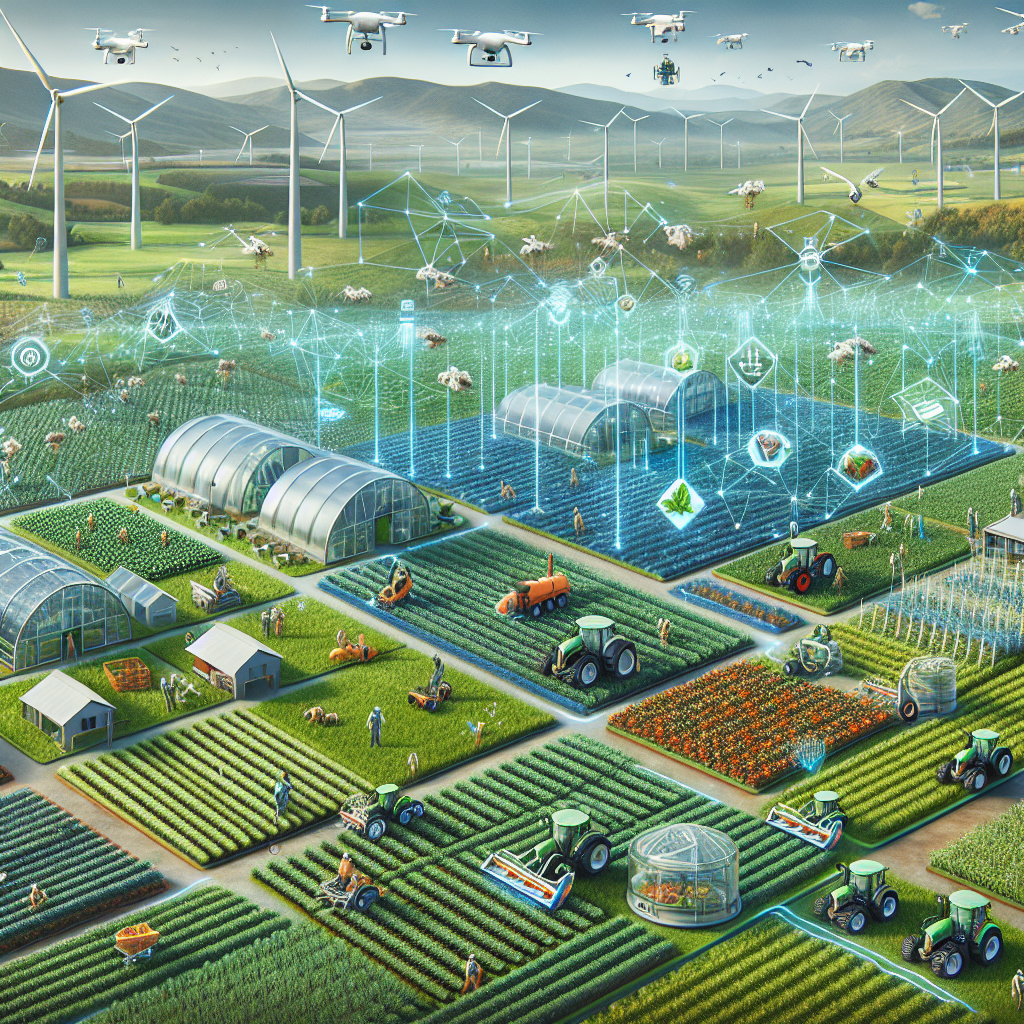
- Country:
- Albania
Agriculture remains a vital pillar of Albania's rural economy, but many rural communities continue to face barriers such as digital exclusion, limited access to technology, and evolving labour market demands. A new initiative led by the International Labour Organization (ILO) is working to address these challenges by combining digital innovation with skills development and institutional reform.
The Digital Agriculture and Rural Transformation in Albania (DART) project, implemented by the ILO in partnership with the Food and Agriculture Organization (FAO) and the International Telecommunication Union (ITU), aims to modernize Albania's agricultural sector while creating new pathways to decent work and sustainable rural livelihoods.
The initiative was showcased at the ILO Innovation Day on 3 March 2026 as a leading example of how digital transformation can reshape traditional sectors and expand economic opportunities.
Digital Transformation Beyond Technology
According to Earli Shima, ILO Project Coordinator, the success of digital agriculture depends on more than simply introducing new technologies.
"Digital technology alone is not enough," Shima said. "We must ensure that policies, institutions and people move in tandem so that digital agriculture translates into real opportunities — skills, decent work and sustainable rural livelihoods."
The DART project therefore focuses on aligning technology adoption with skills development and institutional support, ensuring that digital transformation benefits rural communities.
A Multi-Level Approach to Skills and Innovation
The project promotes digital transformation across three key levels:
Policy Level
• Supporting national strategies based on skills anticipation and labour market needs• Encouraging tripartite cooperation between government, employers and workers• Aligning policies with future labour market demands
Institutional Level
• Strengthening education and training institutions• Supporting Sector Skills Committees• Enhancing the ability of agricultural agencies to respond to technological change
Individual Level
• Training farmers, youth and rural workers in digital agriculture skills• Promoting lifelong learning and innovation in rural areas
Strengthening Albania's Digital Agriculture Platform
A key component of the project is the development of an enhanced national digital platform for farmers, which integrates multiple services into a single digital hub.
The platform provides:
• Soil and climate data for agricultural planning• Access to training and educational resources• Market information and price data• Information on funding and investment opportunities
This digital portal is designed to help farmers make data-driven decisions and improve productivity.
High-Tech Tools in Agricultural Education
The DART initiative is also introducing advanced technology into agricultural education and vocational training institutions.
Students are gaining access to modern tools such as:
• Soil sensors for precision agriculture• Haematology analysers for animal health monitoring• Digital endoscopes for veterinary diagnostics• Virtual reality headsets for immersive training• Smartboards and digital learning systems
These technologies ensure that training programmes reflect current labour market demands and modern agricultural practices, benefiting hundreds of students.
Changing Perceptions of Agriculture
One of the project's key achievements is helping transform how agriculture is perceived by younger generations.
In many rural communities, agriculture has traditionally been viewed as manual, low-income work. By integrating digital technologies and innovation, the DART project is repositioning the sector as a modern, technology-driven career path.
These changes are encouraging youth, women and rural workers to view agriculture as a viable and productive profession.
Promoting Inclusion and Equal Opportunities
The project places strong emphasis on gender equality and social inclusion, ensuring that digital transformation benefits all segments of society.
DART promotes:
• Greater participation of women in agriculture and digital training• Inclusion of persons with disabilities• Expanded access to productive employment opportunities in rural areas
Supporting a Human-Centred Future of Work
The initiative reflects the ILO's human-centred approach to the future of work, which prioritizes people, skills and social dialogue in the transition to new technologies.
By promoting lifelong learning, digital skills development and collaborative policymaking, the project aims to ensure that digital agriculture contributes to sustainable rural development and decent work.
"Technology alone does not determine outcomes," Shima emphasized.
"Innovation matters when it works for people. At the ILO, we strive to leverage new technologies for decent work."
A Model for Digital Rural Transformation
As Albania aligns its development strategies with International Labour Standards, European Union policies and the Sustainable Development Goals, the DART project is emerging as a model for digital transformation in rural economies.
By integrating technology, education, and inclusive policies, the initiative demonstrates how digital agriculture can empower rural communities, strengthen livelihoods and ensure no one is left behind in the digital age.








 Google News