



On Trial: The Global Justice Gap Facing Women and Girls
For women, injustice often unfolds not only in criminal courts but in civil and administrative systems — family law, housing disputes, employment cases and immigration proceedings.
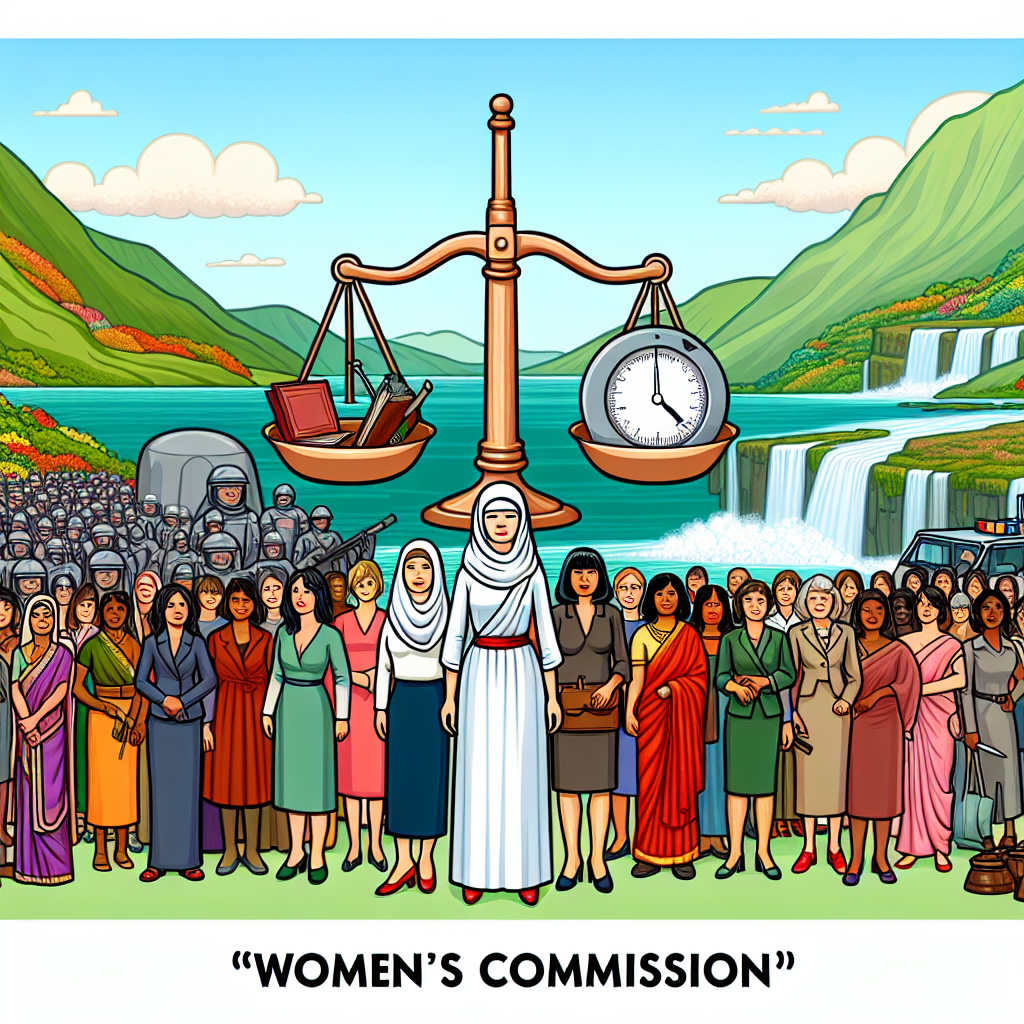
Around the world, millions of women and girls live with violence, discrimination and abuse — and an even harsher truth: justice is often out of reach.
A rape case stalls before it reaches court. A workplace harassment complaint disappears without consequence. A woman reports abuse, only to leave a police station without protection and return home at greater risk. Unequal pay, inheritance barriers and land rights restrictions quietly strip away economic independence.
Laws may exist. But laws alone do not deliver justice.
When justice systems fail to protect women and girls — fail to listen, fail to act — violence spreads and impunity takes root.
This explainer puts that failure on trial.
The Charge: Impunity Against Women and Girls
Impunity exists when harm happens without consequences.
It is present when:
-
Perpetrators are not held accountable.
-
Survivors are denied protection or redress.
-
Laws exist on paper but fail in practice.
-
Laws themselves discriminate against women.
No country in the world has achieved full legal equality for women. In every region, laws still treat women and men differently — determining who is believed, who is protected and whose voice carries weight.
Impunity does not operate only in courtrooms. It thrives in narratives that minimise violence, question survivors' credibility and excuse perpetrators.
Exhibit A: Barriers to Justice
For many women and girls, seeking justice is itself a risk.
Common barriers include:
Fear – of retaliation, stigma, or disbelief.
Silence – enforced by family, community or authorities.
Cost – legal fees, transport, lost income and childcare.
Lack of legal aid – without representation, navigating justice systems is overwhelming.
Complex bureaucracy – fragmented institutions, delays and red tape that retraumatise survivors.
Bias and discrimination – embedded in policing, courts and media coverage.
Backlash – survivors may face blame, ostracism or further violence.
For women facing intersecting discrimination — including migrants, women of colour, women with disabilities, LGBTQ+ women, women living in poverty or conflict zones — these barriers multiply.
Did You Know?
For women, injustice often unfolds not only in criminal courts but in civil and administrative systems — family law, housing disputes, employment cases and immigration proceedings.
These systems determine safety, income and autonomy — yet are frequently slow, costly and inaccessible without legal aid.
Exhibit B: Why Access to Justice Matters
Justice for women and girls means:
-
Safety – protection from further harm.
-
Dignity – being heard, believed and respected.
-
Repair – remedies, support and reparations.
-
Prevention – stopping repeat violence.
When justice works:
-
Abusers are restrained.
-
Workplaces become safer.
-
Families break cycles of harm.
-
Women gain economic independence.
Family law reform alone has enabled more than 600 million women worldwide since 1970 to access economic opportunities through stronger rights related to marriage, divorce, property and inheritance.
Justice changes lives — and economies.
Exhibit C: When Justice Systems Mirror Inequality
Justice systems often reflect the same power imbalances they are meant to address.
Survivors may be scrutinised more intensely than perpetrators. Judges may question a woman's sexual history rather than examine consent. Decision-making spaces remain dominated by men, shaping outcomes that fail to reflect women's lived realities.
In some contexts, justice systems are actively used to restrict women's rights:
-
In Afghanistan, women have been excluded from courts and legal professions.
-
In Iran, women challenging discriminatory laws face arrest.
-
In Sudan, conflict-related sexual violence has surged amid collapsing accountability mechanisms.
In conflict and crisis settings, justice institutions fracture — just as sexual violence escalates.
Exhibit D: Witness Statements
"If you are invisible in everyday life, your needs will not be thought of, let alone addressed, in a crisis."— Matcha Phorn-In, Thai human rights defender
"You cannot arrest your way out of FGM. If the social incentives remain, families will find ways around the law."— Tony Mwebia, Men End FGM, Kenya
"When perpetrators are taken to court, that is important. But what happens to the girl who was cut?"— Catherine Mootian, AfyAfrica
"They don't have digital violence laws… If you go to a public defender, they say: wait five years. Are you sure you want to start?"— Ljubica Fuentes, Ciudadanas del Mundo
"Survivors are made to believe that we are the ones to blame… authorities often do not act because they think that if it happened virtually, it is not real."— Grecia Tardío, feminist data activist
These voices reveal a common truth: justice systems too often fail to recognise evolving forms of harm — from online abuse to structural discrimination.
Exhibit E: What Justice That Delivers Looks Like
Real justice requires systemic reform:
Laws that protect survivors – clearly defining consent, eliminating discrimination, and centring women's lived experiences.
Joined-up systems – coordinated police, courts, health services and social support so survivors are not forced to retell trauma repeatedly.
Prevention built in – early protective measures that stop escalation.
Accessible legal aid – community-based justice workers and paralegals who make rights real.
Data transparency – gender-disaggregated data to expose gaps and track progress.
Sustained financing – consistent funding for survivor-centred services.
Evidence shows that when legal problems go unresolved, they escalate — into homelessness, ill health, incarceration and deeper poverty. Early legal aid is not just humane; it is cost-effective.
The Verdict We're Fighting For
End impunity.
Hold perpetrators accountable — every time.
Listen to survivors.
Fund legal aid.
Remove discriminatory laws.
Confront bias wherever decisions are made.
Invest in prevention, protection and repair.
Justice systems do not reform themselves. Progress has been driven by women organising, documenting harm and demanding change. Yet many women's rights organisations now face chronic underfunding and backlash.
Justice only moves when people demand it.
And a society where women and girls can claim their rights safely and equally is not only fairer — it is stronger for everyone.
ALSO READ
-
Legal Lip Service: Bridging the Gender Equality Enforcement Divide
-
Kerala's Kasargod Achieves Gender Equality in Voter Roll
-
UN Experts Urge Action on Women’s Rights in Prisons Ahead of CSW70
-
CEDAW Marks 45 Years as Global Pillar for Women’s Rights
-
Tele-Law Workshop in Srinagar Strengthens Tech-Enabled Access to Justice








 Google News