



UNDP Satellite Analysis Exposes Cyclone Toll on Madagascar’s Poorest
Agriculture has been hit especially hard in a country where nearly 80 percent of households depend fully or partially on farming for food and income.
- Country:
- Madagascar
A new satellite-driven assessment by the United Nations Development Programme (UNDP) reveals that twin cyclones that struck Madagascar in early February devastated communities already facing acute poverty, compounding vulnerability and threatening long-term recovery.
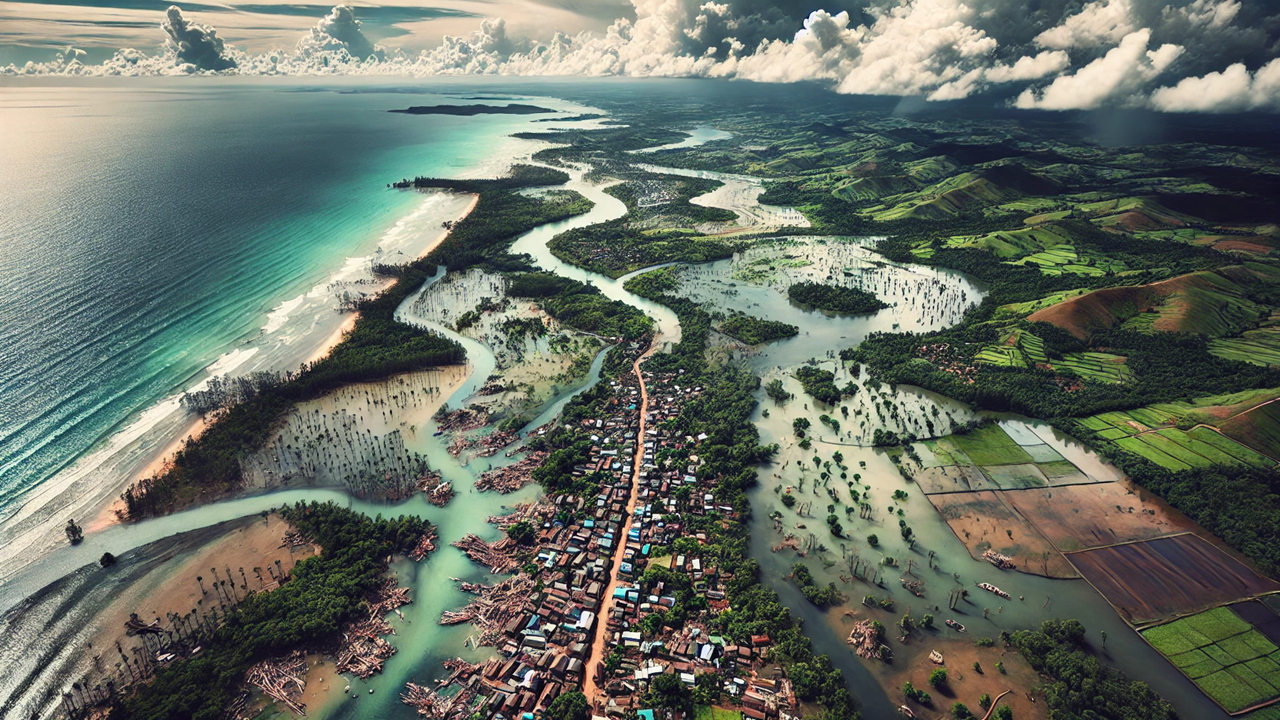
Cyclone Fytia battered the country's west coast between 31 January and 1 February, followed by Cyclone Gezani, which made landfall near Toamasina on 10 February. The back-to-back storms triggered widespread flooding, destroying homes, farmland, roads and critical infrastructure.
350,000 People in Flooded Zones — Most Already Vulnerable
UNDP's geospatial analysis shows that floodwaters inundated areas home to up to 350,000 people. Of those, as many as 63 percent were already living without reliable access to essential services and adequate living conditions before the storms hit.
By integrating high-resolution satellite imagery with socioeconomic datasets, UNDP identified where severe flood damage overlaps with entrenched poverty — providing authorities with precise targeting tools for early recovery.
"For families who were already living day to day, these floods are a breaking point," said Dr. Edward A. Christow, UNDP Resident Representative in Madagascar. "We can see clearly where homes, crops and incomes have been washed away in communities that had the least to begin with. Acting quickly in these hardest-hit areas is critical to help people rebuild their livelihoods and regain stability."
174,000 Hectares of Cropland Underwater
Agriculture has been hit especially hard in a country where nearly 80 percent of households depend fully or partially on farming for food and income.
Satellite data indicate that up to 174,100 hectares of cropland were flooded. In several eastern communes, more than 80 percent of agricultural land was affected — raising serious concerns about food shortages, rising prices and rural income collapse in the months ahead.
"The crops are damaged and yields will be low. We are truly afraid of famine this year," said Mrs. Lala, a mother of six in Antetezambaro. "We still have some of last year's harvest to sell, but once those reserves are depleted, we will be in dire straits."
Madagascar is already one of the world's most climate-vulnerable countries, frequently hit by cyclones, drought and erratic rainfall. Repeated climate shocks have weakened rural resilience and eroded coping capacities.
Livelihoods and Small Businesses Disrupted
Beyond farming, local businesses have also suffered heavy losses. Power outages and damaged infrastructure have disrupted markets and reduced income-generating activities.
"I make a living from selling milk. But without electricity, I can't run my refrigerator to store the milk," said Volamanana Clarisse, another mother in Antetezambaro. "Before the cyclone, I sold up to 150 litres of milk a day. Now, I only sell 20 litres."
Dozens of communes across affected regions now face urgent early recovery and agricultural rehabilitation needs.
Data-Driven Recovery Planning
UNDP's analysis demonstrates how satellite technology can accelerate disaster response by identifying priority zones with precision, reducing delays in aid allocation and improving equity in recovery planning.
By combining space-based data with on-the-ground verification, UNDP is supporting national and local authorities to:
-
Restore irrigation systems and agricultural production
-
Clear debris and rehabilitate transport routes
-
Repair damaged infrastructure
-
Support smallholder farmers and micro-enterprises
-
Prevent prolonged displacement and food insecurity
Without swift intervention, officials warn the compounded effects of crop losses, infrastructure damage and income disruption could deepen food insecurity and push vulnerable households further into poverty.
UNDP says targeted, data-informed recovery efforts are essential not only to rebuild what was lost but to strengthen climate resilience in a country increasingly exposed to extreme weather events.








 Google News