



ILO Brief: Import Bans Can Help Curb Forced Labour, But Are Not a Standalone Solution
The ILO brief, titled The Potential of Import Bans to Address Forced Labour, assesses whether such trade measures can contribute to reducing forced labour in the global economy.
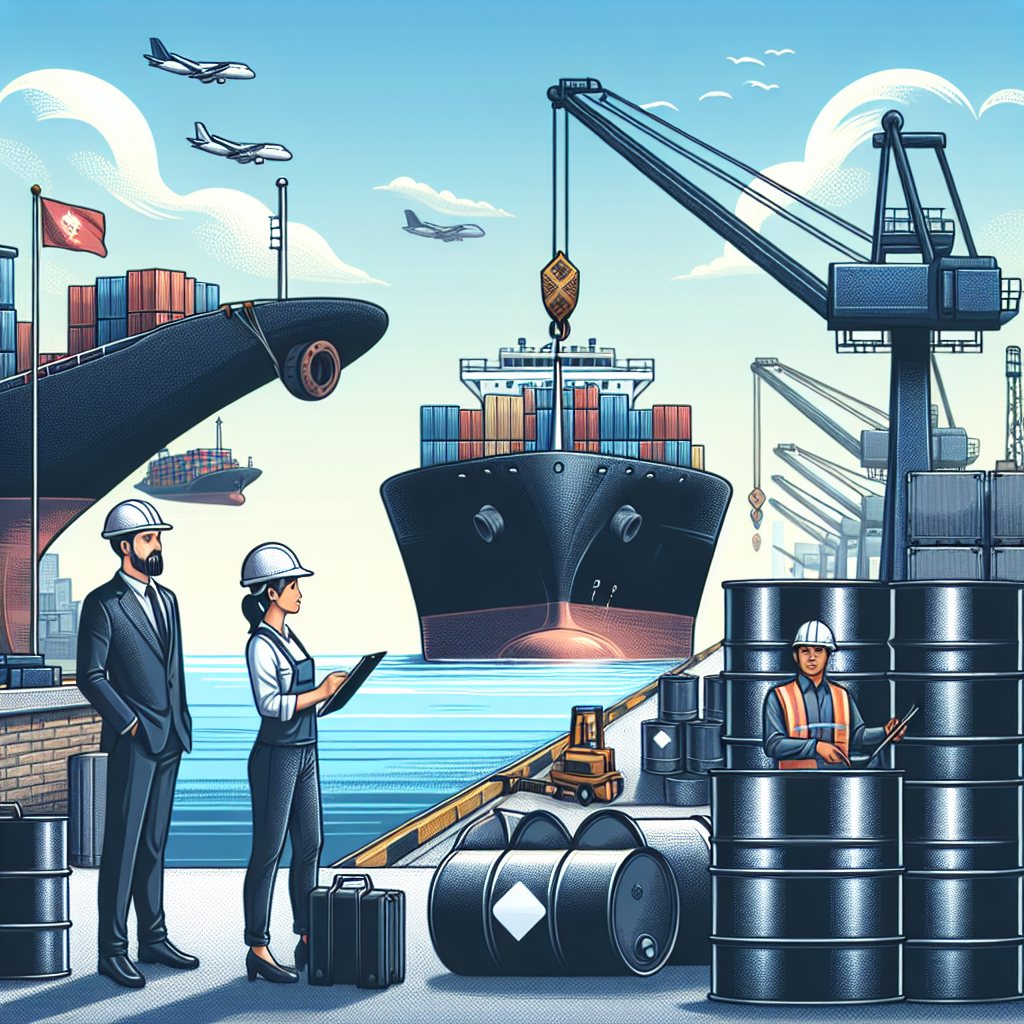
Import bans on goods produced with forced labour can play a meaningful role in addressing labour rights abuses in global supply chains, particularly when combined with broader policy measures that tackle the structural drivers of exploitation, according to a new brief released by the International Labour Organization (ILO).
Forced labour remains a persistent and growing global challenge. Recent ILO estimates show rising numbers of people subjected to forced labour worldwide, alongside increasing illegal profits generated from their exploitation. In response, several major economies—including the United States, Canada, Mexico and the European Union—have introduced import bans aimed at preventing goods made with forced labour from entering their markets.
Examining the Impact of Import Bans
The ILO brief, titled The Potential of Import Bans to Address Forced Labour, assesses whether such trade measures can contribute to reducing forced labour in the global economy. Drawing on two case studies, the analysis finds that import bans can, in certain contexts, trigger remedial action by companies and create momentum for positive change.
The brief also highlights evidence that company-level social dialogue, including engagement between employers, workers and their representatives, can help resolve the labour rights violations that initially led to the imposition of a ban.
Need for Complementary Policies
However, the ILO cautions that import bans on their own are unlikely to address the structural factors that drive forced labour, such as weak labour regulation, informality, poverty and limited access to worker representation.
The brief stresses the importance of complementary measures, including:
-
Effective labour laws and enforcement
-
Strong social dialogue mechanisms
-
Meaningful engagement with local stakeholders, including workers and communities
Without these supporting policies, import bans risk shifting abuses elsewhere rather than eliminating them.
Call for Further Research
The analysis also calls for further research to better understand the real-world impacts of import bans on workers, enterprises and supply chains across different national and sectoral contexts. Greater evidence is needed to ensure that such measures protect workers' rights without causing unintended harm, such as job losses or deeper informality.
The ILO concludes that while import bans can be a useful tool in the fight against forced labour, they are most effective when embedded within a comprehensive strategy that addresses root causes and strengthens labour governance globally.
ALSO READ
-
ILO–EU Project Empowers Women Migrant Workers in Malaysia’s Electronics Sector
-
Tragedy Unveiled: The Perilous Grip of Online Games
-
ILO-Led Round Table in Astana Strengthens Social Dialogue in Kazakhstan
-
Armenia Advances Action on ILO Violence and Harassment Convention
-
Heroic Teen Swims to Save Family from Perilous Sea








 Google News