



UN Expert Calls for Global Economic Reset, Urges Shift Beyond Growth to End Poverty Sustainably
“For decades, the dominant narrative has been that economic growth is the only route out of poverty,” De Schutter said.
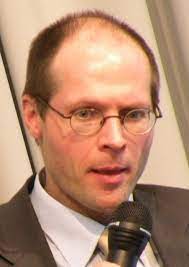
In a sweeping challenge to decades of economic orthodoxy, a United Nations human rights expert has unveiled a bold new roadmap calling for a fundamental transformation of the global development model—arguing that ending poverty requires moving beyond growth-driven economics.
Olivier De Schutter, the UN Special Rapporteur on extreme poverty and human rights, warned that the long-standing belief that economic growth alone can eradicate poverty is "neither realistic nor sustainable," and in many cases has worsened inequality and environmental degradation.
"For decades, the dominant narrative has been that economic growth is the only route out of poverty," De Schutter said. "Yet this model is failing—both people and the planet."
A System Under Strain
The newly released report, Roadmap for Eradicating Poverty Beyond Growth, paints a stark picture of the current global economy. According to De Schutter, existing systems have:
-
Concentrated wealth among a small global elite
-
Weakened democratic institutions
-
Entrenched low-wage, insecure employment
-
Accelerated environmental destruction
"The economy we have built funnels vast wealth into the hands of a few, while millions remain trapped in poverty," he said. "It relies on the exploitation of natural resources and cheap labour, particularly in the Global South."
The report also highlights how policies aimed at boosting competitiveness—such as deregulation, reduced labour protections, and cuts to public services—have deepened social and economic insecurity.
A New 'Human Rights Economy'
Drawing on input from over 400 experts across governments, academia, civil society, trade unions, and the UN system, the roadmap proposes a shift toward what De Schutter calls a "human rights economy"—one that prioritises wellbeing, equity, and sustainability over GDP growth.
Key policy recommendations include:
-
Expanding universal public services, including healthcare, education, and social care
-
Introducing public employment guarantees to ensure access to decent work
-
Establishing income security systems, such as universal basic income (UBI)
-
Reducing working hours while ensuring living wages
-
Strengthening labour rights and protections
"These are not radical ideas—they are necessary corrections," De Schutter said. "There is a growing consensus that we need credible alternatives to growth-at-all-costs."
Rethinking How Change Is Funded
A central pillar of the roadmap is financing. The report outlines mechanisms to support large-scale social investment, including:
-
Wealth and inheritance taxes targeting extreme concentrations of wealth
-
Reforming global tax systems to reduce avoidance and evasion
-
Cancelling unsustainable sovereign debt burdens in developing countries
De Schutter stressed that many low- and middle-income countries remain trapped in cycles of debt that prevent meaningful investment in social protection and infrastructure.
Balancing Growth and Sustainability
While the report challenges the dominance of growth as a policy goal, it does not dismiss growth entirely—particularly for developing economies.
For lower-income nations, De Schutter acknowledges that targeted, sustainable growth may still be necessary to fund essential services and infrastructure. However, he warns that such growth must:
-
Avoid reliance on exploitative global supply chains
-
Minimise environmental damage
-
Reduce inequality rather than exacerbate it
"The challenge is not growth versus no growth," he said. "It is about the type of growth—and who it benefits."
Shaping the Post-2030 Global Agenda
The report comes at a critical moment, as the international community begins planning the next phase of global development goals beyond the Sustainable Development Goals (SDGs), which expire in 2030.
De Schutter cautioned that without a shift in underlying economic assumptions, future global frameworks risk repeating the same shortcomings.
"Ending poverty will remain out of reach unless we rethink the economic models guiding policymaking," he said.
He also called for the establishment of a new International Panel on Inequality, aimed at providing independent, evidence-based guidance on addressing widening global disparities.
A Growing Global Debate
What was once considered a fringe perspective is rapidly gaining traction. The "beyond growth" movement—embracing ideas such as degrowth, wellbeing economies, and inclusive prosperity—is increasingly influencing policymakers, economists, and international institutions.
"When I began this mandate six years ago, these ideas were on the margins," De Schutter noted. "Today, they are shaping global debate as inequality rises and climate risks intensify."
A Turning Point for Development Policy
As climate change accelerates and inequality reaches historic highs, the report positions itself as both a critique of the past and a blueprint for the future.
"Ending poverty is one of humanity's most urgent challenges," De Schutter said. "But we cannot solve it with the same economic thinking that helped create it."
The roadmap now adds momentum to calls for a global rethink—one that places human dignity, social justice, and environmental sustainability at the centre of development policy.








 Google News