



Parliament Passes Division of Revenue Bill and Special Appropriation Bill
At the centre of the Division of Revenue Bill is a renewed focus on improving the capacity of municipalities to deliver essential services such as water, sanitation, electricity and local infrastructure.
- Country:
- South Africa
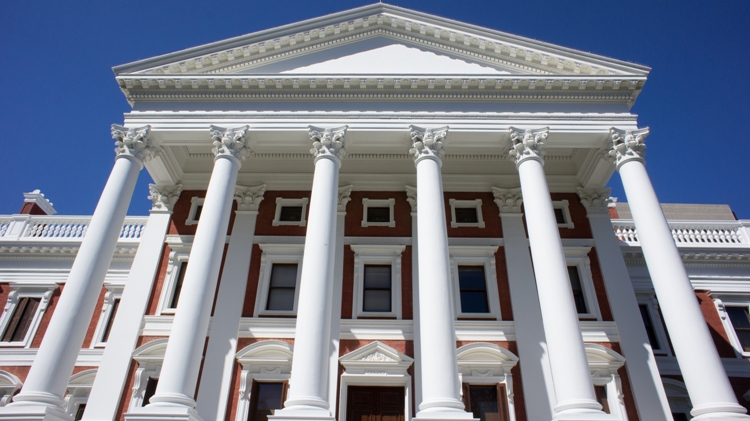
South Africa's National Assembly has passed the Division of Revenue Bill and the Special Appropriation Bill, marking a critical step in implementing the 2025/26 national Budget and reinforcing government's fiscal strategy to balance service delivery, economic growth and financial sustainability.
The two Bills, originally tabled by the Minister of Finance in February, set out how public funds will be allocated across all spheres of government while addressing urgent national priorities through targeted additional spending.
Reconfiguring Public Spending for Impact
At the centre of the Division of Revenue Bill is a renewed focus on improving the capacity of municipalities to deliver essential services such as water, sanitation, electricity and local infrastructure. With local government often at the frontline of service delivery, the Bill prioritises equitable and efficient resource distribution to ensure communities receive tangible benefits.
The framework also aligns with broader fiscal objectives—supporting economic growth, creating jobs, and containing public debt—at a time when South Africa continues to navigate constrained public finances and rising expenditure pressures.
Major Boost for Early Childhood Development
A standout feature of the budget allocations is a R12.8 billion investment over the medium term to expand Early Childhood Development (ECD) programmes, reflecting growing recognition of the sector's role in long-term human capital development.
To strengthen foundational education further, government has redirected R800 million in 2026/27 toward critical priorities, including:
-
R446 million for the National School Nutrition Programme, ensuring learners have access to daily meals
-
R13 million to support learners with severe to profound intellectual disabilities
-
R342 million to progressively equalise salaries of Grade R educators, addressing longstanding disparities
In addition, R175 million has been allocated for the rollout of the e-Cares system, a digital platform designed to improve data collection, oversight, and management of ECD services nationwide.
These investments signal a shift toward evidence-based planning and improved accountability in early learning systems.
Modernising Agriculture and Driving Competitiveness
Beyond education, the budget introduces targeted funding to enhance productivity in key economic sectors. An allocation of R109 million will support the modernisation of agricultural systems, including the implementation of e-certification and animal traceability technologies.
These upgrades are expected to improve food safety standards, boost export competitiveness, and strengthen South Africa's position in global agricultural markets.
Parliament Calls for Stronger Oversight and Fiscal Discipline
While welcoming the allocations, the Standing Committee on Appropriations emphasised that successful implementation will depend on robust governance, effective oversight, and prudent financial management.
The Committee has called on the National Treasury to:
-
Develop a clear strategy to stabilise the public service wage bill, which continues to place pressure on public finances
-
Conduct a comprehensive cost-benefit analysis on the use of implementing agents, such as the Development Bank of Southern Africa, in municipal infrastructure delivery
National Treasury is expected to report back to Parliament twice annually on progress in these areas, underscoring increased accountability measures.
R13.5 Billion Injection to Address Urgent Needs
The Special Appropriation Bill complements the main budget by allocating an additional R13.5 billion for the 2025/26 financial year to respond to urgent and unforeseen spending requirements.
This mechanism enables government to act swiftly without waiting for the next budget cycle, ensuring continuity in critical programmes and services.
A significant portion of this funding will go to:
-
Passenger Rail Agency of South Africa (PRASA): Supporting the procurement of new locomotives, train repairs, and upgrades to commuter rail services—vital for millions of daily passengers
-
Sentech: Addressing a long-standing dispute with the South African Broadcasting Corporation over approximately R1.6 billion in unpaid fees, while strengthening the entity's financial stability
-
Key departments: Including Home Affairs, National Treasury, Transport, and Communications and Digital Technologies
Investing in Democratic and Institutional Infrastructure
The approved funding package also reflects major investments in democratic institutions and public infrastructure:
-
R2.081 billion for the rebuilding of Parliament following the 2022 fire
-
R1.116 billion for the Electoral Commission of South Africa (IEC) to support preparations for the 2026 Local Government Elections
The election funding has been classified as a necessary, once-off constitutional expense to ensure that the electoral process remains free, fair, and credible.
Next Steps in the Legislative Process
Both the Division of Revenue Bill and the Special Appropriation Bill will now be referred to the National Council of Provinces (NCOP) for concurrence, marking the next stage in finalising the national Budget framework.
As South Africa continues to balance fiscal constraints with growing social and economic demands, the passage of these Bills underscores a deliberate effort to prioritise foundational services, strengthen institutions, and invest in long-term development.








 Google News