



NZ Establishes Regulatory Standards Board to Strengthen Accountability and Transparency in Lawmaking
Minister Seymour described the Board as a “strong watchdog” that will fundamentally improve how legislation is assessed and understood by both policymakers and the public.
- Country:
- New Zealand
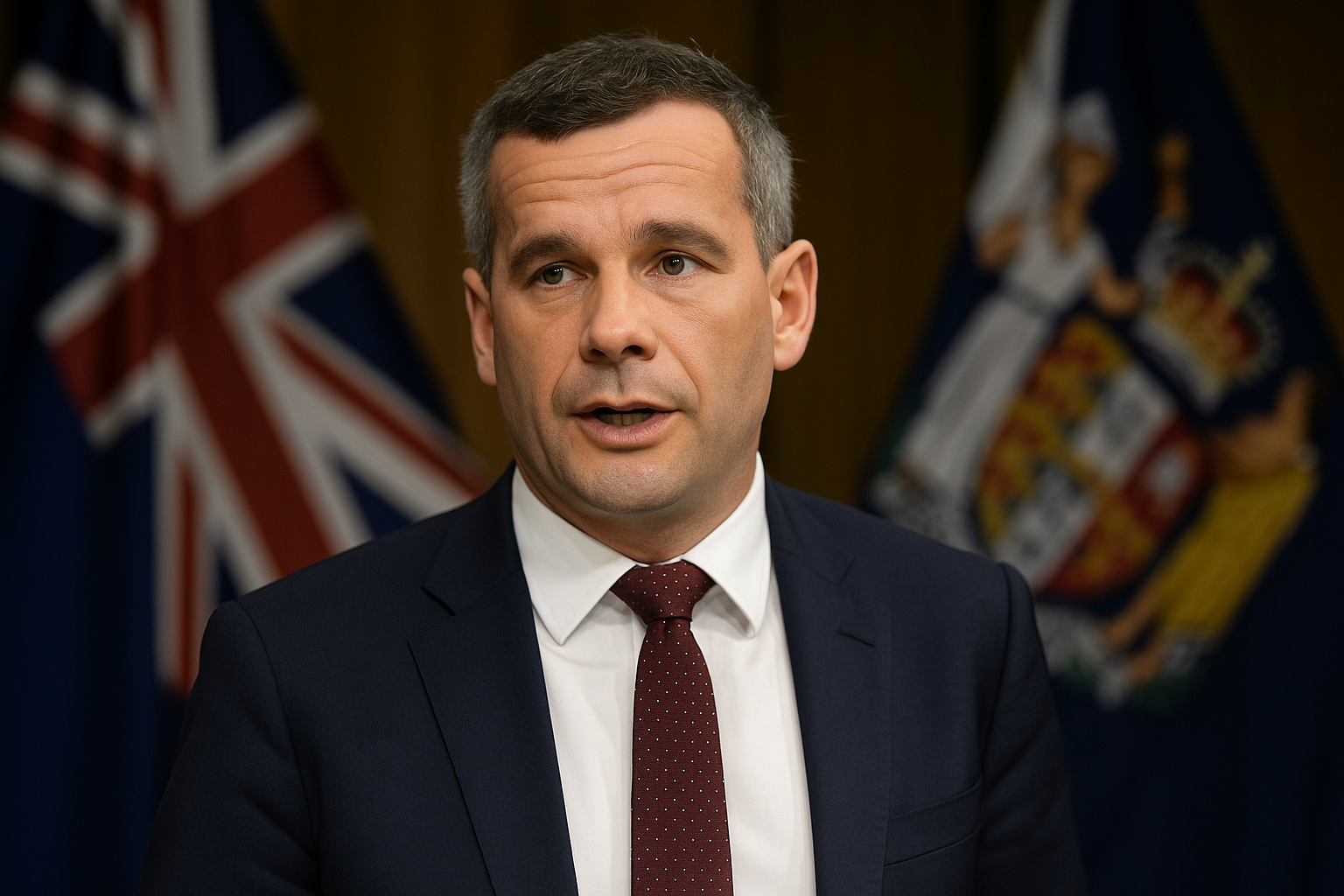
In a significant move aimed at reshaping how laws are created, evaluated, and maintained, Regulation Minister David Seymour has formally announced the appointment of the Regulatory Standards Board—an independent oversight body established under the Regulatory Standards Act 2025. The initiative marks a major institutional reform designed to bring greater scrutiny, transparency, and discipline to New Zealand's regulatory framework.
The Board, which will begin operations on 1 July 2026, is being positioned as a central pillar in the government's effort to ensure that regulation serves the public interest without imposing unnecessary costs or complexity.
A New Era of Regulatory Oversight
Minister Seymour described the Board as a "strong watchdog" that will fundamentally improve how legislation is assessed and understood by both policymakers and the public.
"The Board will provide expert oversight and advice on both new and existing regulations," he said. "It will rigorously assess laws against key principles of good regulatory practice—such as necessity, proportionality, transparency, and consistency with the rule of law."
This approach aligns New Zealand with a growing global trend toward evidence-based regulation, where governments are increasingly required to justify the economic and social impacts of legislation. According to OECD benchmarks, countries with robust regulatory oversight mechanisms tend to reduce compliance costs by up to 15–25% over time, while improving business confidence and public trust.
Making the Cost of Regulation Visible
One of the Board's most innovative functions will be its role in evaluating Consistency Accountability Statements (CAS)—formal documents that accompany proposed legislation. These statements outline whether a Bill aligns with principles of sound regulatory practice and disclose the expected costs and impacts.
"The Board will review the quality of these statements to ensure they are meaningful and transparent," Seymour said. "New Zealanders deserve to know who is imposing costs on them, how those costs arise, and why they are necessary."
This transparency mechanism is expected to significantly enhance democratic accountability, enabling voters, businesses, and civil society to better evaluate government decision-making.
Public Participation and Independent Reviews
Beyond reviewing new laws, the Board will also have the authority to examine existing legislation, either in response to public complaints or on its own initiative. All findings will be published, creating a publicly accessible record of regulatory performance.
In a notable step toward participatory governance, citizens will be able to submit concerns about inconsistent or burdensome laws directly through the Ministry for Regulation's website.
Policy experts suggest that such open complaint systems can lead to more responsive governance. In comparable systems internationally, up to 30% of regulatory reviews are triggered by public or industry submissions, often leading to meaningful reforms.
Experienced Leadership at the Helm
The Board will be chaired by Mr Paul Ridley-Smith, a seasoned leader with extensive experience in law, business, and governance. His career spans senior roles at HRL Morrison & Co/Infratil, Contact Energy Limited, Buddle Findlay, and Linklaters, including international experience in Hong Kong and New York.
He also brings significant governance expertise, currently serving as Chair of Manawa Energy Limited (formerly Trustpower), as well as leadership roles at Snapper Services and iSite Media.
"Mr Ridley-Smith brings an impartial and balanced perspective that will be critical to the Board's credibility and effectiveness," Seymour noted.
A Diverse and Highly Skilled Board
The Board's composition reflects a deliberate effort to combine expertise across law, economics, governance, engineering, and public policy:
-
Mr Ian Chamberlain: A regulatory specialist in building standards, actively involved with Standards New Zealand and professional bodies in construction and governance.
-
Ms Julie Hardaker: A highly experienced governance leader with current roles in water regulation, transport, and charities oversight, and former leadership positions in environmental and governance institutions.
-
Professor Ananish Chaudhuri: An internationally recognised economist and academic, with extensive research, policy engagement, and advisory experience, including contributions to legal and economic debates in New Zealand.
-
Mr Carl Hansen: A former Chief Executive of the Electricity Authority, known for leading organisational and market reforms in the energy sector.
-
Dr Nicola Swain: An Associate Professor at the University of Otago with over 15 years of experience in regulatory tribunals and ethics frameworks, including roles in human rights and medical governance bodies.
Driving Smarter Regulation for Economic Growth
The establishment of the Regulatory Standards Board comes at a time when governments globally are grappling with the challenge of balancing regulation with economic growth. Excessive or poorly designed regulation can stifle innovation and productivity, while insufficient oversight can lead to systemic risks.
New Zealand's new framework aims to strike this balance by embedding continuous review, transparency, and expert analysis into the regulatory lifecycle.
Analysts suggest the Board could play a crucial role in improving regulatory quality, reducing compliance burdens on businesses, and enhancing investor confidence—factors that are increasingly critical in a competitive global economy.
Looking Ahead
With its mandate to scrutinize both new and existing laws, empower public participation, and elevate transparency standards, the Regulatory Standards Board represents one of the most comprehensive regulatory reform efforts in recent years.
As Part 2 of the Regulatory Standards Act 2025 comes into force, all eyes will be on how effectively the Board delivers on its promise to make regulation more accountable, efficient, and aligned with the needs of New Zealanders.
ALSO READ
-
Turbulent Times for New Zealand's National Party: Luxon's Leadership in Question
-
Wellington Battles the Deluge: Flash Floods Hit New Zealand's Capital
-
Tensions Soar: New Zealand Defends Aerial Mission Amidst Rising China Concerns
-
Kiwi Victory: New Zealand Triumphs Over Bangladesh in ODI Opener
-
New Zealand's Pace Attack Dominates in Thrilling ODI Opener








 Google News