



Waitaha Hydro Project Signals New Era of Clean Energy on NZ’s West Coast
“Fast-track has fundamentally changed the pace at which critical infrastructure can be delivered,” Mr Bishop said, highlighting the project as a model for future developments.
- Country:
- New Zealand
A long-delayed renewable energy project on New Zealand's rugged West Coast has been thrust into action under the Government's fast-track approvals regime, marking a pivotal step toward strengthening regional electricity resilience and accelerating the country's clean energy transition.
Infrastructure Minister Chris Bishop and Regional Development Minister Shane Jones have confirmed that the Waitaha Hydro scheme—proposed by Westpower Limited—has secured all necessary approvals in just five months, a dramatic acceleration compared to the nearly two decades it has taken to reach this stage.
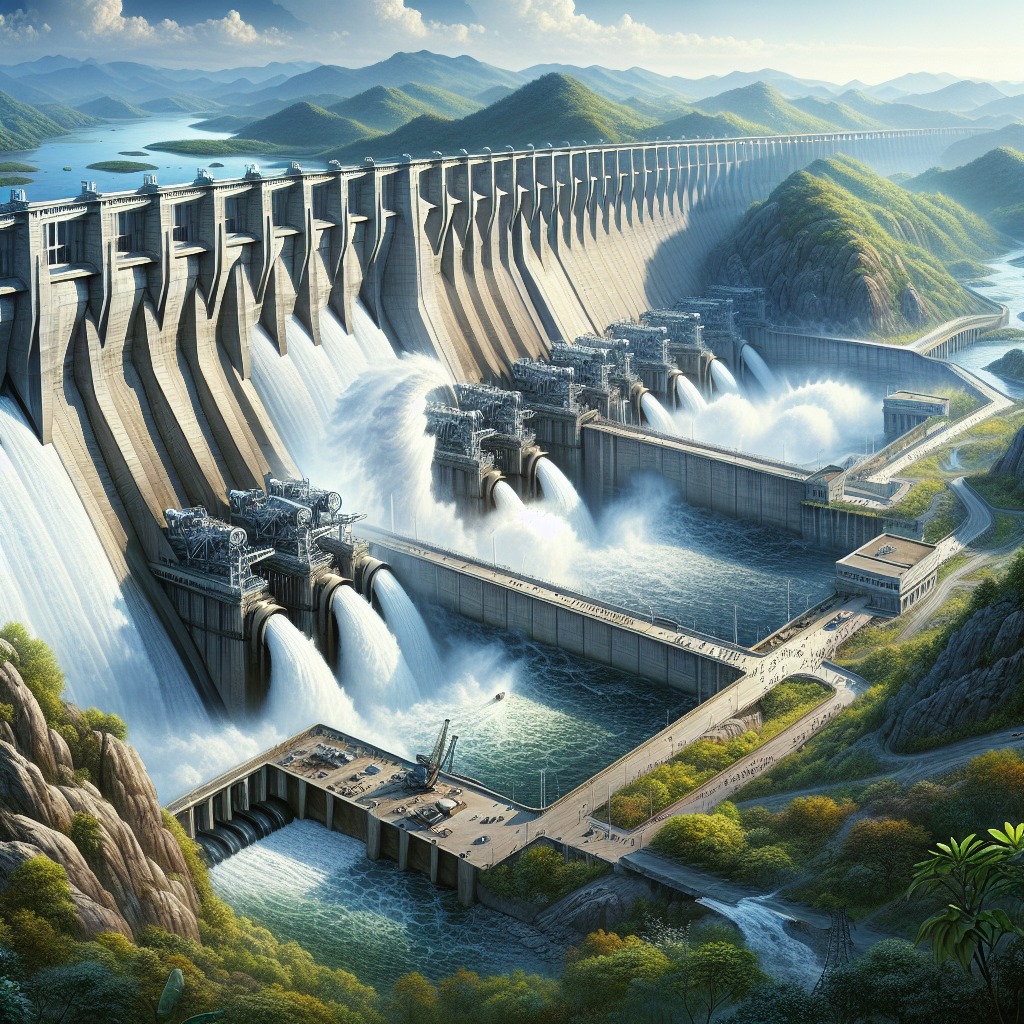
Located in the Waitaha Valley, approximately 38 kilometres south of Hokitika, the 23-megawatt hydroelectric project represents a blend of engineering innovation and regional development strategy. The scheme will feature a low-impact weir, a 1.5-kilometre underground tunnel, and a powerhouse equipped with two turbines designed to harness the valley's natural water flow while minimising environmental disruption.
From Two Decades of Delays to Five-Month Approval
The project's journey underscores the significance of the fast-track consenting framework. Initially proposed over 20 years ago, the scheme faced regulatory hurdles, including a 2019 rejection following a public consultation and environmental review process.
Subsequent attempts to revive the project—including a 2022 reconsideration request to the Department of Conservation—were ultimately overtaken by its inclusion under the Fast-Track Approvals Act (FTAA). This legislative pathway enabled a streamlined expert panel process, bypassing years of procedural delays while still ensuring environmental and stakeholder considerations.
"Fast-track has fundamentally changed the pace at which critical infrastructure can be delivered," Mr Bishop said, highlighting the project as a model for future developments.
Powering Homes, Cutting Emissions
Once operational, the Waitaha Hydro scheme is expected to generate enough renewable electricity to supply approximately 12,000 homes annually—an important contribution in a region historically constrained by limited local generation.
The environmental benefits are equally significant. Estimates suggest the project will reduce carbon dioxide emissions by up to 129,000 tonnes each year, equivalent to removing around 69,000 cars from New Zealand roads. This positions the project as a meaningful contributor to the country's net-zero ambitions and renewable energy targets.
Addressing West Coast Energy Inequality
The West Coast region faces some of the highest electricity costs in the country, largely due to its reliance on a 550-kilometre transmission line connecting it to distant generation hubs. This geographic isolation has long exposed the region to price volatility and supply vulnerabilities.
By increasing local generation capacity, the Waitaha project is expected to ease these pressures over time, enhancing both affordability and energy security for households and businesses.
Moreover, the scheme is strategically positioned to support New Zealand's broader electricity system. During "dry year" events—when low rainfall reduces hydro generation in other parts of the country—the additional output from Waitaha could help stabilise supply and reduce reliance on fossil fuel backup generation.
Partnership with Poutini Ngāi Tahu
A defining feature of the project is its partnership with Poutini Ngāi Tahu, ensuring that development aligns with local iwi aspirations and delivers tangible benefits to the West Coast community.
This collaboration reflects a growing trend in infrastructure development across New Zealand, where co-design with indigenous partners is becoming central to achieving both economic and environmental sustainability.
Economic Boost and Job Creation
Beyond energy generation, the project is set to deliver a substantial economic injection into the region. With total investment estimated between NZ$160 million and NZ$200 million, the construction phase alone is expected to create around 71 full-time equivalent jobs over three years.
These roles will span engineering, construction, environmental management, and local services, providing a much-needed boost to the regional economy.
A Blueprint for Future Infrastructure
The Waitaha Hydro project is emerging as a flagship example of how regulatory reform, technological design, and community partnership can converge to unlock long-stalled infrastructure.
Government officials suggest that similar fast-tracked renewable projects could play a crucial role in meeting New Zealand's growing electricity demand, particularly as electrification accelerates across transport, industry, and households.
With construction expected to commence soon, the project not only marks a turning point for the West Coast but also signals a broader shift in how New Zealand approaches infrastructure delivery in the face of climate and energy challenges.
ALSO READ
-
Chris Wood's Knee Injury Jeopardizes Nottingham Forest and New Zealand's World Cup Ambitions
-
India and New Zealand Seal Landmark Free Trade Deal
-
Chinese Solar Manufacturers Face Overcapacity Despite Global Renewable Energy Demand Boost
-
Pioneering Renewable Energy: UNSW and KREDL Foster Cross-Border Innovation
-
ReNew's Record Year: Setting New Standards in Renewable Energy Capacity








 Google News