



UN Expert Warns of Escalating Child Trafficking Crisis Amid Deepening Conflict in South Sudan
Siobhán Mullally, the UN Special Rapporteur on trafficking in persons, said the ongoing conflict has created a “dire humanitarian crisis”, with civilians increasingly targeted by armed actors.
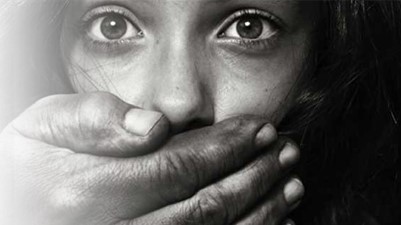
A United Nations human rights expert has raised alarm over a rapidly worsening conflict-driven trafficking crisis in South Sudan, warning that escalating violence, mass displacement, and systemic impunity are exposing thousands—particularly children and women—to severe exploitation and abuse.
Siobhán Mullally, the UN Special Rapporteur on trafficking in persons, said the ongoing conflict has created a "dire humanitarian crisis", with civilians increasingly targeted by armed actors.
"Continuing conflict has created a dire humanitarian crisis, with widespread attacks on civilians having a disproportionate impact on children and creating an alarming child trafficking crisis," she said.
Mass Displacement Fueling Trafficking Risks
The scale of displacement is intensifying vulnerabilities across the country. According to the UN expert:
-
1.9 million people are internally displaced within South Sudan
-
An additional 1.4 million people have fled into the country due to the conflict in neighbouring Sudan
This dual crisis is overwhelming already fragile systems and significantly increasing the risk of trafficking, particularly as humanitarian access remains restricted.
"Displacement and barriers to humanitarian access are fuelling failures of protection," Mullally warned, noting that already overstretched services are unable to meet growing needs.
Sexual Violence and Exploitation 'Normalised'
One of the most disturbing findings highlighted by the UN is the normalization of conflict-related sexual violence, particularly against women and girls.
Girls are being trafficked into sexual slavery, often subjected to:
-
Forced pregnancies
-
Severe physical and psychological trauma
-
Long-term health complications
At the same time, young men and boys are being forcibly recruited by armed groups, compelled to serve in combat or support roles, including participation in attacks on civilians.
These practices, Mullally stressed, represent grave violations of international law.
"Abductions for sexual slavery, forced recruitment, child and forced marriage and sexual exploitation may amount to war crimes and crimes against humanity," she said.
Survivors Left Without Support or Justice
Despite the scale of abuses, survivors face immense barriers to recovery and justice.
Access to essential services remains critically limited due to:
-
Severe shortages in healthcare and psychosocial support
-
High costs of treatment
-
Social stigma and fear of retaliation
-
Ongoing insecurity
Government institutions, including the Ministry of Gender, Child and Social Welfare and the Ministry of Health, remain under-resourced, further constraining their ability to respond effectively.
Perhaps most concerning, Mullally highlighted the near-total absence of accountability.
"Access to justice for most survivors is non-existent, and widespread impunity continues to fuel the trafficking crisis," she said.
All Sides Implicated, Urgent Reforms Needed
Reports indicate that both state-aligned and opposition forces, along with other armed groups, are involved in trafficking-related abuses, underscoring the complexity of the crisis and the urgent need for systemic reform.
The UN expert called for:
-
Immediate security sector reform
-
A credible and inclusive peace process
-
Strengthened protection mechanisms for vulnerable populations
Calls for International Action and Accountability
Mullally urged swift action to end impunity and deliver justice for victims, including the operationalisation of long-delayed accountability mechanisms.
"Impunity must end," she said. "Survivor-centred justice measures must be implemented."
Key recommendations include:
-
Establishing the African Union-mandated Hybrid Court for South Sudan
-
Creating a Truth Commission and Reparations Authority
-
Ensuring full protection, rehabilitation, and reintegration for victims, including former child soldiers
-
Expanding access to sexual and reproductive healthcare services
-
Providing safeguards against re-trafficking and reprisals
A Worsening Crisis Demanding Global Attention
The warning comes as South Sudan continues to grapple with overlapping crises—armed conflict, economic instability, and humanitarian emergencies—creating fertile ground for trafficking networks to thrive.
Mullally's findings reinforce the urgent need for coordinated international intervention to protect vulnerable populations and restore accountability.
Her earlier 2023 country report outlines detailed recommendations for both the South Sudanese Government and international partners, emphasising that without immediate action, the trafficking crisis risks deepening further.
As the situation deteriorates, the UN's message is clear: without justice, protection, and sustained global attention, thousands more—especially children—remain at risk of exploitation in one of the world's most fragile conflict zones.
ALSO READ
-
Vedanta Challenges Adani Bid: Integrity of Insolvency Process Under Scrutiny
-
Brazil-U.S. Unite Against Organized Crime
-
BJP's Bold Blueprint for West Bengal: Key Poll Pledges Unveiled
-
Cambodia's King Sihamoni Undergoing Cancer Treatment in China
-
Mamata govt more focused on constructing madrasas than building schools for underprivileged: Shah in Bengal's Debra.








 Google News