



NZ Steps Up Global Diplomacy Amid Rising Geopolitical Tensions: Winston Peters Departs for Washington
New Zealand’s trade-dependent economy—where exports account for roughly 30% of GDP—remains particularly sensitive to such disruptions.
- Country:
- New Zealand
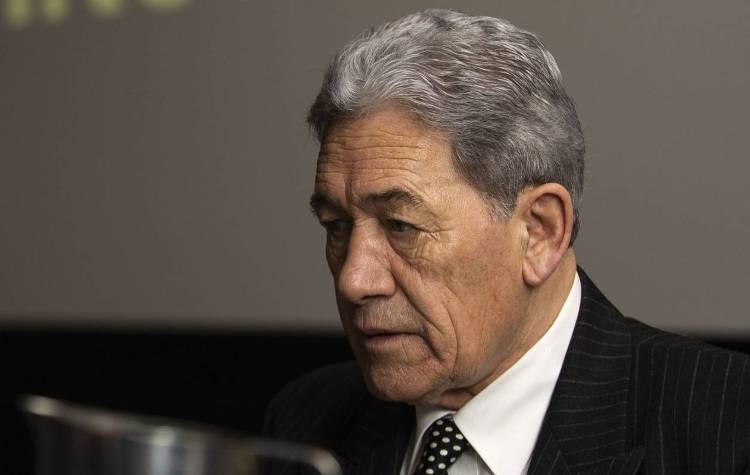
New Zealand is intensifying its diplomatic engagement on the global stage as Foreign Minister Winston Peters departs for Washington D.C. this week, signaling Wellington's strategic push to navigate what it describes as one of the most complex international environments in decades.
Framing the visit against a backdrop of escalating geopolitical instability, Peters underscored the gravity of the moment, stating that the current global climate represents "the most challenging New Zealand has faced in the past 80 years." The remark reflects growing concern within New Zealand's foreign policy circles over converging crises—from the Middle East conflict to intensifying competition in the Indo-Pacific.
Strategic Timing in a Volatile World
Peters' visit comes at a time when global power dynamics are shifting rapidly. The Indo-Pacific region, where New Zealand has deep economic and security interests, has become a focal point of strategic competition involving the United States, China, and regional actors. Simultaneously, the ongoing conflict in the Middle East continues to disrupt global supply chains, energy markets, and security alignments.
New Zealand's trade-dependent economy—where exports account for roughly 30% of GDP—remains particularly sensitive to such disruptions. The country's strong reliance on maritime trade routes through the Indo-Pacific further amplifies the importance of regional stability.
Against this backdrop, Peters emphasized the importance of direct engagement, noting that "in times as complex as these, we highly value opportunities to meet face to face." His comments highlight a renewed emphasis on traditional diplomacy, even as digital engagement becomes more common.
High-Level Talks with the United States
During his visit, Peters is scheduled to meet U.S. Secretary of State Marco Rubio, along with other senior officials. The discussions are expected to center on shared strategic priorities, including cooperation in the Pacific and broader Indo-Pacific region—areas where both nations have been seeking to counterbalance growing geopolitical tensions.
The Pacific Islands, in particular, have emerged as a key arena for influence, with increased development aid, infrastructure investment, and security partnerships shaping regional dynamics. New Zealand has historically positioned itself as a trusted partner in the Pacific, contributing significantly to development assistance, climate resilience initiatives, and regional governance.
Officials indicate that Peters will use the visit to reinforce New Zealand's role as a stabilizing force in the Pacific, while also aligning more closely with U.S. strategic objectives.
Focus on Middle East Conflict and Global Implications
A major component of the discussions will revolve around the ongoing conflict in the Middle East and its ripple effects across regions, including the Indo-Pacific. The conflict has not only raised humanitarian concerns but also triggered broader geopolitical consequences—impacting energy prices, global shipping routes, and international alliances.
New Zealand, while geographically distant, has consistently advocated for multilateral solutions and adherence to international law. Peters is expected to reiterate these positions, while exploring avenues for coordinated responses with key allies.
Advancing Economic and Security Interests
Beyond security and diplomacy, the visit is also geared toward strengthening economic ties. The United States remains one of New Zealand's largest trading partners, with bilateral trade exceeding NZD $20 billion annually. Enhancing economic cooperation—particularly in areas such as technology, clean energy, and defense—will be a key agenda item.
Peters noted that the meetings aim to "advance New Zealand's diplomatic, security and economic interests," while also fostering a deeper understanding of each country's strategic priorities.
Renewed Emphasis on Alliance Networks
The trip underscores New Zealand's broader strategy of reinforcing alliances and partnerships in an increasingly fragmented world order. While traditionally maintaining an independent foreign policy stance, Wellington has in recent years deepened its engagement with Western partners, particularly in response to emerging security challenges.
Analysts suggest that this visit could further solidify New Zealand's role within evolving security frameworks in the Indo-Pacific, including closer coordination with partners such as Australia, the United States, and Japan.
Tight Diplomatic Schedule
Peters is scheduled to depart New Zealand on April 6 and return on April 10, marking a brief but high-impact diplomatic mission. Despite its short duration, the visit is expected to carry significant implications for New Zealand's positioning in global affairs.
As geopolitical tensions continue to mount, the trip reflects a broader recognition within New Zealand's leadership: that proactive diplomacy and strategic alignment are essential in navigating an increasingly uncertain world.
ALSO READ
-
Pacific Pledge: New Zealand and Cook Islands Forge Strategic Alliance Amidst China Concerns
-
New Zealand and Cook Islands Forge New Era in Defence Pact
-
New Zealand's ChatGPT Innovation Tackles Violent Extremism
-
Heather Simpson Appointed Deputy Chair of Antarctica New Zealand
-
New Zealand, Cook Islands Sign Defence Pact, Restore Funding After Diplomatic Rift








 Google News