



Cabinet Approves JJM 2.0 with ₹8.69 Lakh Crore Outlay to Sustainable Water Service Delivery
A key feature of JJM 2.0 is the introduction of reform-linked Memorandums of Understanding (MoUs) between States/UTs and the National Jal Jeevan Mission.
- Country:
- India
In a major policy overhaul aimed at transforming rural water supply across India, the Union Cabinet has approved Jal Jeevan Mission (JJM) 2.0, marking a decisive shift from infrastructure creation to a service delivery-driven model focused on sustainability, accountability, and long-term water security.
The revamped mission, cleared on March 10, 2026, significantly enhances financial commitment and introduces structural reforms to ensure reliable, safe, and continuous piped drinking water supply to rural households.
Massive Scale-Up: ₹8.69 Lakh Crore Total Outlay
Under JJM 2.0:
-
Total outlay: ₹8.69 lakh crore
-
Central assistance: ₹3.59 lakh crore
-
Increased from ₹2.08 lakh crore (2019–20)
-
Additional central allocation: ₹1.51 lakh crore
This substantial expansion underscores the government's priority to secure universal rural drinking water access while strengthening delivery systems.
From Infrastructure to Service Delivery
Unlike the earlier phase, which focused largely on creating water infrastructure, JJM 2.0 emphasizes:
-
Sustainable and reliable service delivery
-
Strengthened drinking water governance frameworks
-
Long-term operation and maintenance of systems
The shift reflects lessons learned during the first phase, where infrastructure expansion needed to be complemented with robust service standards.
Reform-Linked MoUs: States Take Centre Stage
A key feature of JJM 2.0 is the introduction of reform-linked Memorandums of Understanding (MoUs) between States/UTs and the National Jal Jeevan Mission.
So far, 12 States have signed MoUs, committing to:
-
Defined service delivery benchmarks
-
Sustainability measures for water sources
-
Community-led management of rural water systems
The Centre has emphasized that since water is a State subject, success of the mission depends heavily on state-level accountability and execution.
High-Level Coordination and Monitoring
To accelerate implementation, Union Jal Shakti Minister C.R. Patil chaired a review meeting with State Ministers on March 13, urging:
-
Timely completion of water supply schemes
-
Strengthened on-ground monitoring
-
Improved coordination between departments
Further, the JJM 2.0 Operational Guidelines were officially released on March 22 during Jal Mahotsav 2026, providing a detailed roadmap for execution.
₹1,561 Crore Released to Five States
As part of the rollout, the Centre has released ₹1,561.53 crore to five states for FY 2025–26, based on compliance with new performance criteria:
-
Uttar Pradesh: ₹792.93 crore
-
Chhattisgarh: ₹536.53 crore
-
Madhya Pradesh: ₹154.02 crore
-
Odisha: ₹65.31 crore
-
Maharashtra: ₹12.74 crore
These funds are tied to approved schemes and will be monitored for timely and effective utilization.
Performance-Based Funding: A New Accountability Framework
For the first time, JJM introduces a compliance-linked and performance-based funding mechanism, requiring states to meet strict validation criteria before funds are released.
Key conditions include:
-
Signing of JJM 2.0 MoUs
-
Scheme validation through the Sujalam Bharat GIS-linked Asset Registry
-
Certification of compliance with CPHEEO design norms
-
Financial transparency through proper expenditure reconciliation
This system ensures that funding is directly linked to quality, transparency, and progress on the ground.
Strengthening Transparency Through Technology
The integration of GIS-based asset tracking and structured validation mechanisms is expected to:
-
Improve monitoring of water infrastructure
-
Enhance data-driven decision-making
-
Reduce inefficiencies and leakages
Such digital tools are aligned with India's broader push toward technology-enabled governance.
Transforming Rural Water Security
JJM 2.0 is expected to play a critical role in:
-
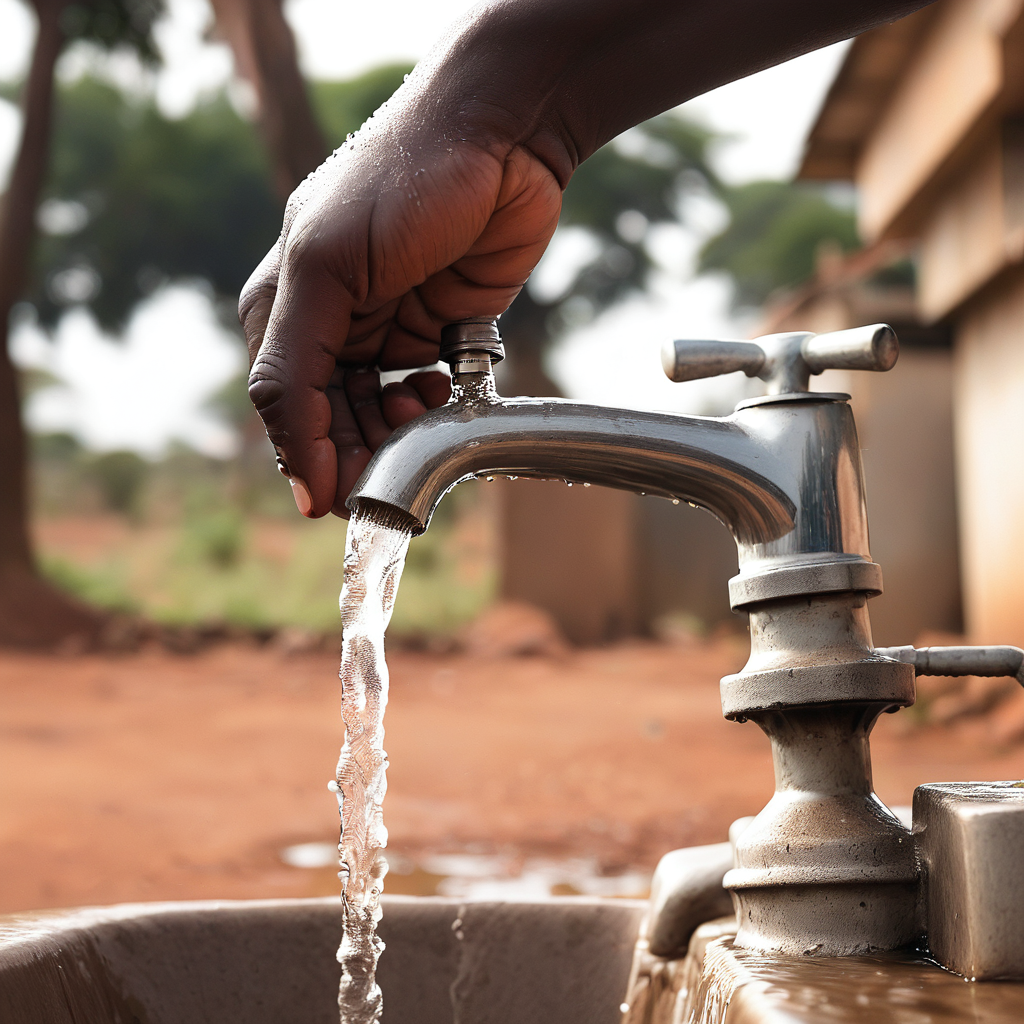
Ensuring 24x7 functional household tap connections (FHTCs)
-
Improving public health outcomes
-
Reducing water-fetching burden, especially for women
-
Supporting climate-resilient water management
The mission is also closely linked with other flagship initiatives such as:
-
Swachh Bharat Mission
-
Jal Shakti Abhiyan
-
Rural development and sanitation programmes
Outlook: Towards Sustainable Water Governance
With its focus on service delivery, sustainability, and accountability, Jal Jeevan Mission 2.0 represents a significant evolution in India's rural water policy.
By combining increased funding with institutional reforms and performance-based monitoring, the government aims to ensure that every rural household not only gets a tap connection—but receives reliable, safe, and sustainable water supply.
As India advances toward Viksit Bharat 2047, JJM 2.0 is poised to become a cornerstone of inclusive development and improved quality of life in rural areas.
ALSO READ
-
Jal Jeevan Mission 2.0: A Paradigm Shift in Rural Water Supply
-
Odisha Paves the Way for Water Abundance with Jal Jeevan Mission 2.0
-
Odisha Unveils Jal Jeevan Mission 2.0
-
Centre Signs Reform-Linked MoUs with Five States Under Jal Jeevan Mission 2.0
-
New Era for Rural Water Supply: Jal Jeevan Mission 2.0 Launched








 Google News