



UN Probe Finds Mass Atrocities in Syria’s Suwayda: Over 1,700 Dead, Entire Communities Displaced
The report emphasizes that these acts “may amount to war crimes” and, if proven systematic, could qualify as crimes against humanity.
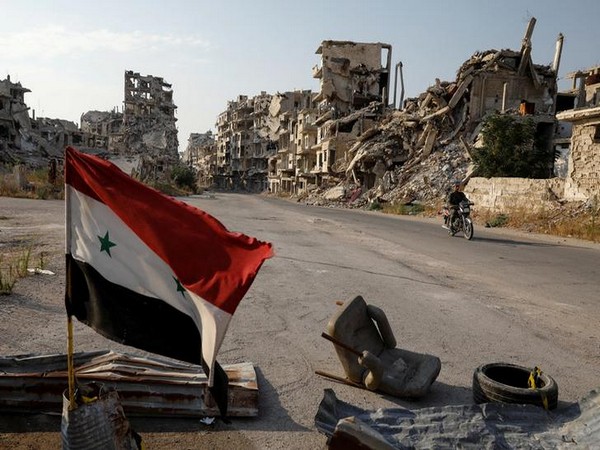
A new report by the UN Independent International Commission of Inquiry on Syria has revealed the devastating scale of violence that swept through Suwayda in July, leaving more than 1,700 people dead and nearly 200,000 displaced, in what investigators warn could amount to war crimes and potential crimes against humanity.
Drawing on 409 firsthand testimonies and extensive field investigations, the report paints a grim picture of sectarian violence, mass killings, and systematic destruction, marking one of the deadliest episodes in Syria in recent years.
Three Waves of Violence: Civilians Targeted on Both Sides
The violence unfolded in three distinct and escalating phases, each marked by targeted attacks against civilian populations:
-
First Wave (14–16 July):Government forces, alongside allied tribal fighters, carried out widespread abuses against Druze civilians, including:
-
Executions after separating men from families
-
Torture and arbitrary detention
-
Killings inside homes and on streets
-
-
Second Wave (from 17 July):Following the withdrawal of government forces after Israeli airstrikes, Druze armed groups retaliated against Bedouin civilians, committing:
-
Killings and forced displacement
-
Arbitrary detentions and looting
-
-
Third Wave (17–19 July):Tribal fighters launched retaliatory attacks against Druze communities, resulting in:
-
Destruction of up to 35 villages
-
Burning of homes, businesses, and religious sites
-
Killings and abductions
-
Some government personnel reportedly joined attacks after removing their uniforms, raising serious concerns about command responsibility.
Staggering Human Toll Across Communities
The Commission documented detailed casualty figures, highlighting the disproportionate impact on civilians:
-
Druze community:
-
1,190 men, 99 women, 22 boys, 31 girls killed
-
-
Bedouin community:
-
53 men, 9 women, 5 boys, 3 girls killed
-
-
Government forces:
-
At least 225 personnel killed, many in Israeli airstrikes
-
In total, over 1,707 people were reported killed, with many victims no longer participating in hostilities.
Widespread Atrocities: Torture, Sexual Violence, and Destruction
Investigators found evidence of:
-
Executions and torture
-
Gender-based violence, including rape
-
Mass burning and looting of civilian infrastructure
-
Arbitrary detention and enforced disappearances
The report emphasizes that these acts "may amount to war crimes" and, if proven systematic, could qualify as crimes against humanity.
The violence also had a clear sectarian dimension, with victims targeted based on:
-
Religious identity (Druze vs Bedouin)
-
Ethnicity
-
Gender and age
Displacement Crisis and Ongoing Instability
The humanitarian impact remains severe:
-
Nearly 200,000 people displaced
-
Around 155,000—mostly Druze—unable to return months later
-
Almost the entire Bedouin population forcibly displaced
Many displaced families continue to live in inadequate shelters, with limited access to basic services.
At least:
-
~100 Druze
-
20 Bedouin
-
30 government personnelremain missing, alongside humanitarian workers.
Role of External Actors and Misinformation
The report also highlights the destabilizing impact of external military actions, particularly Israeli airstrikes, which:
-
Contributed to escalation and instability
-
Fueled accusations and sectarian tensions
Additionally, misinformation campaigns and fabricated videos—including unverified claims of extreme atrocities—circulated widely, intensifying hatred and undermining reconciliation efforts.
Accountability Efforts Under Scrutiny
While the Syrian government has:
-
Granted investigators access
-
Launched a National Inquiry
-
Detained 23 security personnel
the Commission noted limited transparency, particularly regarding:
-
Command-level responsibility
-
Scope of investigations
UN experts stressed that impartial, independent investigations are urgently needed to rebuild trust.
Calls for Justice, Reconciliation, and International Support
The Commission urged:
-
Full accountability for all perpetrators, regardless of affiliation
-
Measures to ensure non-recurrence of violence
-
Return of displaced persons and respect for property rights
-
Efforts to rebuild intercommunal trust and dialogue
It also called on:
-
The international community to support rule-of-law mechanisms
-
External actors, including Israel, to avoid actions that risk further civilian harm
A Deeply Divided Region
Months after the violence, Suwayda remains fragmented, with:
-
Ongoing clashes
-
Movement restrictions
-
Reports of intra-community tensions
"Rebuilding trust will require justice, accountability, and genuine dialogue," the Commission emphasized.
A Critical Test for Accountability in Syria
The Suwayda violence represents one of the most complex and deadly episodes in Syria's protracted conflict in recent years—combining:
-
Sectarian retaliation
-
State and non-state actor involvement
-
External intervention
With evidence pointing toward possible war crimes and crimes against humanity, the report places renewed pressure on both national authorities and the international community to ensure justice for victims and long-term stability.








 Google News