



NZ Expands Pacific Partnership with Fresh Funding Boost for Tuvalu’s Fisheries Sector
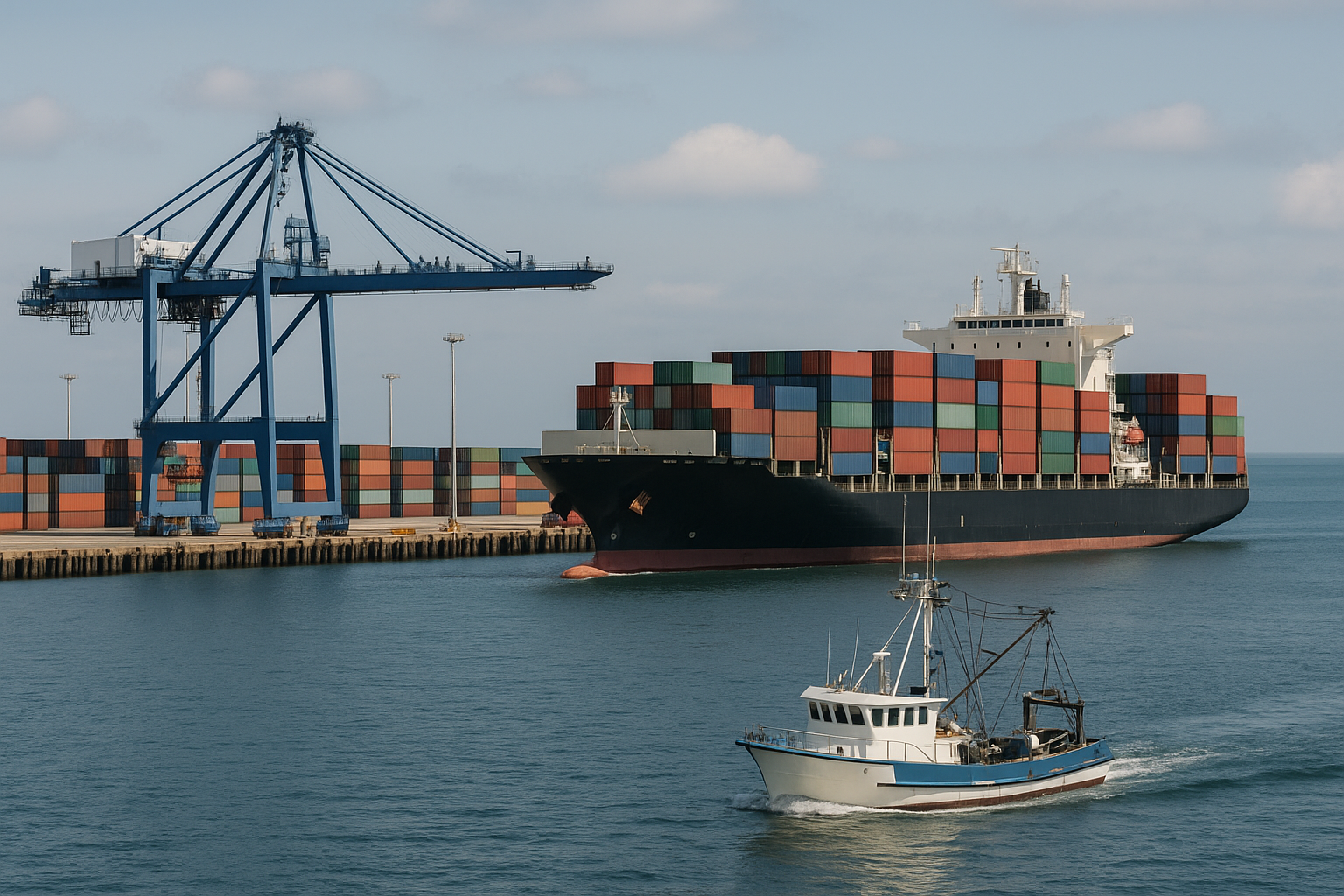
Fisheries represent Tuvalu’s most critical natural asset, contributing significantly to government revenue, employment, and food supply.
- Country:
- New Zealand
New Zealand has reinforced its strategic commitment to Pacific development and climate resilience, announcing additional funding for the Tuvalu Fisheries Support Programme (TFSP) during high-level talks in Auckland between Foreign Minister Winston Peters and Tuvalu's Prime Minister, Hon Feleti Teo.
The renewed investment underscores Wellington's long-standing role as a key development partner in the Pacific, with fisheries at the centre of economic stability, food security, and climate adaptation for small island nations like Tuvalu.
Strengthening a Decade-Long Partnership
New Zealand has supported the TFSP for over ten years, contributing to institutional capacity-building, sustainable fisheries management, and economic resilience in Tuvalu—one of the world's most climate-vulnerable nations.
"New Zealand is proud to support Tuvalu in strengthening its fisheries sector. We value our close relationship and look forward to continuing this important collaboration in the years ahead," Mr Peters said following the meeting.
The latest funding package builds on this foundation, aiming to enhance Tuvalu's ability to manage its marine resources more effectively while adapting to intensifying environmental pressures.
Fisheries: The Backbone of Tuvalu's Economy
Fisheries represent Tuvalu's most critical natural asset, contributing significantly to government revenue, employment, and food supply. With limited land resources and increasing exposure to sea-level rise, the country's economic future is closely tied to the sustainable management of its ocean territory.
Through the TFSP, New Zealand has helped Tuvalu:
-
Strengthen fisheries governance and regulatory systems
-
Improve monitoring, control, and surveillance of fishing activities
-
Enhance local workforce skills and institutional capacity
-
Support community-level fisheries initiatives
These interventions are essential for ensuring that Tuvalu can maximise the economic returns from its fisheries while preserving marine ecosystems for future generations.
Addressing Climate Vulnerability Through Targeted Support
Tuvalu faces acute climate-related challenges, including rising sea levels, coastal erosion, and shifting marine ecosystems—all of which directly impact fisheries productivity and livelihoods.
The additional funding is expected to support:
-
Climate-resilient fisheries management practices
-
Adaptation strategies for coastal and marine ecosystems
-
Community resilience initiatives in vulnerable island areas
-
Data-driven decision-making to respond to environmental changes
"New Zealand stands with Tuvalu as a trusted partner," Mr Peters said. "This additional investment is part of our commitment to supporting Pacific resilience, security and sustainable development."
A Strategic Investment in Regional Stability
The funding is drawn from New Zealand's International Development Cooperation programme, reflecting a broader geopolitical and economic strategy to strengthen partnerships across the Pacific.
Beyond development outcomes, fisheries cooperation also plays a role in:
-
Enhancing regional maritime security
-
Combating illegal, unreported, and unregulated (IUU) fishing
-
Promoting sustainable ocean governance
-
Supporting rules-based resource management
For Tuvalu, improved fisheries management translates into greater sovereignty over its exclusive economic zone (EEZ), which spans hundreds of thousands of square kilometres despite the nation's small landmass.
Supporting Long-Term Economic and Food Security
The TFSP is designed not only to improve current fisheries performance but also to secure long-term benefits for Tuvalu's population.
By investing in sustainable practices and institutional strength, the programme aims to ensure:
-
Stable government revenues from fisheries licensing
-
Reliable access to protein-rich food sources
-
Greater resilience against external economic and environmental shocks
Mr Peters emphasised that fisheries remain central to Tuvalu's development trajectory, describing them as "its most important natural resource."
Deepening Pacific Ties Amid Global Challenges
The announcement comes at a time of increasing international focus on the Pacific region, where climate change, resource competition, and strategic interests are converging.
New Zealand's continued investment signals its intention to remain a reliable and long-term partner in the region, prioritising cooperation over competition.
The meeting between Peters and Prime Minister Teo also reflects strengthening diplomatic engagement, with both nations reaffirming shared priorities around sustainability, resilience, and inclusive growth.
Looking Ahead
While the exact funding amount has not been publicly disclosed, the expansion of support is expected to accelerate progress under the TFSP and open avenues for further collaboration in areas such as marine conservation, blue economy development, and climate adaptation.
As Pacific nations navigate an increasingly complex set of challenges, initiatives like the Tuvalu Fisheries Support Programme highlight the importance of sustained partnerships and targeted investments.
For Tuvalu, the continued backing from New Zealand provides not just financial support, but a pathway toward a more secure, resilient, and sustainable future.








 Google News