



SA Police Chief Charged in Procurement Case; Ramaphosa Assures Stability in SAPS
President Cyril Ramaphosa acknowledged the decision and confirmed that the matter will be handled strictly in accordance with the law, as Masemola prepares to appear in court on 21 April 2026.
- Country:
- South Africa
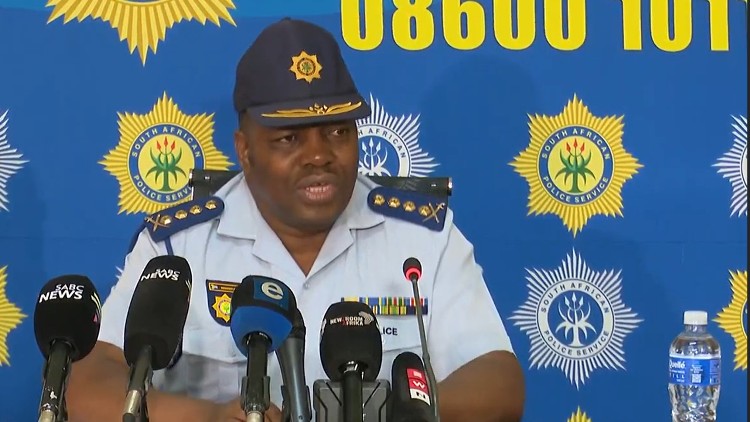
South Africa's law enforcement leadership has come under fresh scrutiny after the National Prosecuting Authority (NPA) moved to charge National Police Commissioner General Fannie Masemola in connection with a procurement-related case, marking a significant development in ongoing efforts to tackle corruption within the police service.
President Cyril Ramaphosa acknowledged the decision and confirmed that the matter will be handled strictly in accordance with the law, as Masemola prepares to appear in court on 21 April 2026.
Procurement Case at the Centre of Controversy
The charges relate to the Medicare 24 procurement tender, according to the South African Police Service (SAPS).
The development comes alongside the arrest of 12 senior police officers, indicating the scale and seriousness of the investigation into alleged irregularities in procurement processes within SAPS.
Such cases have long been identified as high-risk areas for corruption, particularly in large public sector contracts involving critical services.
President Emphasises Rule of Law and Institutional Stability
In an official statement, the Presidency stressed that:
-
The matter will be addressed in line with legal procedures
-
The government remains committed to ensuring stability within SAPS
-
Law enforcement operations will continue without disruption
"President Ramaphosa, working together with the Minister of Police, is committed to ensuring that the SAPS remains stable and able to continue fulfilling its policing mandate," the statement said.
Leadership Under Pressure Amid Reform Push
Masemola, appointed as National Police Commissioner in 2022, was tasked with:
-
Strengthening crime-fighting capabilities
-
Restoring public trust in policing institutions
The charges now place additional pressure on leadership at a time when South Africa is grappling with:
-
High crime rates
-
Public concerns over policing effectiveness
-
Persistent allegations of corruption within state institutions
Broader Context: Anti-Corruption Drive and State Capture Legacy
The case comes against the backdrop of South Africa's broader efforts to:
-
Combat corruption linked to procurement systems
-
Address the legacy of state capture
-
Strengthen oversight and accountability mechanisms
Government reforms in recent years have focused on:
-
Enhancing transparency in public procurement
-
Strengthening investigative and prosecutorial capacity
-
Holding senior officials accountable
Implications for SAPS and Public Confidence
The involvement of top leadership in a legal case raises key concerns:
-
Operational continuity: Ensuring policing services remain unaffected
-
Institutional credibility: Maintaining public trust in law enforcement
-
Governance reforms: Accelerating internal accountability measures
Experts note that how the government handles this case will be critical in determining whether reform efforts translate into real accountability at the highest levels.
The Bigger Picture
While the charges represent a serious challenge for SAPS leadership, they also signal a functioning accountability system where even senior officials are subject to legal scrutiny.
As the case proceeds, attention will remain on:
-
The integrity of the judicial process
-
Government's commitment to reform
-
The impact on policing and public trust
ALSO READ
-
Unmasking the Shadows: Corruption Crackdown in South Africa's Police Force
-
Proteas Triumph: South Africa Overcomes New Zealand in T20I Series
-
Connor Esterhuizen's Heroics Propel South Africa to Victory in T20 Series
-
Esterhuizen's Electrifying Knock Secures Series Win for South Africa
-
Sweeping Arrests of South African Police Officers Expose Deep Corruption








 Google News