



SA Auditor-General Flags Weak Accountability as Only 151 of 417 Public Entities Achieve Clean Audits
Maluleke noted that weak governance in these sectors directly impacts the quality of public services delivered to citizens.
- Country:
- South Africa
South Africa's Auditor-General has sounded a strong warning over persistent governance failures across the public sector, even as targeted interventions begin to show measurable results in curbing financial losses and improving service delivery.
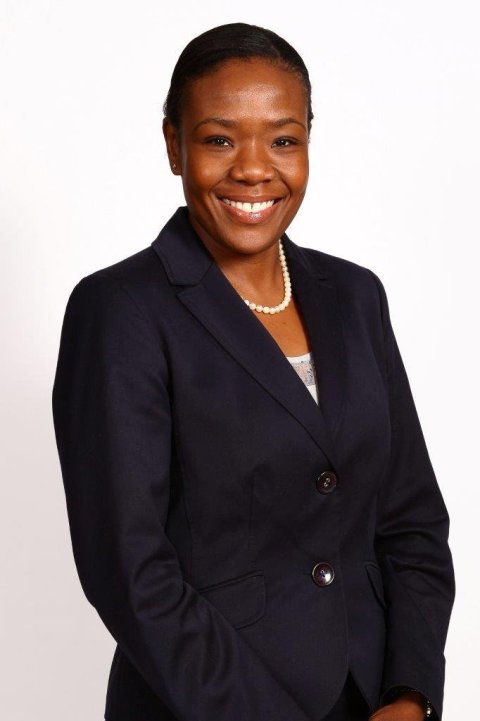
Presenting the 2024–25 General Report in Pretoria, Auditor-General Tsakani Maluleke said progress remains limited in the first year of the country's 7th administration, with only 151 out of 417 auditees achieving clean audits—a figure that underscores deep-rooted systemic challenges.
Majority of Public Spending Managed by Underperforming Entities
The report reveals a concerning trend:
-
266 auditees failed to achieve clean audits
-
These entities account for a staggering 88% of total government expenditure
Many of these are high-impact institutions responsible for critical sectors such as:
-
Healthcare
-
Education
-
Infrastructure
-
Energy
Despite controlling large budgets, these institutions continue to struggle with:
-
Credible financial reporting
-
Compliance with legislation
-
Effective performance management
Maluleke noted that weak governance in these sectors directly impacts the quality of public services delivered to citizens.
Regression in Key Institutions Raises Concerns
The report also highlights backsliding in audit outcomes:
-
45 auditees showed regression, including several major entities overseeing hundreds of billions of rand
This trend signals that earlier gains in governance and financial discipline are not being consistently sustained.
Material Irregularity Process Shows Tangible Impact
Despite widespread challenges, the report points to clear successes under the Material Irregularity (MI) process, a strengthened audit mechanism aimed at enforcing accountability.
Key outcomes include:
-
R2.41 billion in financial losses prevented or recovered
-
Improved utilisation of public assets, including:
-
Reopening of underutilised health facilities
-
Conversion of idle buses into mobile libraries
-
These examples demonstrate how targeted oversight and corrective action can translate into real improvements in service delivery.
Signs of Improvement in Wasteful Spending
The report notes a decline in irregular and wasteful expenditure compared to the previous year, indicating that:
-
Stronger controls
-
Increased awareness
-
Enhanced monitoring
are beginning to yield results.
However, Maluleke cautioned that these gains remain fragile and require consistent enforcement and leadership commitment.
Core Issue: Weak Implementation, Not Lack of Resources
A key finding of the report is that South Africa's governance challenges are not primarily due to insufficient funding or inadequate legislation, but rather:
-
Inconsistent implementation of policies
-
Weak accountability mechanisms
-
Poor oversight and leadership gaps
"Addressing these root causes is essential to improving outcomes for citizens," Maluleke stressed.
Persistent Challenges Across the System
The report identifies ongoing structural issues, including:
-
Non-compliance with legal frameworks
-
Procurement irregularities
-
Infrastructure project delays
-
Weak internal controls
These systemic inefficiencies continue to undermine the effectiveness of public spending.
Call for Leadership Accountability and Institutional Reform
Maluleke called on government leaders to:
-
Strengthen institutional capacity
-
Foster a culture of performance and ethical leadership
-
Enhance oversight mechanisms
She emphasized that the progress achieved through the MI process proves that reform is achievable when accountability is enforced.
The Bigger Picture: Reform Within Reach
While the report paints a sobering picture of governance challenges, it also offers a pathway forward:
-
Demonstrated success of targeted interventions
-
Improved financial discipline in certain areas
-
Clear identification of systemic weaknesses
The Auditor-General reaffirmed her office's commitment to supporting reform through enhanced audit powers and oversight mechanisms, with the ultimate goal of ensuring that public resources are used effectively to improve citizens' lives.
ALSO READ
-
Unmasking the Shadows: Corruption Crackdown in South Africa's Police Force
-
Proteas Triumph: South Africa Overcomes New Zealand in T20I Series
-
Connor Esterhuizen's Heroics Propel South Africa to Victory in T20 Series
-
Esterhuizen's Electrifying Knock Secures Series Win for South Africa
-
Sweeping Arrests of South African Police Officers Expose Deep Corruption








 Google News