



Ghana Leads U.N. Resolution on Transatlantic Slavery Reparations
Ghana's resolution at the United Nations declaring transatlantic slavery the 'gravest crime against humanity' passed despite opposition from the U.S. and Europe. It calls for reparations and has sparked debate on accountability for historical injustices. The resolution is politically significant yet non-binding, urging dialogue on reparatory actions.
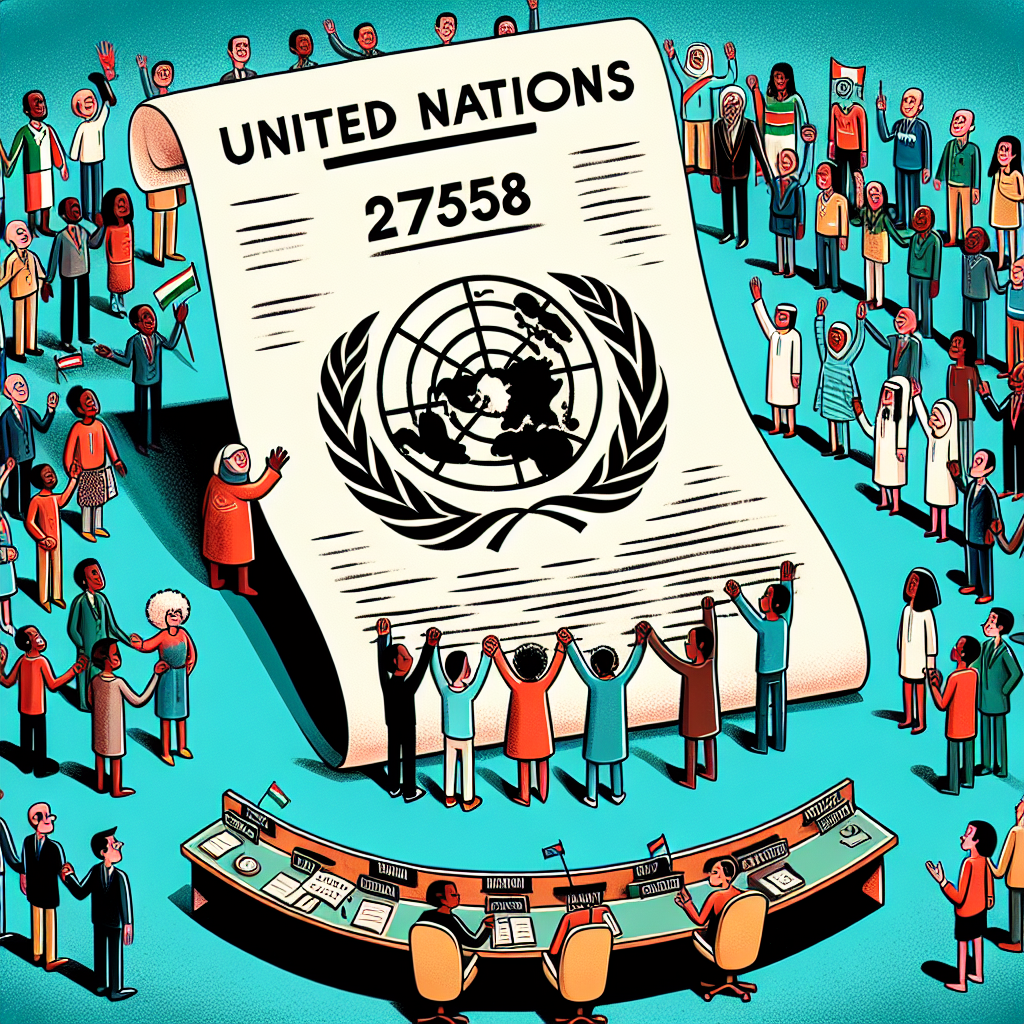
The United Nations, facing historical reckoning, adopted a resolution introduced by Ghana to recognize transatlantic slavery as humanity's gravest crime. The resolution, aimed at redressing this dark chapter, advocates for reparations and was voted on by 123 countries, though not without resistance, notably from the United States and European entities.
Significantly, the resolution is non-binding but politically charged, marking unprecedented progress in global discourse on slavery's legacy. With Ghana at the helm, this moment represents a crucial step in acknowledging the persistent impact of historical atrocities on present-day racial inequalities.
Persistent reparation calls have gained traction against a backdrop of conflicting views. Critics warn of the resolution's potential for an unintended hierarchy of crimes. Nonetheless, Ghana, with support from African and Caribbean nations, is committed to furthering this agenda, hinting at possible future initiatives to establish an international reparations tribunal.








 Google News