



SA Prioritises Water Security and Economic Transformation Amid Service Delivery Challenges
To address these issues, metropolitan municipalities are now developing water and sanitation turnaround strategies under the Metro Trading Services Reform Programme.
- Country:
- South Africa
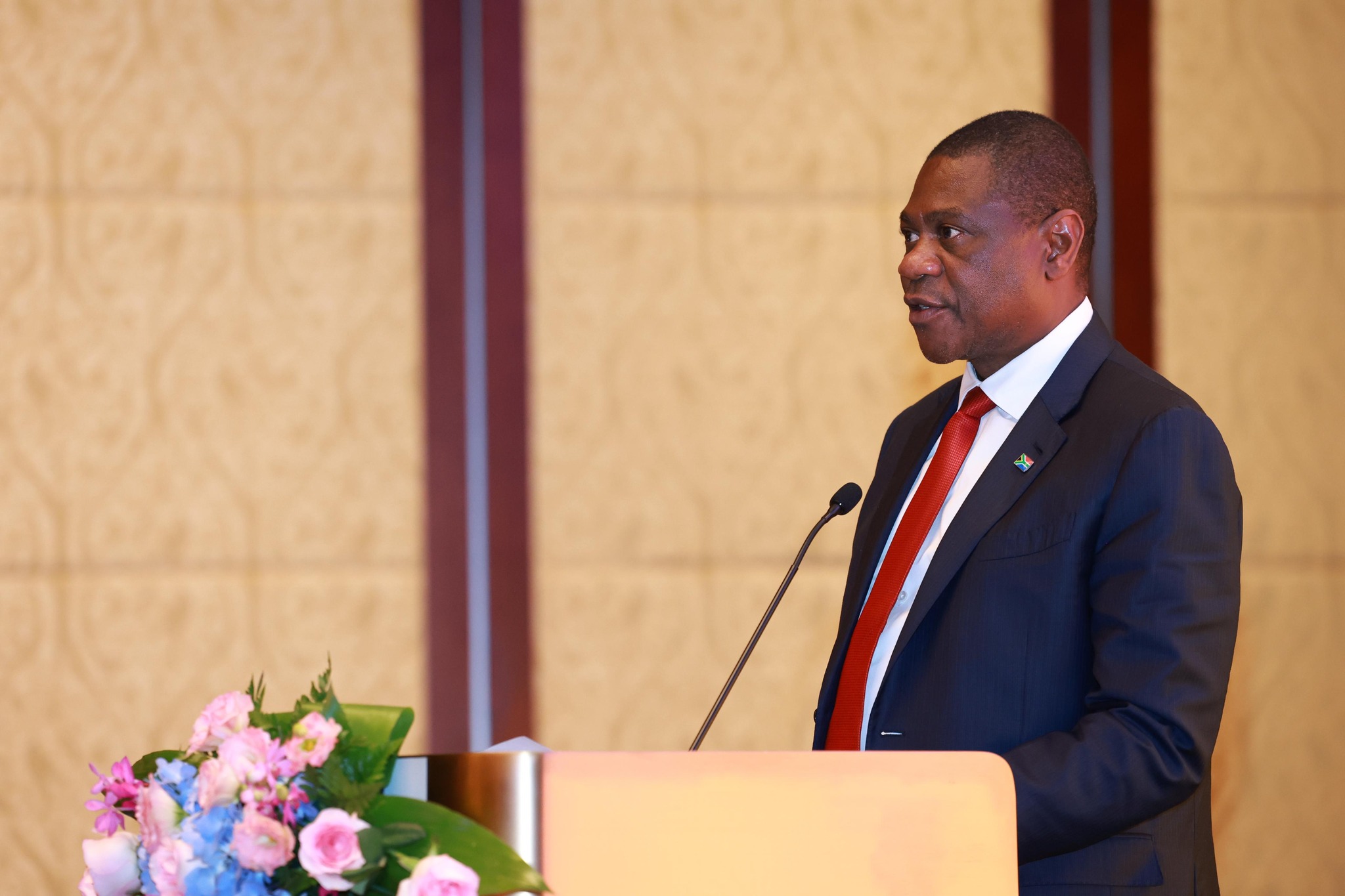
Deputy President Paul Mashatile has reaffirmed the government's commitment to ensuring reliable and equitable access to water, as South Africa continues to grapple with supply disruptions driven by infrastructure failures and municipal inefficiencies.
Responding to questions in the National Assembly, Mashatile outlined a series of immediate and long-term interventions aimed at stabilising water supply systems and improving service delivery across provinces.
Leakages, Infrastructure Failures at Core of Water Crisis
Highlighting systemic challenges, the Deputy President pointed to:
-
Widespread water losses due to leaks
-
Ageing and poorly maintained infrastructure
-
Weak municipal capacity, particularly in water distribution
"We lose a lot of clean water through leakages… ensuring reliable bulk supply is critical, but the challenge remains at the municipal reticulation level," he said.
He stressed that while bulk water supply is improving, the key bottleneck lies in delivering water from reservoirs to households and businesses.
Focus on Municipal Turnaround and Infrastructure Investment
To address these issues, metropolitan municipalities are now developing water and sanitation turnaround strategies under the Metro Trading Services Reform Programme.
A key reform includes:
-
Ringfencing revenue from water services to reinvest in infrastructure maintenance and upgrades
This initiative is linked to the R100 billion performance-based incentive grant introduced by National Treasury to improve delivery of essential services, including water, electricity, sanitation, and waste management.
Gauteng Gets Boost with Increased Water Allocation
In a major intervention for Gauteng, the government has approved:
-
An additional 200 megalitres water use licence for Rand Water, enabling increased extraction and treatment capacity
This is expected to help stabilise supply to municipalities and improve delivery to end users.
Short-Term Relief and Long-Term Solutions
To tackle immediate supply issues, the government is implementing:
-
Commissioning of the Brixton Reservoir
-
Deployment of water tankers
For long-term sustainability:
-
Development of the 20 million litre Carlswald Reservoir
-
Expansion of Rand Water's capacity
These measures are complemented by leak repairs and stricter water use enforcement.
Ensuring Water as a Basic Right
Mashatile reiterated that access to water is both a constitutional right and a matter of dignity, underscoring the government's commitment to ensuring every household has reliable access.
BBBEE Remains Central to Economic Transformation
Beyond water, the Deputy President strongly defended Broad-Based Black Economic Empowerment (B-BBEE) as a cornerstone of South Africa's transformation agenda.
"Abandoning BBBEE would mean abandoning transformation itself," he said.
Two-Phase Review to Strengthen BBBEE
The government has initiated a comprehensive review of the B-BBEE framework, led by the Minister of Trade, Industry and Competition.
The review will proceed in two phases:
Short-Term Review
-
Address implementation gaps
-
Improve compliance and enforcement
Long-Term Review
-
Reimagine economic transformation strategies
-
Strengthen alignment with industrial policy and growth objectives
Key focus areas include:
-
Enhancing effectiveness of BBBEE implementation
-
Setting clear timelines for transformation milestones
-
Linking BBBEE with broader economic growth strategies
Balancing Service Delivery and Economic Reform
The government's dual focus on water security and economic transformation reflects broader efforts to stabilise service delivery while advancing inclusive growth.
Officials emphasised that improving infrastructure and ensuring equitable economic participation are both critical to long-term national development.








 Google News